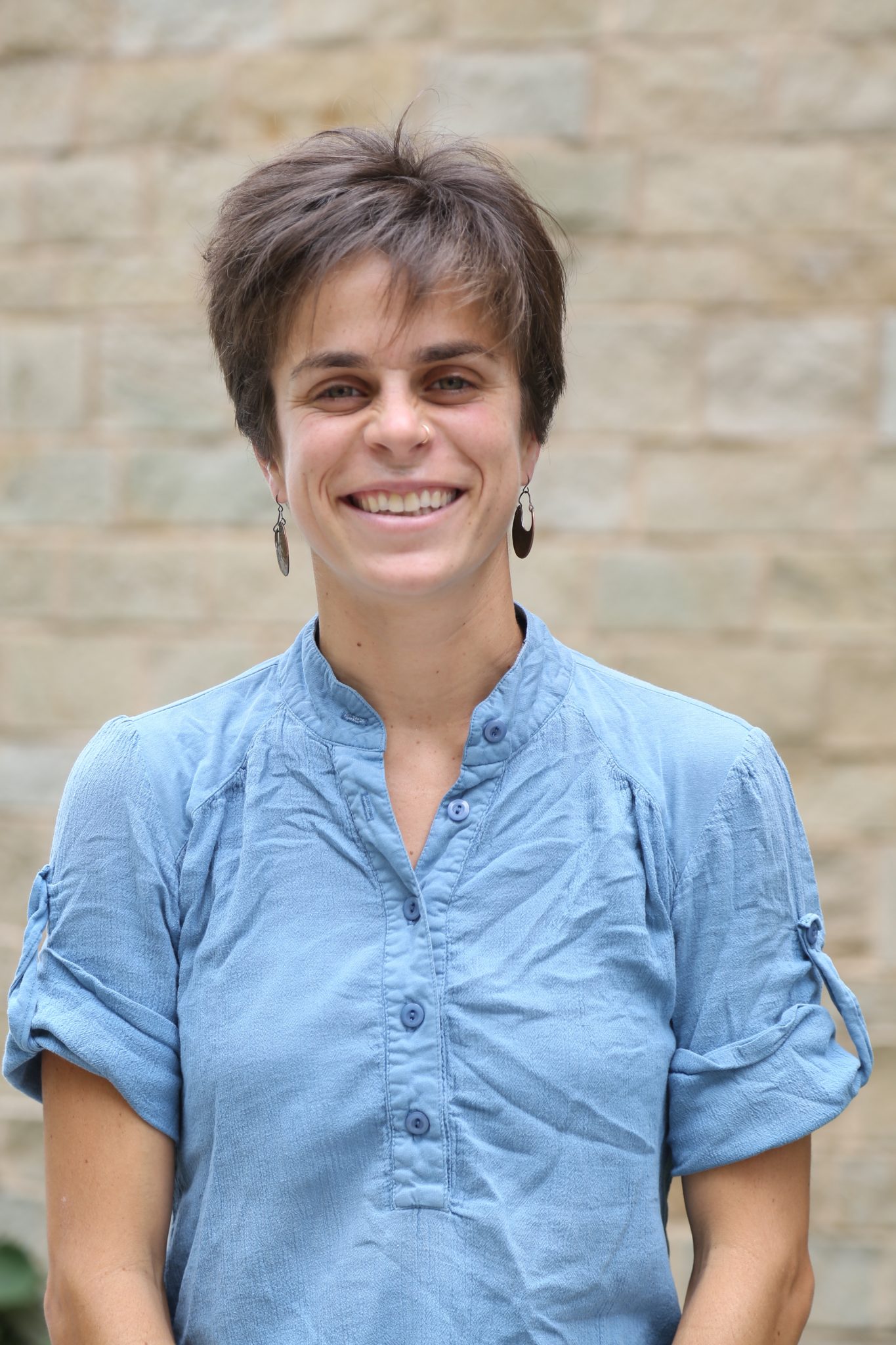
Caroline Scanlan is the new urban and community forestry program coordinator at the Division of Forest Environment for the R.I. Department of Environmental Management. She is coordinating a program that distributes 1-gallon tree saplings to homeowners through a partnership with the Arbor Day Foundation.
Scanlan is a graduate of Yale University’s School of Forestry and Environmental Studies and received her master’s degree in May. She previously worked as a community forester and street tree-planting crew supervisor at an urban forestry nonprofit in New Haven, Conn.
Selling Luxury Real Estate Requires More Than Exposure
By Emilio DiSpirito IV License Partner | Private Office Advisor Engel & Völkers Oceanside www.DiSpiritoteam.com…
Learn More
PBN: What species are available through the Energy-Saving Trees Program and how many are being distributed?
SCANLAN: There are 1,200 trees being sent out this week, but we will repeat the program this spring. The trees that were available to homeowners this fall were the black gum tree, the tupelo tree, river birch and service berry. They’re all native to the Northeast.
PBN: Why were these trees chosen for distribution? Do they grow quickly?
SCANLAN: They all grow at different growth rates and will reach different sizes. The black gum and the tupelo, for example, will be larger at maturity. The river birch and service berry will be of smaller stature. Different homeowners can choose what’s going to [work] best for their property.
PBN: How do people know where to plant them to get the shade benefit without damaging their foundation?
SCANLAN: The energy-savings program is a partnership with the Arbor Day Foundation. The foundation has a website set up where you can actually look at a satellite image of your yard and place the tree in different parts of your yard to see, at maturity, where it’s going to be providing the maximum benefits. Go to energysavingtrees.arborday.org.
PBN: The idea is that you may not recoup the energy benefit for a while. This is for future generations?
SCANLAN: It’s long-term planning, but the energy benefits increase every year. Certain trees, like the tupelo, are pretty fast-growing. Even after 10 years you are going to be seeing benefits.
PBN: Are there particular areas in Rhode Island that are most in need of tree coverage?
SCANLAN: No matter where Rhode Islanders live within the state, their home or business may benefit from the new energy savings associated with increased shade in the summer and wind protection in the winter.
With that said, citizens of many of Rhode Island’s highest-density cities may especially benefit from the additional impacts that increased tree-canopy cover provides to the whole neighborhood – not just the energy and cost-saving benefits afforded to individual residents, but also the street cooling, stormwater runoff reduction, air purification, carbon capture and beautification benefits that positively impact the community at large.
Based on our records from the fall 2018 yard-tree giveaway, it looks like the Rhode Island zip codes with the top 10 highest population densities received about 10 percent of the 1,200 free trees. There is certainly an opportunity for more property owners and residents from these areas to take advantage of the Energy-Saving Trees Program in future giveaways.
Mary MacDonald is a staff writer for the PBN. Contact her at macdonald@pbn.com.