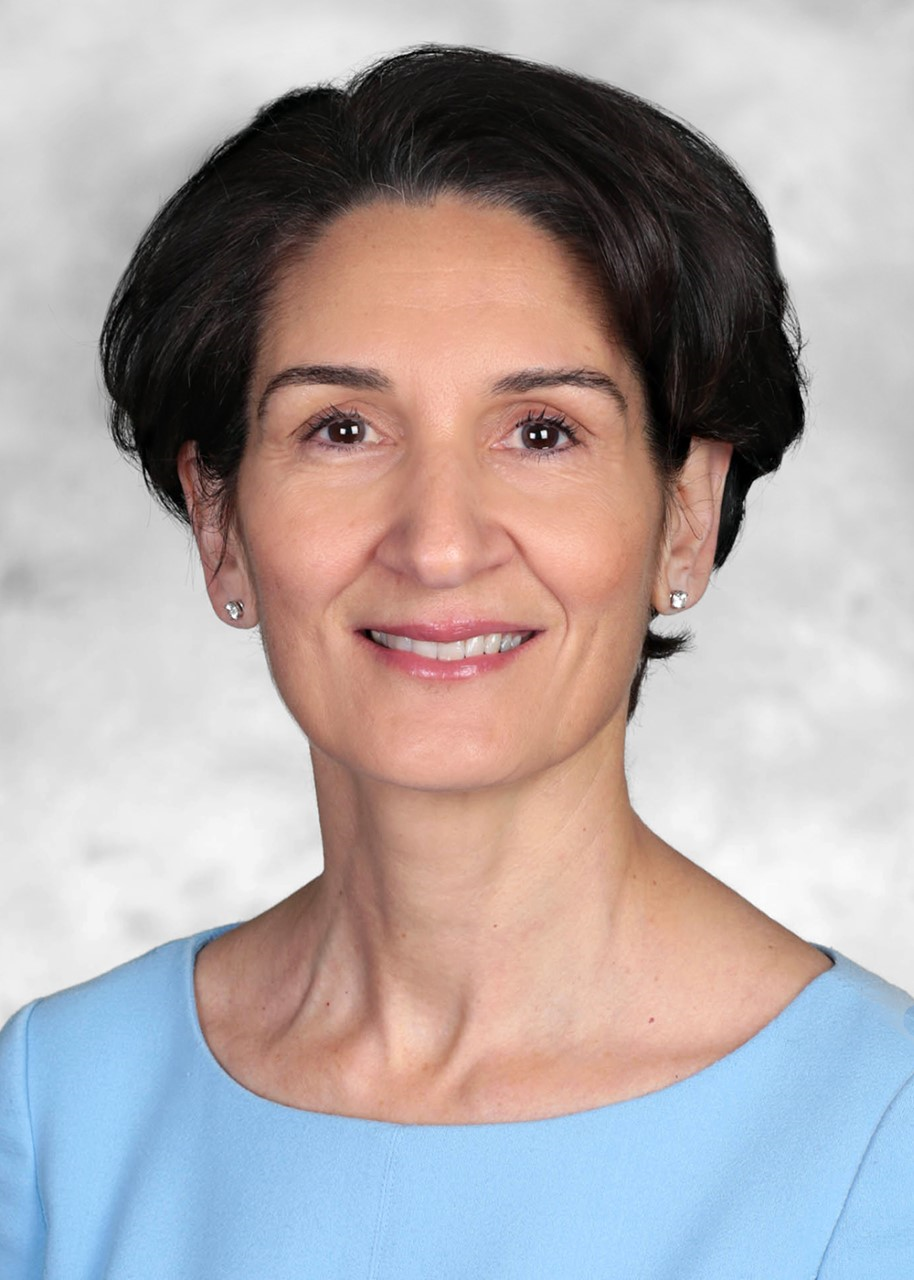
Dr. Athena Poppas is director of the Lifespan Cardiovascular Institute at Rhode Island, The Miriam and Newport hospitals and a professor of medicine at The Warren Alpert Medical School of Brown University.
On March 30, she was named president of the American College of Cardiology, an organization Poppas has been a member of for more than 20 years.
Building a Strong Data Foundation in the Age of AI
Artificial intelligence (AI) has become a key priority in the boardroom and across management —…
Learn More
PBN: As president of the American College of Cardiology, what are your responsibilities?
POPPAS: As president, I am the leader of a 52,000-member international organization, and chairperson of the board of trustees, a 14-member governance body setting strategy for the ACC. The college’s goal is to be nimble, strategic, accountable and inclusive of the diverse needs of the global cardiovascular community and our patients.
I will lead continuing efforts to promote science and quality, education and health care advocacy. This work includes real-time resources for our cardiovascular team, such as scientific guidelines, clinical care pathways and toolkits, [and] leadership training.
PBN: Are there any specific priorities you’d like to pursue during your time as president?
POPPAS: As with everything today, my priorities will be refined according to the environment in which we’re living. But these themes remain – I’m particularly focused on continuing to expand our efforts in diversity and inclusion, clinician well-being and global expansion of education, science and quality.
The ACC’s overarching purpose is supporting its members in providing patients with high-quality care, domestically and internationally. We work with individual providers and with health care systems alike to support a team-based approach to care.
In this era of COVID-19, our work will include keeping patients and providers safe, and delivering cardiovascular care to those who need it. We will advocate for practice, policy and law that support the needs in our new reality – adequate PPE [personal protective equipment], appropriate use of and reimbursement for telehealth visits, access to testing and equity in access to quality care.
PBN: How long have you been practicing, and what are your specialties?
POPPAS: I have been practicing for 25 years, with time spent in Chicago and then in Boston; I’ve been with Lifespan for more than 20 years. I specialize in valvular heart disease and heart disease in women, particularly during pregnancy. My research interests include those, along with echocardiography with new technologies and applications, and heart disease in women and the elderly.
PBN: What impact has the COVID-19 pandemic had on your practice? Has worry over exposure to the virus at health care facilities kept any patients in need of care away?
POPPAS: In the last few months, as with every medical specialty, we’ve had to examine and adapt so much of what we do to keep our patients safe and well. For instance, we’ve rapidly adopted and introduced telehealth options for patients while maintaining an open office with social distancing for those who need in-person care.
In the hospital setting, we’re testing every patient for COVID-19 to safely, and importantly, separately care for those with and without the virus. Also, we’re collaborating with colleagues who are managing COVID-19 patients who might have an existing heart condition or have developed cardiovascular issues as a result of their illness.
Locally and nationally, we’ve seen a concerning decrease in those presenting at hospital emergency departments with heart attacks but an increase in patients who are arriving to us later in their event, and therefore sicker. This makes for a more grave prognosis – long-term disability, lesser quality of life and lower survival rates.
We need people to understand that it is not only very safe to come to the hospital; it is vital to seek care in a timely way if you think you may be having a heart attack, a stroke, or another medical emergency. We’re equipped to keep you safe and well, and we can best help you if you get to us sooner.
PBN: What would you like patients or potential patients to know about the Lifespan Cardiovascular Institute?
POPPAS: We in Rhode Island have remarkably high-quality, expert cardiovascular care so close to home. That’s something I’ve always known, but from the vantage point of national leadership it’s become ever more evident to me. Our physicians, advanced practice providers and nurses are some of the best in the country, and leading the way nationally on the latest technology, innovation and standards of quality care. We are lucky to have expert, compassionate care in our backyards.
Elizabeth Graham is a PBN staff writer. She can be reached at Graham@PBN.com.