
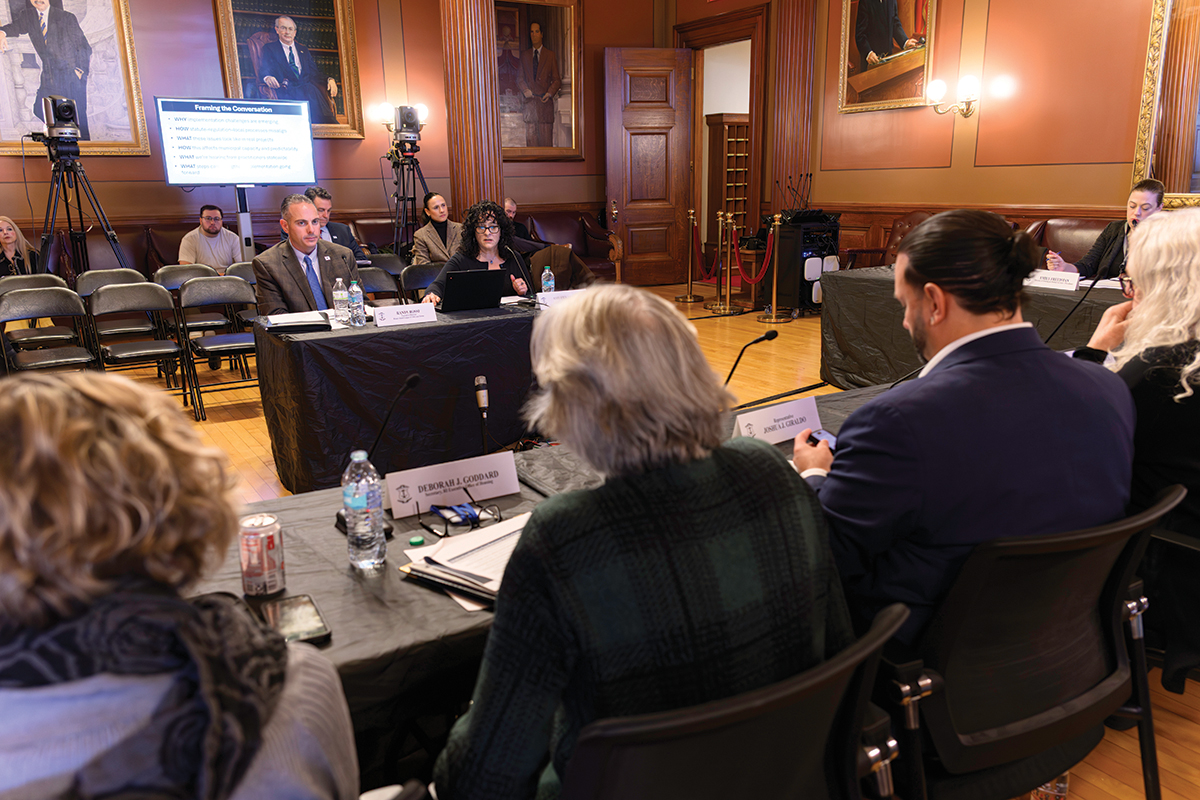
Compared to last year, the $101 million fiscal 2027 shortfall facing state lawmakers as they return to work this month may be cause for some relief but not celebration. Gov. Daniel J. McKee and the General Assembly last year managed to work through a projected $330 million deficit. This year’s challenge has not elicited the
Already a Subscriber? Log in
To Continue Reading This Article
Become a Providence Business News subscriber and get immediate access to all of our premier content and much more.Learn More and Become a Subscriber
- Critical RI business news and analysis updated daily.
- 1 year of print (26 issues).
- Unlimited access to all subscriber only content on our website, on any device.
- Free email alerts.
- Annual Book of Lists Print Edition.
- All special issues produced during subscription term.
Click Here to purchase a paywall bypass link for this article
PBN Branded Content
Building a Strong Data Foundation in the Age of AI
Artificial intelligence (AI) has become a key priority in the boardroom and across management —…
Learn More











The present hospital crisis, i.e., the impending closures of St. Joseph and Roger Williams hospitals, is a direct result of “for profit” hospital systems investing not in healthcare, but the (potential) assets of the hospitals. They have “absorbed” the endowments, cut staff, and neglected the infrastructure while only concerned with immediate profits.
The closure of these hospitals would cause immediate harm to the remaining hospitals in the state, leave thousands of health care professionals without jobs, and jeopardize the health of all who utilize these facilities. The governor should declare a health care crisis and facilitate a takeover of these hospitals by Brown and/or Care NE as soon as possible.
Ernest A. Balasco, MSW
Healthcare Consultant