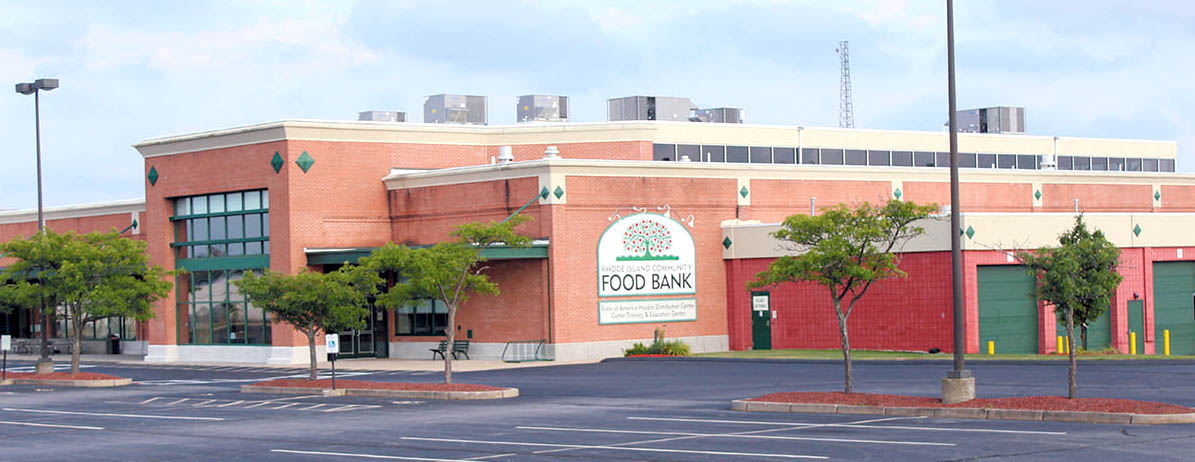
PROVIDENCE – Food insecurity within the state continues to be problematic, with communities of color facing the brunt of the impacts, according to the Rhode Island Community Food Bank’s 2024 Status Report on Hunger in Rhode Island released Monday.
The report states that 38% of all households within the state, close to 2 in 5, are considered food insecure – having difficulty affording adequate food. By comparison, the insecurity rate increased by nine percentage points
from last year, the food bank states, and worse than what it was in 2020 [25%] in a year when COVID-19 wreaked havoc on the world, Rhode Island notwithstanding.
The
six-page report states that due to rapid cost increases in rent, utilities, transportation, child care and health care, basic annual expenses for single parents with two children in the state reached $83,239. Also, 47% of Black households in Rhode Island are seeing food insecurity, while more than half of Latino households – 55% - are deemed food insecure.
Low-income Rhode Islanders also missed 42.2 million meals this past year, according to date from the 2023 U.S. Department of Labor Statistics’ Consumer Expenditure Survey published back in September, the report states. About 214 million meals were provided between the food bank, its member agencies and the federal food assistance programs last year, but 256.2 million meals were needed, per the report. In 2019, 11.3 million meals were missed in the state.
The food bank also served on average 84,400 individuals per month from January through September, the report says, which is a 9% increase from the previous year.
Various food programs still seek to address food insecurity. For example, the report states the state expanded access to free school breakfast and lunch meals to include more low-income students. The state’s $776,000 investment will allow approximately 6,200 more students to receive free meals at school, according to the report.
Also, the federal Summer Electronic Benefits Transfer program, also known as SUN Bucks, provides $120 per child to help acquire groceries for families enrolled in Supplemental Nutrition Assistance Program, Medicaid or other free-or-reduced-price school meals, the report states.
The report also notes that Congress must reauthorize the Farm Bill this year, which would help provide more food benefits to the 90,500 households in the state enrolled in SNAP. Failure to do so would only increase the meal gap in Rhode Island, the report says.
“Rhode Island, in its role as administrator of the federal nutrition programs, can do more to reduce barriers to enrollment. The goal should be to enroll every eligible Rhode Islander in SNAP, WIC, free school meals and Summer EBT,” the report said. “By improving access to these programs, the state will leverage substantial federal resources.
“Until we close the meal gap, thousands of Rhode Islanders will rely on the food bank’s network of food pantries and meal sites to feed their families each month. The governor [Daniel J. McKee] and the General Assembly must maintain state funding for the food bank to preserve our nutrition safety net and ensure that no one in Rhode Island goes hungry.”
(CORRECTION: The food insecurity rate has increased year to year by nine percentage points.)
James Bessette is the PBN special projects editor, and also covers the nonprofit and education sectors. You may reach him at Bessette@PBN.com. You may also follow him on X at @James_Bessette.