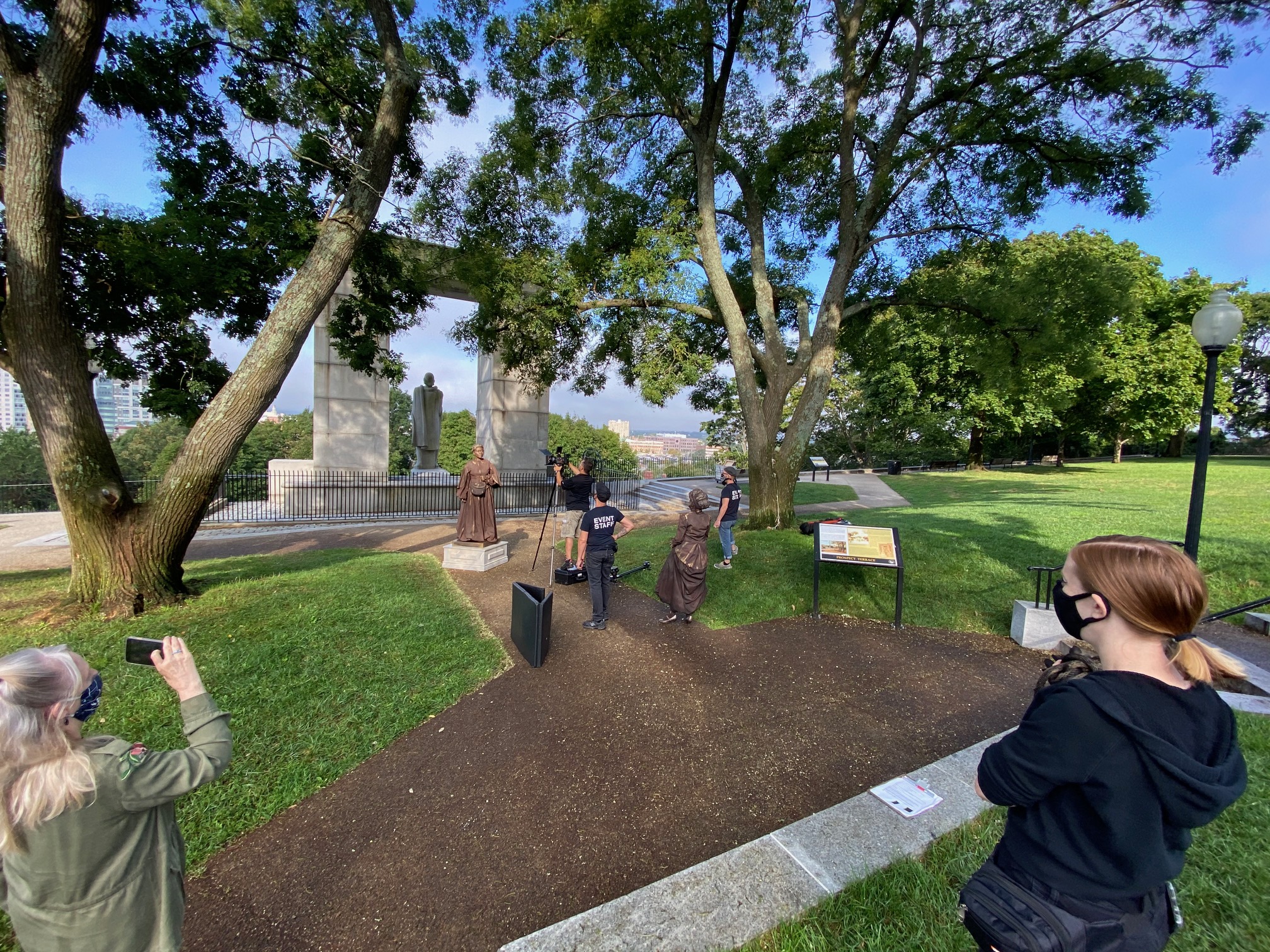
PAWTUCKET – Joe Pari has made a career out of bringing statues to life.
It started over two decades ago when the Burrillville native and his friend and business partner Eric Auger made their debut as the first living gargoyles at Waterfire Providence.
Building a Strong Data Foundation in the Age of AI
Artificial intelligence (AI) has become a key priority in the boardroom and across management —…
Learn More
Their passion for live performance art spawned a business, TEN31 Productions Inc., which up until the pandemic showcased its human art installations through events and festivals. With group gatherings off the table for the foreseeable future, Pari and his Pawtucket company are making the foray into film, combining artistry with a social justice call to action.
“Unalienable,” TEN31 Productions first film, brings to life three iconic figures representing the confederate, civil rights and suffrage movements with the intent to inspire reevaluation of public statues and symbols amid the current racial justice reckoning.
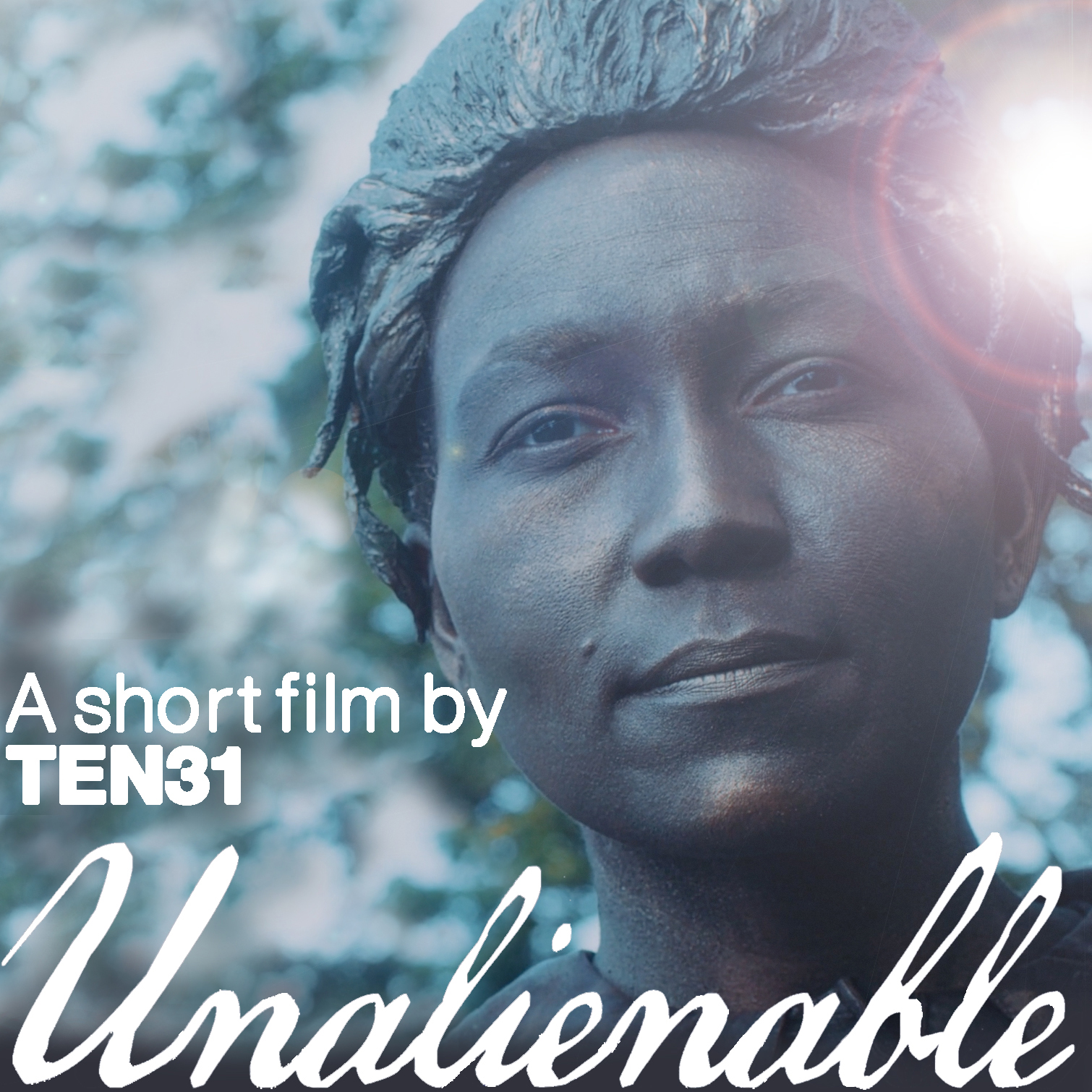
The three-minute silent film opens to the sounds of unpictured voices chanting “no justice, no peace.” Viewers watch as an actor dressed to resemble a statue of Ida B. Wells, an early civil rights activist, comes to life, striding down the street toward another living statue of Confederate general Robert E. Lee. Dramatic music plays as Wells joins with friend and fellow activist Virginia Brooks in dismantling the Lee statue before Wells takes her place on Lee’s pedestal, looking out as the Providence skyline frames her face. The film ends with the words “reunite, reexamine, reimagine,” followed by a message calling upon communities to examine their commemorative works.
Pari, who also serves in an advisory capacity on Providence’s Special Committee for the Review of Commemorative Works, drew his inspiration from his work on the committee as well as the Black Lives Matter movement that gained traction after the killing of George Floyd in 2020.
While Pari and his company had created short videos as marketing materials for their services, this was the first creative film he produced. All materials, equipment and even the time of the actors and videographer were donated, though Pari foresees film as a potential new revenue source for his company going forward.
“Putting that ‘first’ out there, for me, is like saying it won’t be the last,” Pari said, adding that the pandemic’s destruction of 90% of the company’s traditional business had a silver lining in giving him the time and motivation to pursue other creative mediums. “We would never have had time to do something like this before.”
For months, Pari crafted the vision, fine-tuning the symbolism of minute details such as close-up shots of women’s shoes shown marching down the street – a contrast to the military footwear worn by Lee’s statue. The thick, woven rope Wells removes from her bag to drag down the Lee statue is meant to be a lynching rope, representing a life she was unable to save through her anti-lynching crusade.
“We just love those details,” Pari said.
Filmed in the wee-morning hours on an overcast September morning in Providence’s Prospect Terrace, the fog lifted just in time for the final shot of Wells on the pedestal: the ultimate unplanned symbol of life meeting art.
“We all just looked at each other,” he said, recalling cast and crew’s astonishment at the timing of the sun’s emergence.
Ideally, Pari hoped the film would gain national attention, and inspire other cities and towns to follow Providence’s example by creating an organized, community-led process to review controversial statues and symbols, and consider new ones. The Special Committee on Commemorative Works has not yet made decisions regarding removal of any city statues, though a statue of Christopher Columbus that has been temporarily taken out of its public display awaiting a committee recommendation.
Pari personally favored keeping the statue in public view but with historical and educational context. He even would have preferred not cleaning off the red paint dumped on the statue during an act of vandalism several years ago, an “ugly beautiful” tangible representation of Columbus’ actions.
“Showing the history, that’s what I want to see,” he said.
For more information about the virtual release of “Unalienable” and to register to attend, visit TEN31’s YouTube Channel or website.
Nancy Lavin is a PBN staff writer. You may reach her at Lavin@PBN.com.