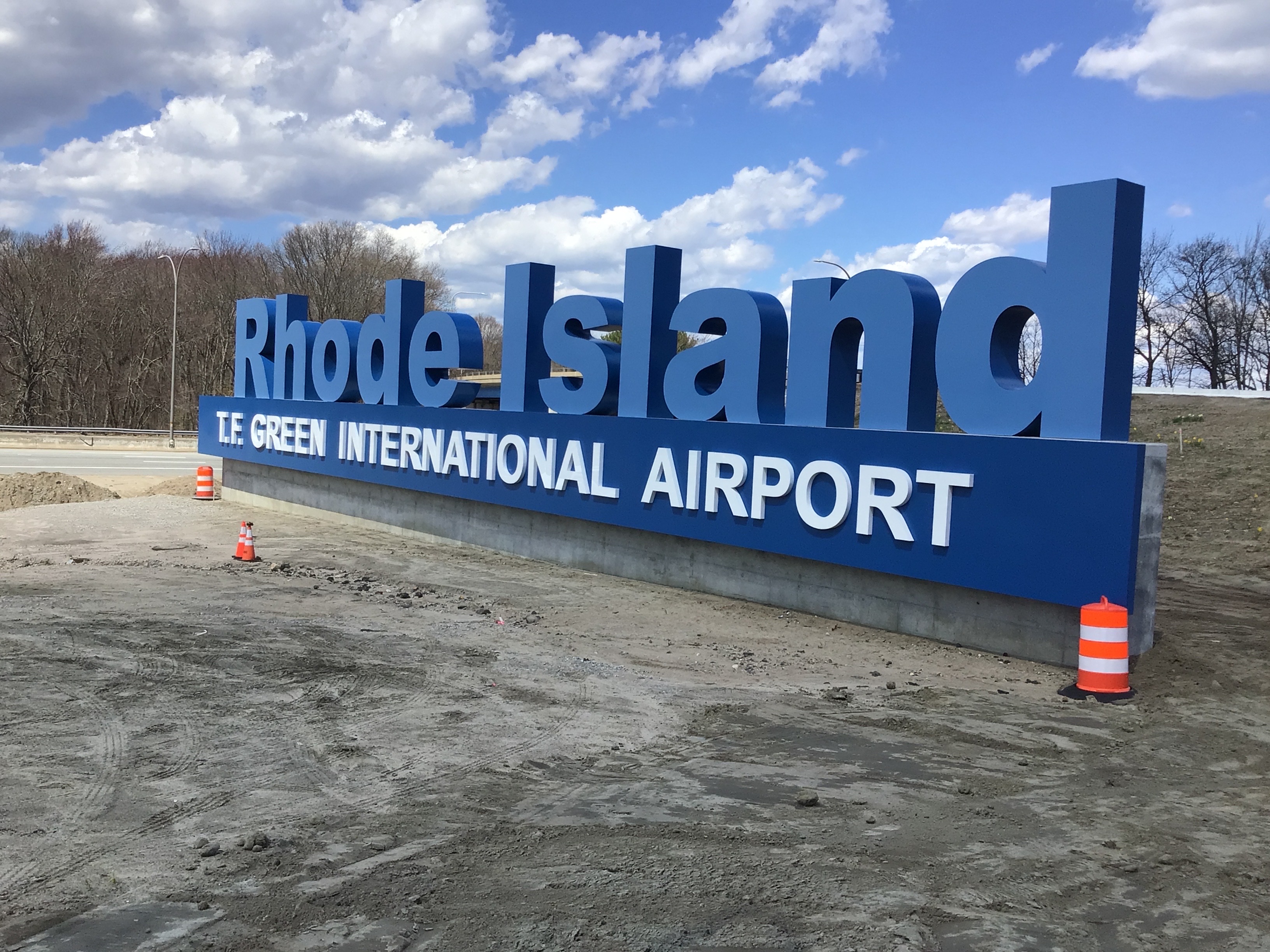
WARWICK – The Rhode Island Airport Corp. closed out 2025 with two high-profile financial endorsements, earning a state validation of its borrowing practices and a credit upgrade from Wall Street.
In December, the state's Public Finance Management Board confirmed in its annual Debt Affordability Study that RIAC, the quasi-public agency that owns and operates Rhode Island T.F. Green International Airport, remains well within recommended limits for quasi-public agencies, signaling that the authority’s capital spending and debt levels are sustainable.
The finding clears RIAC’s runway for continued infrastructure investment without overburdening its balance sheet.
Separately, Moody’s Investors Service upgraded RIAC’s General Airport Revenue Bonds from Baa1 (lower medium grade) to A3 (upper medium grade) with a stable outlook, marking the authority’s fifth credit rating upgrade in the past two years.
The improvement reflects strengthened financial performance, improved liquidity and continued recovery in passenger traffic, according to the rating agency.
“These two independent reviews tell the same story,” said Iftikhar Ahmad, CEO and president of RIAC. “We are investing and modernizing while protecting affordability for passengers, airlines, and taxpayers.”
The Public Finance Management Board found that RIAC’s debt service coverage stands at 2.69 times, well above the 1.5-times guideline, while debt per enplaned passenger sits at roughly $55, comfortably below the $100 ceiling. The board said the airport is in full compliance with all affordability metrics.
Meanwhile, Moody’s Investors Service highlighted RIAC’s strong fiscal discipline, improved operating performance, conservative financial practices, and effective management oversight in its upgrade, signaling confidence in the airport’s long-term stability.
Those findings mirror RIAC’s financial trajectory, Ahmad noted: the authority has reduced airport debt by roughly 40% since 2016, boosted liquidity more than 260% from $30.7 million to about $111 million, cut cost per enplanement by 36%, and improved debt service coverage from 2.14 times to 2.69 times.
“We do not view these results in a celebratory manner, but they are shared in the spirit of transparency,” Ahmad said. “They show RIAC is financially stable, well managed, and positioned to support Rhode Island’s tourism economy.”
Matthew McNulty is a PBN staff writer. He can be reached at McNulty@PBN.com or on X at @MattMcNultyNYC.