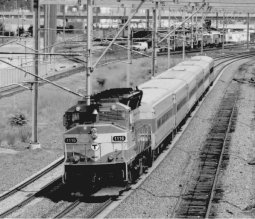
As expected, the cities of New Bedford and Fall River scored a major victory recently, when the top environmental overseer in Massachusetts gave the green light to a controversial rail line that would pass through a pristine wildlife area on its way to Boston from the two cities.
The decision by Secretary of Environmental Affairs Robert Durand to approve the Massachusetts Bay Transportation Authority’s environmental impact report allows—with several qualifications— the proposed Greenbush Line to run through the Hockomock Swamp, the state’s largest freshwater wetland, which is home to several threatened and endangered species.
The approval, which brings to an end seven years of environmental review, lifted the project over its highest hurdle.
“We’re thrilled. It’s about time,” said Roland Hebert, transportation planning manager with the Southeastern Regional Planning and Economic Development District. The group does economic and transportation planning for Southeastern Massachusetts.
The project is key for the two former mill cities in Southeastern Massachusetts. Business and government leaders in both cities say a commuter rail line to Boston would be a crucial piece of the puzzle in spurring economic growth and cultural revitalization in their cities. Fall River and New Bedford are the fifth and sixth largest cities in Massachusetts respectively, based on population.
But environmental watchdogs and residents of Bridgewater, Easton, Norton, Raynham, Taunton, and West Bridgewater say they still plan to prevent the rail line from being built. They say the trains will bring noise, vibration and pollution that will lower property values and disturb the delicate ecosystem of the Hockomock Swamp. Residents of Easton also say the rail line would pose a threat to the town’s aquifer, which rests below the Hockomock Swamp and supplies the town with water.
Durand created several requirements for the project, meant to protect the wildlife and water in the 16,950-acre Hockomock Swamp – most significantly, he is requiring the MBTA to build a two-mile long trestle through the swamp area. The trestle, estimated at $50 million, was originally deemed unnecessary by the MBTA, which wanted to build the rail line at ground level.
Durand is also requiring that the MBTA retrofit diesel locomotives to reduce emissions, and establish a task force to determine the line’s potential impact on communities along the route.
The project has a long way to go before construction can begin: MBTA must still get permits from the U.S. Environmental Protection Agency and the U.S. Army Corps of Engineers, and from the towns through which the rail would pass.
Environmentalists and residents in the towns still say they are still intent on preventing the rail line from being built.
“We’re very disappointed in Secretary Durand’s decision, but we’re not surprised,” said Kyla Bennett, director of the New England office of Public Employees for Environmental Responsibility, an association opposed to the proposed rail line through the Hockomock Swamp. “This is only one small hurdle that the MBTA has made it over. There are many more steps, and we’re going to be fighting them every step of the way.”
Bennett’s office and other groups and individuals in the towns have said in the past that they would sue the MBTA in a last ditch effort to stop the rail line from being built. the possibility of a lawsuit. Speaking last week, Bennett did not rule out the option.
“We are still looking at all of our options on that front. That’s definitely a possibility,” said Bennett.