PROVIDENCE – The Rhode Island Public Expenditures Council today released its analysis of the governor’s proposed budget for fiscal 2008, and called for the adoption of a package of changes it labeled a “Fiscal Get Well Plan” for Rhode Island.
The independent policy group condemned the FY2008 budget for continuing “a decade-long practice of structural deficits.”
Its expectation of $3.4 billion in general revenue is an increase of 6.2 percent over the current fiscal year’s budget as enacted, and 6.5 percent over the revised budget, RIPEC notes, a rate that nearly triples the current inflation rate of 2.2 percent. But “what should be of paramount concern,” the group said, are the rate of spending growth and the deficits anticipated in future years.
“The test of the fiscal soundness of any budget plan is whether ongoing resources are adequate to support current operations, whether current obligations are appropriately funded and revenue realistically projected, whether expenditure priorities are responsive to the needs of citizens, and … the out-year fiscal implications,” RIPEC said in its report.
Changes are needed, it said, “to eliminate out-year deficits, enable investments in programs that will improve Rhode Island’s economy and maintain the State’s credit-worthiness.”
RIPEC’s recommendations include:
Enacting a three- to five-year cap on state spending – perhaps limited to 1.5 percent above the increase in the U.S. Consumer Price Index (CPI).
Defining a “sustainable and affordable” safety net. The group questions Rhode Island’s level of state spending on cash assistance and Medicaid – third and fourth nationwide, it says – and suggests re-examining the state’s means-testing criteria.
Reducing reliance on one-time revenue. The budget’s $65 million of one-time revenue should be replaced with permanent income or savings, the group said, adding: “This will require modifying existing tax credits or tax expenditures that are not effectively addressing economic activity.”
Reorganizing the Medicaid and human services purchasing, management and delivery systems. Five human services agencies account for nearly 40 percent of the state budget RIPEC notes. Its report lists a number of areas where the group says significant savings can be achieved.
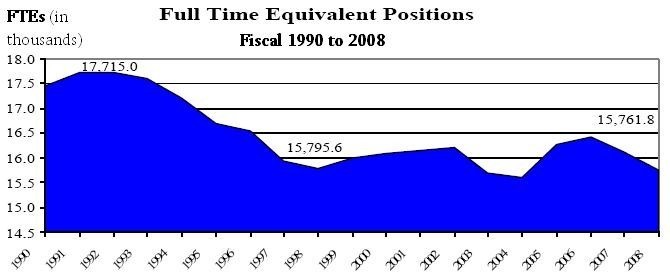
Redesigning the personnel system. “RIPEC urges decision-makers to create a personnel system that places greater emphasis on performance, review the classification system, explore the feasibility of a defined-contribution retirement plan … and renegotiate key aspects of existing collective bargaining agreements.”
The full, 26-page report can be viewed at ripec.org.