
Home Economy Entrepreneurship Everybody’s Business: Providing a calming touch for dogs

Everybody’s Business: Providing a calming touch for dogs

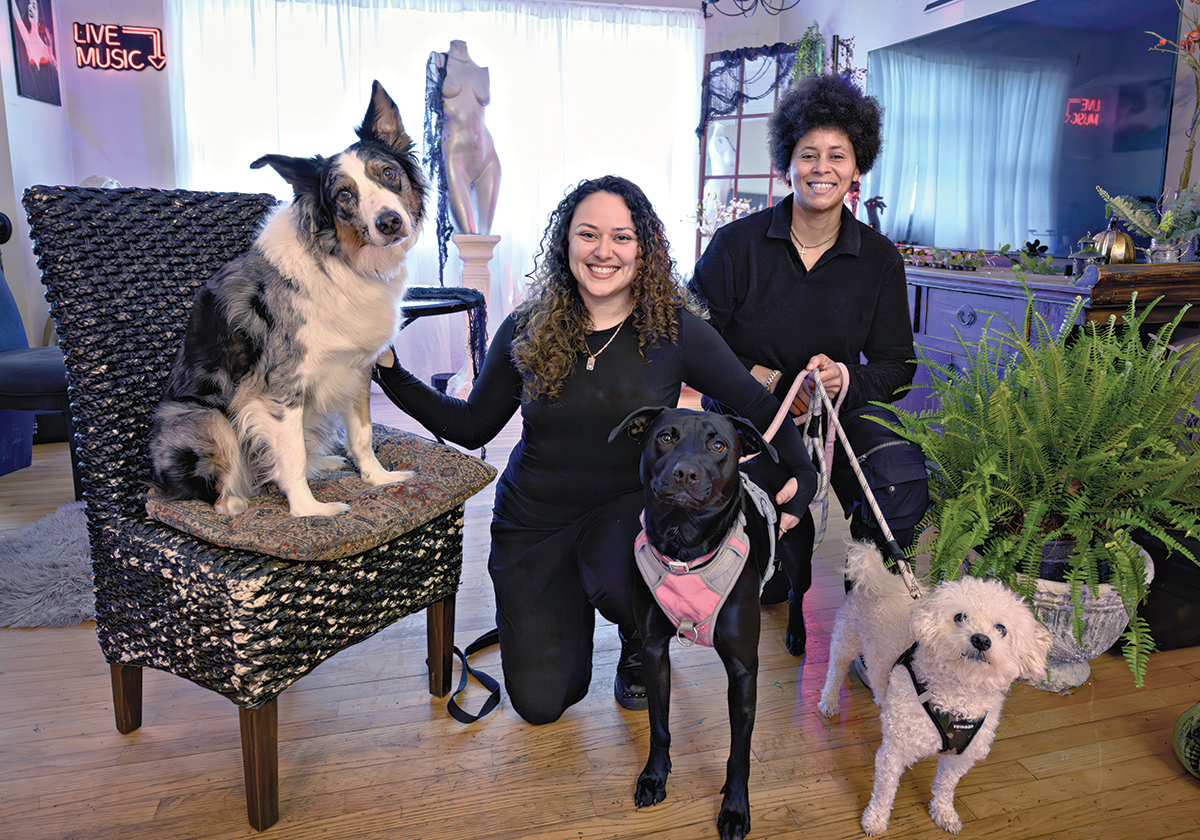
CALM CANINES: Sheila Rose, right, and Ashly Rose operate and own The Peaceful Pack, a luxury in-home dog boarding, day care and pet care service in Johnston. They are pictured with, from left, an Australian shepherd named Max; a pitbull mix named Portia; and a Maltipoo named T’Co. 
PBN PHOTO/MICHAEL SALERNO
CALM CANINES: Sheila Rose, right, and Ashly Rose operate and own The Peaceful Pack, a luxury in-home dog boarding, day care and pet care service in Johnston. They are pictured with, from left, an Australian shepherd named Max; a pitbull mix named Portia; and a Maltipoo named T’Co. 
PBN PHOTO/MICHAEL SALERNO

(Editor’s note: This is the 63rd installment in a monthly series speaking with minority business owners and leaders. Each will be asked their views on minority-business conditions in the state and for ways to improve those businesses’ chances for success. See previous features here.) At The Peaceful Pack in Johnston, even the most anxious dogs

Already a Subscriber? Log in

To Continue Reading This Article

Become a Providence Business News subscriber and get immediate access to all of our premier content and much more.

Learn More and Become a Subscriber

NO COMMENTS

(Editor’s note: This is the 63rd installment in a monthly series speaking with minority business owners and leaders. Each will be asked their views on minority-business conditions in the state and for ways to improve those businesses’ chances for success. See previous features here.)
At The Peaceful Pack in Johnston, even the most anxious dogs seem to find calm. Otis, a border collie, arrived in a muzzle; Daisy, a 6-month-old puppy, flinched at every touch. Weeks later, both were napping nose-to-tail in the sun. “When their parents see that change, they cry,” said Sheila Rose, who launched the luxury in-home dog boarding, day care and pet care services business with her wife, Ashly. The couple said they built the business around empathy and structure. The couple launched The Peaceful Pack in 2015, just after adopting their dog, River, as a means to resolve their puppy’s separation anxiety. They were searching for a boarding option that would feel more like home than a kennel – and finding none, they decided to create one. What started as a side project in their backyard has turned into a full-fledged small business that regularly books months in advance. On an average week, the Roses care for five to eight dogs per day, balancing day care, boarding and behavioral work. At peak times, such as long weekends or holidays, they’ve hosted up to 18 dogs at once. But every animal gets individualized attention, structured walks and a calm, controlled environment that mirrors a stable home. Their approach is part behavioral science, part intuition. “We don’t do chaos,” Sheila Rose said. “We do calm energy, clear communication and routine. Dogs respond to that.” Once a dog demonstrates calm behavior, it’s gradually introduced to the larger pack – a structured social environment that eases separation anxiety and teaches nervous pups how to relax, play and take emotional cues from more-confident dogs, they said. The results have earned The Peaceful Pack a loyal following and word-of-mouth growth. Many of their clients drive from Massachusetts and Connecticut for boarding and training because of the visible difference in their dogs. “Owners see a transformation,” Ashly Rose said. “Dogs who couldn’t handle noise or strangers suddenly start to settle, to trust.” The couple equally divides duties: Sheila Rose handles training and communication while Ashly Rose manages operations at the couple’s home, which features indoor lounges, two fenced yards and a play area. Both are certified in pet CPR and first aid, and they continue to expand their education through seminars and mentorships with established ­trainers. Running a business built around care means long days and few breaks. They work seven days a week, often starting before sunrise and ending late at night once the last dog has settled. Still, they said, the rewards outweigh the exhaustion. “We built something that helps animals and humans,” Sheila Rose said. For the Roses, success isn’t measured in profit margins or client counts. It’s in the small moments, when a once-fearful rescue dog finally plays, or when a weary owner picks up a calmer, happier pet. “That’s everything,” Sheila Rose said.
1. Do you believe racism is keeping minorities from starting businesses in the Ocean State or succeeding when they do? Yes, we do. We think racism shows up in both direct and subtle ways. Access to capital, networks and trust-based referrals are not equally distributed. Many minority entrepreneurs start without generational financial support or existing business connections, so we’re building from scratch while also pushing through bias and assumptions. It doesn’t mean we can’t succeed – because we do, but the path is often longer, heavier and more costly emotionally and financially. 2. How dependent is your business on the support of other minority groups? Is that a sustainable business model? The Peaceful Pack serves everyone, and we welcome a diverse, loving and intentional community of dog owners. Our business isn’t dependent on any one demographic. We have grown through genuine relationships, trust and positive word-of-mouth. We show up as our full selves, and that naturally resonates with some clients more than others, but our pack is made up of people from many backgrounds. Sustainability comes from service, care and results rather than from limiting who we serve. We believe the quality of your product or service speaks louder than any demographic. When you focus on adding value, filling needs and offering your best, the right people will recognize and support it. 3. What one thing could Rhode Island do to boost the odds for minority-owned business success? Create real pathways to mentorship and startup funding that don’t require already having high credit, large savings, or an existing network. There are so many talented, creative, brilliant minority entrepreneurs here, and we just need equitable first-step support. Not just workshops but hands-on guidance, relationship-based lending and opportunities to collaborate with established businesses. Visibility matters, too. When we see others who look like us succeed, it opens the door in our minds and then in our lives. 4. Have you had to turn somewhere other than a bank for a loan? Do you believe the state’s lending institutions generally treat minorities fairly? We relied on personal savings, community support and incremental growth. Traditional banks often require assets, collateral, or credit profiles that many minority entrepreneurs simply haven’t had the opportunity to build yet, which sets us back before we even start. Rhode Island’s lending system still has a long way to go. Fairness isn’t just about policy; it’s about how decisions are made, who gets the benefit of the doubt, who is nurtured instead of denied, and who even feels welcome walking in the door. 5. If another minority entrepreneur asked you where they could turn to for support for their business, where would you direct them? We’d encourage them to join peer-led business circles, mentorship groups and online entrepreneur communities where people genuinely share resources, advice, referrals and collaborate. We’d direct them to local minority business networks and grassroots entrepreneur groups that value real connection and mutual support. And most importantly, we’d tell them to build relationships with other minority entrepreneurs directly because sometimes the most powerful support comes from someone who truly understands the journey firsthand. One of our most helpful resources has been industry-specific Facebook groups and online forums. Connecting with people all over the world who do what we do has given us new strategies, creative perspectives and a sense of community.
Exit mobile version