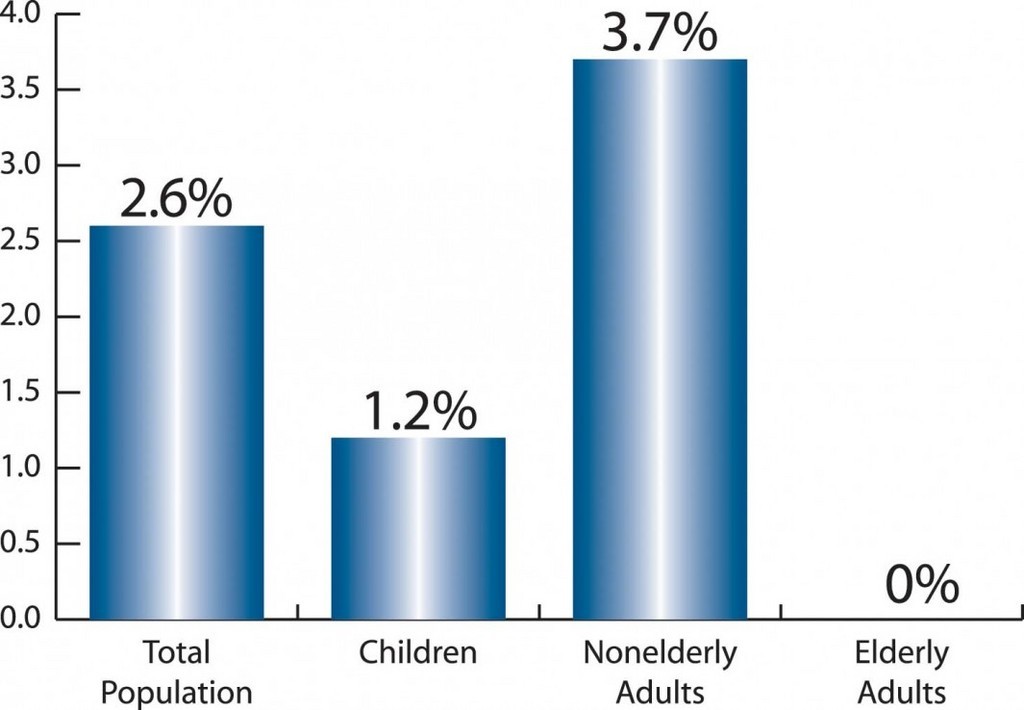
In a country with 45.6 million uninsured – more than one in seven Americans – it’s quite an achievement: As of this summer, 97.4 percent of Massachusetts residents had health insurance, including 98.8 percent of children, Gov. Deval L. Patrick announced recently.
Based on a survey of 4,910 households statewide, officials estimated that only about 167,000 Bay State residents lack coverage. “Massachusetts has succeeded in covering the uninsured at an amazing rate,” said state Secretary of Health and Human Services Dr. JudyAnn Bigby.
The new figures are important to health-reform supporters because they show the state’s investment is paying off, even if it is putting a growing strain on the budget.
And indeed, the latter point was openly acknowledged by officials unveiling the data.
“These survey results are a clear endorsement of our approach to covering the uninsured, but also point to the critical need to tackle the unsustainable growth in health care costs in order to protect the progress we have made,” said Sarah Iselin, commissioner of the Mass. Division of Health Care Finance and Policy.
Richard Desimone, executive director of Tri-River Family Health Center in Uxbridge, part of the UMass Memorial Health Care system, said he has seen an influx of new patients since the reform, people who were uninsured before and just went to the emergency room if they had a serious problem. Now they’re covered and want regular primary care, close to home.
“I know it’s been hugely successful,” Desimone said of the reform. The big challenge for Tri-River, he added, has been meeting the demand.
“We’ve tried to keep things open … but now we’ve gotten to the point that we can’t accept any more patients,” he said.
At Greater New Bedford Community Health Center, meanwhile, Cruz Martinez, director of benefits, said health care reform “is a great concept, but it’s still very fragmented.”
More patients do have coverage now than before, Martinez said, but if they’re transient – as many of the poor are – it’s easy for them to lose their benefits. If the state sends them a letter and it comes back as undeliverable, they get taken off the rolls, and then it’s up to his staff to make phone calls for them and try to restore their coverage.
And now rising unemployment is taking its toll. Across Massachusetts, the unemployment rate rose from 4.3 to 5.9 percent between November 2007 and November 2008, and in the New Bedford area, it rose from 5.5 to 7.9 percent. As people lose their jobs, Martinez said, they’re losing their coverage unless they can afford to pay for COBRA benefits.
Given the challenges of securing and maintaining coverage, health care providers play a crucial role, and some have worked aggressively to help their patients get insured.
Southcoast Health System, which includes Charlton Memorial Hospital in Fall River, St. Luke’s Hospital in New Bedford and Tobey Hospital in Wareham, contacted more than 14,000 people who had gotten free care at the hospitals over 18 months and managed to get more than 5,000 insured, said Southcoast spokeswoman Joyce Brennan.
In addition, the hospitals hired several new people to do public outreach.
Yet the payoff is still limited, Brennan said.
“Southcoast is seeing a decrease in the number of uninsured patients, but numbers still lag behind the state,” she said. “Southcoast projects its number of uninsured patients is double what the state is seeing. We are concerned this will increase due to the increased number of unemployed in the region and [the] declining economy.” •