Home Subscriber Only Cover Story The Ocean State has seen the damage storms can cause. So why...

The Ocean State has seen the damage storms can cause. So why are many coastal areas still so vulnerable?

By Eli Sherman

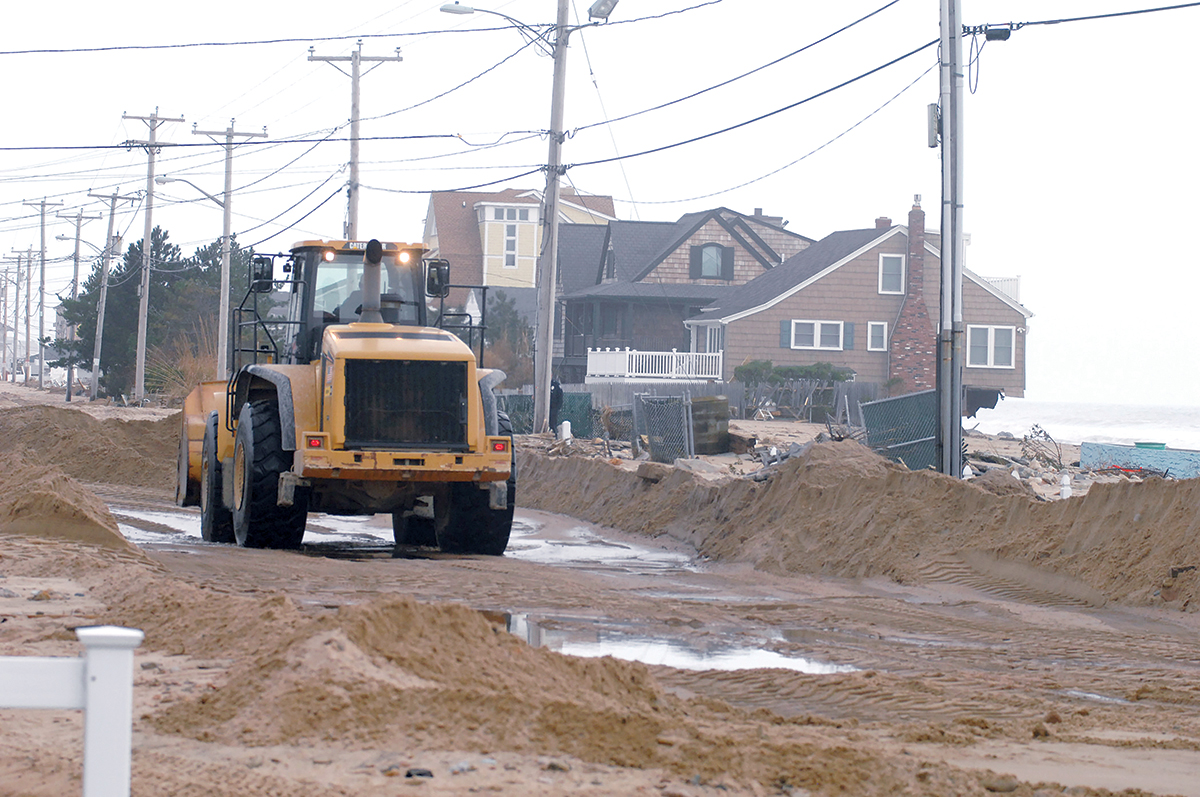
DIGGING OUT: A truck clears sand off Atlantic Avenue in the Misquamicut community of Westerly following “Superstorm” Sandy in 2012. Today the town is still dredging 20,000 cubic yards of sand from Winnapaug Pond deposited there during the storm.  / PBN FILE PHOTO/BRIAN MCDONALD
DIGGING OUT: A truck clears sand off Atlantic Avenue in the Misquamicut community of Westerly following “Superstorm” Sandy in 2012. Today the town is still dredging 20,000 cubic yards of sand from Winnapaug Pond deposited there during the storm. / PBN FILE PHOTO/BRIAN MCDONALD

(Editor’s note: This is the first of a three-part series exploring Rhode Island’s vulnerability to coastal flooding and what businesses, property owners and local communities can do to better prepare. Read part two here and part three here.) When the Great Hurricane of 1938 barreled ashore on Sept. 21, it cast Rhode Island into a

Already a Subscriber? Log in

To Continue Reading This Article

Become a Providence Business News subscriber and get immediate access to all of our premier content and much more.

Learn More and Become a Subscriber

NO COMMENTS

Exit mobile version