PROVIDENCE – Interest in the city’s experimental guaranteed income program is nearly 40 times larger than the number of recipients that will be chosen to benefit from the no-strings-attached monthly payments.
The city has received more than 4,000 applications from residents and families interested in participating in the program, which is set to allocate $500 a month over the course of a year to just 110 recipients, spokesman Andrew Grande said in an email on Monday. Interest in the pilot program far exceeded the 500 applications the city estimated it would receive, Grande said.
Who will get the yearlong series of monthly payments is, at least in part, up to chance. The Center for Guaranteed Income Research at the University of Pennsylvania, which has partnered with the city on the program, will oversee a lottery process that determines participants, giving extra weight to applicants who identify as people of color or who have children, Grande said. The Center will also study the effectiveness of the program by comparing what happens to those who receive payments, comparing them to a control group of those given no extra cash.
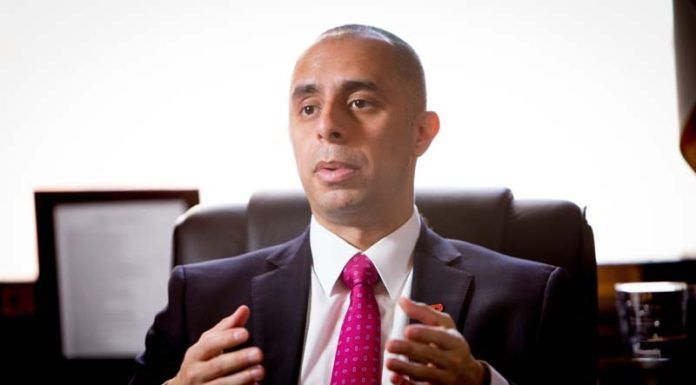
The program unveiled by Mayor Jorge O. Elorza in July targets those who earn at or below 200% of the poverty level – equal to $25,760 in annual income for one person or $53,000 for a four-person household – although applicants do not have to prove income limits because “onerous paperwork and verification are barriers that limit access to traditional benefits programs” Grande said.
Participants selected for the program will be announced “no earlier than the end of September,” according to Grande.
The over-$1-million-program was funded through a combination of cash in and in-kind donations, including a $500,000 contribution from Twitter CEO Jack Dorsey. No money was set aside for it in the city’s fiscal 2022 budget, although if the program extends beyond a year, new funding sources will be required.
The city worked with a number of community organizations to promote the program, which opened for applications from Aug. 15 to Aug. 21.
More than half of the total funding – $723,000 – goes to administrative and research costs, versus the $660,000 in total payments, according to a funding breakdown provided by Grande.
More than $400,000 of the overhead costs will go the Center for Guaranteed Research for administering the lottery and researching its effectiveness, while about $96,000 will cover salaries and benefits for staff at Amos House and Dorcas International for running the program. Other costs include counseling for participants on how payments might affect other state and federal aid, translation services and outreach and recruitment efforts.
(SUBS paragraphs 4, 8 and 9 with new details, comment from city; MINOR edits.)
Nancy Lavin is a PBN staff writer. You may reach her at Lavin@PBN.com.