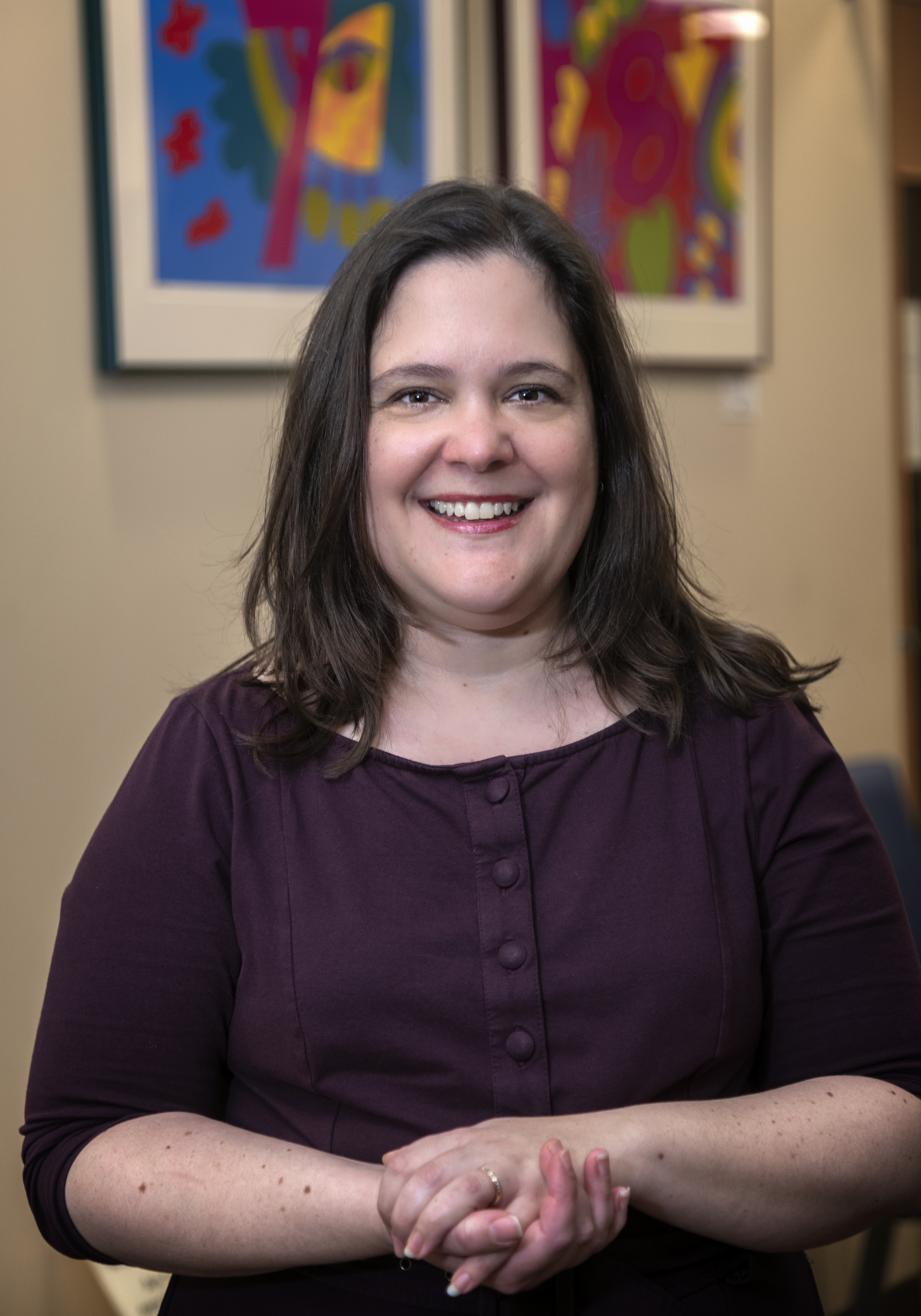
Dr. Cristina Pacheco, chief medical officer at Blackstone Valley Community Health Care, discusses how the center adapted as the COVID-19 pandemic shut down many businesses and medical practices in the Ocean State. BVCHC continued to offer consistent care, resulting in an increase in the practice’s childhood immunizations last year and the hiring of seven full-time staff members.
PBN: Many businesses and health care facilities closed or limited services once COVID-19 began surging in Rhode Island, but BVCHC stayed open for emergency eye and dental care, and continued to offer in-person medical visits. What was the response from patients?
PACHECO: Our patients trust in us and rely on us. We’re proud to have been able to be there for them during this difficult time and to be able to provide services in a manner that was safe for them and for us too.
The virus was new and frightening. It affected our population especially hard. They were anxious, as we all were, but we have worked hard to develop a relationship with our patients and they have come to trust us as a valuable source of reliable and accurate information.
Internally, we triaged calls, to determine which visits should be virtual and which patients needed to be seen in person.
On the behavioral health side of our care, more people accessed these services than had ever before. We were able to meet that need, virtually, and help our patients through this crisis and the uncertainty that has followed.
Along the way, we also helped with technical assistance since virtual visits were a new concept. We had outreach workers available to teach patients how to log on and participate and we also provided technology to those people who did not have access.
We stayed open, we demonstrated our concern for patients’ health and well-being and they, in turn, are spreading the word in the community. I anticipate that by putting our promises into practice and delivering reliable care that our patient enrollments will continue to grow in the coming year.
PBN: What other measures did BVCHC take to reach patients for non-COVID-19 medical needs during the height of the pandemic?
PACHECO: Our team deserves credit for the way that they collaborated and got creative to make sure that COVID-19 didn’t stand in the way of preventative healthcare.
We took care of our patients at all ends of the age spectrum – and everywhere in between.
Obstetrical care was offered both in person and virtually. We offered fetal non-stress tests to avoid unnecessary hospital visits. We did position checks in-office to avoid the need for ultrasounds. We made sure kids kept up with their well visits and vaccinations. In fact, we actually increased our childhood immunization rates by 10 percent last year.
For emergency or urgent care dental and optometry needs, we offered both virtual and in-person visits. For healthy adults, we offered virtual well visits.
Our highest risk patients – and those with uncontrolled chronic diseases like diabetes and hyper tension – were actively monitored. If they couldn’t come to us because they rely on public transportation, we secured private transportation. We also offered evening telephone calls and did curbside care to keep check on their conditions while minimizing their time in our offices. And then we followed up – again and again.
PBN: What is BVCHC offering in terms of testing for, vaccinating against and treating COVID-19?
PACHECO: We are right here in the communities we serve so it’s important to make treatment and prevention available and convenient. Many of our patients don’t have a car. Many work first and third shifts. So we offer testing six days a week. Our vaccine clinic is open weekdays and we also offer monoclonal antibody infusions right here on our campus. We are open early in the morning and have evening appointments to meet our patients’ needs.
PBN: As vaccinations continue, is the demand for COVID-19-related services lessening?
PACHECO: Yes, thankfully, with more vaccines available we are seeing fewer patients with COVID-19, but we did have a small surge in April. Now the task at hand is to identify those who are eligible for the vaccine and have not yet scheduled an appointment. Our community health workers are actively reaching out to patients and addressing their questions to dispel misinformation and get our community back to work, to school and to the new normal of everyday life in 2021.
PBN: Roughly how many patients does BVCHC serve, and how many providers are on staff?
PACHECO: We are proud to say that we see 21,000 patients a year and that number is growing. Consequently, so is our staff. Last year we added seven full-time and two part-time clinicians. We also have a team of Boston University dental students who are doing rotations through our clinic. All totaled, we have 41 medical providers, seven behavioral health therapists, seven people in dental and we also have an optometrist on staff.
Elizabeth Graham is a PBN contributing writer.