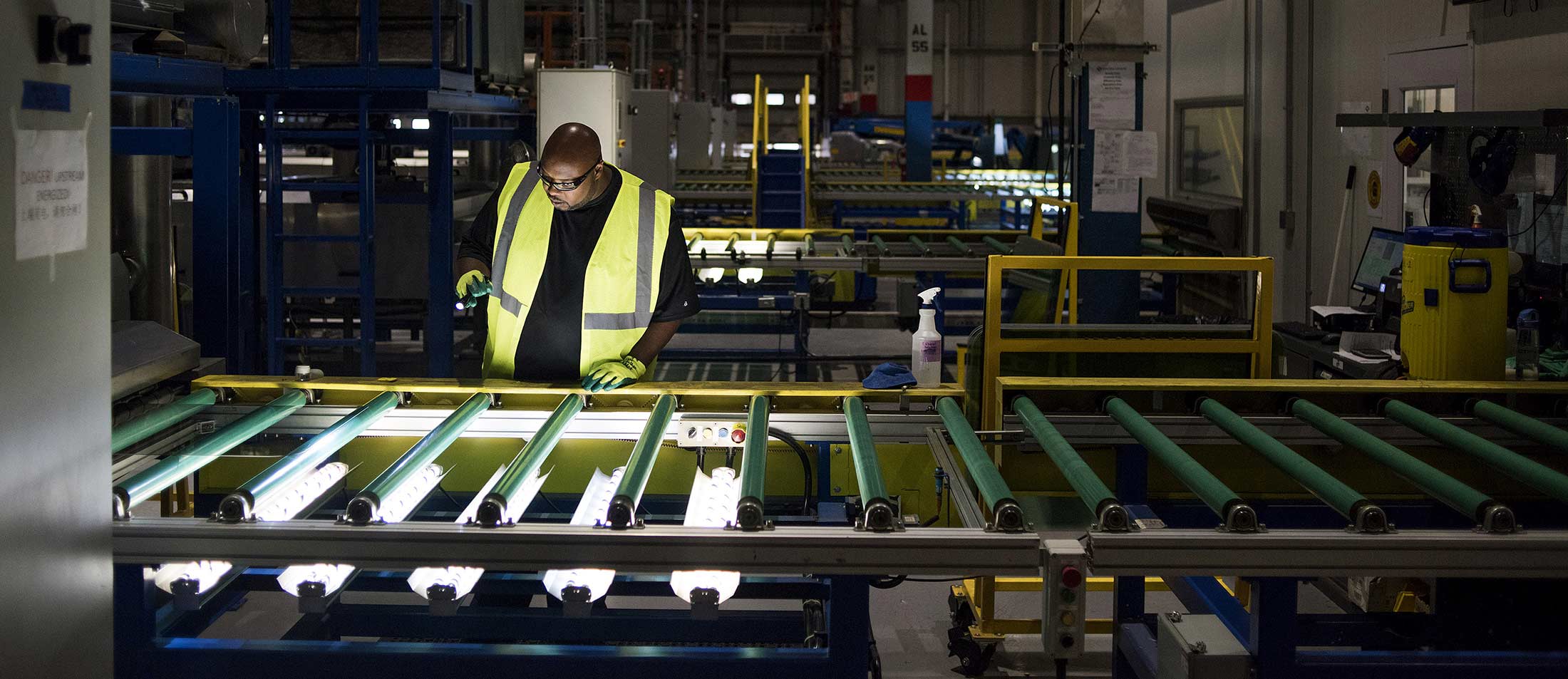
NEW YORK – United States employment costs held up at a steady pace in the first quarter as wages firmed, signaling some buildup of inflationary pressures that could still spur pickups in otherwise-muted price gauges.
The employment cost index, a broad measure monitored by the Federal Reserve, increased 0.7 in the January to March period from the prior quarter, according to Labor Department data Tuesday that matched economist estimates and the prior quarter. The gauge increased 2.8% from a year earlier, slower than the fourth quarter’s pace but slightly above the year earlier rate.
Selling Luxury Real Estate Requires More Than Exposure
By Emilio DiSpirito IV License Partner | Private Office Advisor Engel & Völkers Oceanside www.DiSpiritoteam.com…
Learn More
Key insights
The report signals a tight labor market is prompting employers to continue raising pay and benefits. The gains also show that inflation, which has been relatively contained in this economic expansion, has maintained momentum. The data come just before the government’s monthly employment report due Friday, which is forecast to show average hourly earnings accelerated at a 3.3% annual pace in April, one of the strongest rates of the current economic expansion. The reading is not likely to sway Fed policy makers meeting this week. Central bankers have promised to be patient on interest-rate changes amid conflicting economic signals.
Get more
Wages and salaries for private workers rose 3% from a year earlier, about in line with the prior four quarters. Among occupational groups with larger gains for employment costs, including wages and benefits, were transportation and material moving, which increased 1.2% from the prior quarter, and construction, which rose 0.8%. The government’s quarterly ECI reading covers employer-paid taxes such as Social Security and Medicare in addition to the cost of wages and benefits.
Katia Dmitrieva is a reporter for Bloomberg News.