Manufacturers and shippers are scrambling to
figure out where they can load or unload cargo while the main operations of the Port of Baltimore remain shut down due to
Tuesday's deadly collapse of the
Francis Scott Key Bridge.
Supply chain experts say
other ports up and down the East Coast are likely to absorb much of Baltimore's traffic, including automobile imports. But not without some longer shipping times and upheaval.
“Ultimately, most trade through Baltimore will find a new home port,” Moody's Analytics economist Harry Murphy Cruise wrote in a blog post.
It was unclear Thursday whether the North Kingstown Quonset Business Park's Port of Davisville, a leader for auto imports, could see some of that business.
"There are a whole host of other options available for cars: Norfolk, Charleston, Savannah. New York is an option, Halifax is an option," said Quonset spokesman David Preston. "If you look at Google maps you can see that Baltimore actually has two auto terminals, one is inside the harbor on the other side of the bridge. The other is outside the harbor on the other side of the bridge, so ... it's unclear to us what the status of the one outside the harbor is. So, you can see this is really just the tip of the iceberg. There are so many moving parts."
U.S. Transportation Secretary Pete Buttigieg reiterated
Wednesday that it was too soon to estimate how long it would take to clear the bridge structure from the 50-foot-deep (15 meters) Patapsco River channel, which leads to the port's main terminal.
The port's location makes it a key destination for freight. The Maryland Port Administration says the facility is an overnight drive from two-thirds of the U.S. population, and it's closer to the Midwest than any other East Coast port.
Here's a look at the goods that go through
the Port of Baltimore and the potential impact of a prolonged port shutdown:
WHAT GOODS ARE SHIPPED TO AND FROM BALTIMORE?
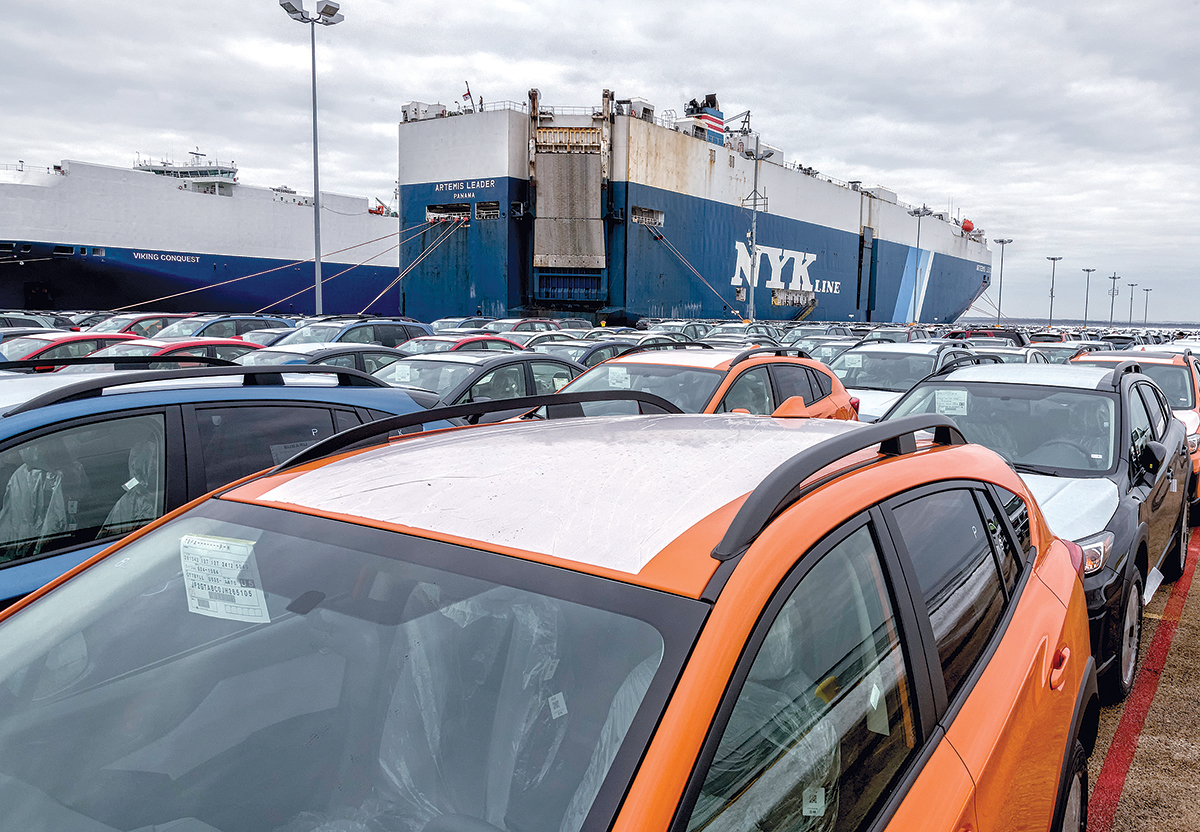
Baltimore is the ninth-busiest port in the nation for international cargo, but it leads U.S. ports in “roll on, roll off" cargo. That means goods with wheels, composed largely of automobiles but including construction and agricultural equipment.
The state of Maryland says the port moved 847,158 automobiles last year. About 70% of the wheeled cargo was imported.
The port also handles a large amount of wood, steel, aluminum, home appliances, furniture, sugar and
liquefied natural gas. About 20% of
U.S. coal exports pass through Baltimore, second only to the port in Norfolk, Virginia.
Shippers also use the port for containers, although other ports handle more of them. About 1 million containers went through Baltimore in the past year, about 2.8% of the container volume shipped through East Coast ports, according to S&P Global.
In all, the port handled a record 11.7 million tons of cargo last year, the state said.
“For everybody who is buying cars, for everybody who is (buying) farm equipment, we’re the largest port in the country that does that," Maryland Gov. Wes Moore said. “So this is not just impacting Maryland.”
HOW MANY SHIPS STOP AT THE PORT?
More than 50 ocean shipping and cruise ship companies do business with the port, the state says, and their vessels visit the port about 1,800 times per year.
Last year, more than 444,000 passengers boarded cruise ships at the port from Royal Caribbean, Carnival, Norwegian and other cruise lines.
WHAT ARE BALTIMORE-BOUND SHIPS DOING NOW?
Many are waiting to get booked at other ports, pushing back their arrival dates for several weeks.
Windward Maritime said that from Monday to Tuesday, estimated time of arrival for Baltimore bound vessels doubled. The maritime risk management company predicted that ships scheduled to go to Baltimore would be delayed by at least 24 days.
The company also said its data shows a large increase in ships that are basically drifting in the North Atlantic, likely meaning they are waiting to see which port they will go to.
Some are anchored near Baltimore or nearby Annapolis, where a dozen vessels were waiting. Ships also are gathered near Norfolk.
WHERE ELSE WILL THE SHIPS GO?
Supply chain experts say it will take some time, and there will be disruption, but automakers and shipping companies will divert their cargo to ports up and down the East Coast.
Ports in Philadelphia, Wilmington, Delaware; Newark, New Jersey; Norfolk; Charleston, South Carolina; Jacksonville, Florida; and in Georgia also could see additional cargo.
The Georgia Ports Authority, which owns ports in Savannah and Brunswick, said it has capacity to take on more cargo. But it can't make up for Baltimore by itself.
Baltimore still can handle some autos. Part of its operations are east of where the bridge collapsed and are still operational, the port said. BMW and Volkswagen said they would still be able to use Baltimore.
WILL THE INCREASED SHIPPING TIMES RAISE PRICES OF GOODS?
Perhaps, although Moody's said finding substitute ports should minimize price adjustments for coal and vehicles. “That said, the reshuffle will squeeze other ports, potentially adding a smidge to shipping costs as delays spill to other goods,” analyst Murphy Cruise wrote.
(Tom Krisher is a business writer for The Associated Press. PBN Staff Writer Jacquelyn Voghel contributed to this report.)