

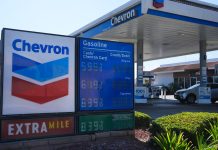
PROVIDENCE – The average price of self-serve, regular unleaded gasoline in Rhode Island remained unchanged from one week prior at $2.50 per gallon, 15 cents below the national average of $2.65 per gallon, according to AAA Northeast Monday.
Prices for regular gas in Rhode Island were 34 cents higher one year prior at $2.84 per gallon. Prices this week ranged 42 cents from $2.35 to $2.77 per gallon.
Rhode Island's Market Has Changed. Developers, Builders, Investors and Sellers Must Change With It.
By Emilio DiSpirito IV License Partner | Engel & Völkers Oceanside Leader | The DiSpirito…
Learn More
“Most motorists around the country are seeing gas prices stabilize or decline,” said AAA Northeast Senior Vice President of Public and Government Affairs Lloyd Albert. “On the whole, we are seeing gasoline demand pushing lower amid healthy supply levels, ultimately keeping prices stable or cheaper for most motorists.”
- Midgrade gas averaged $2.88 per gallon, ranging from $2.64 to $3.11 per gallon.
- Premium gas averaged $3.05 per gallon, ranging from $2.84 to $3.41 per gallon.
- Diesel fuel averaged $2.96 per gallon, ranging from $2.79 to $3.35 per gallon.
In Massachusetts, prices declined 3 cents from last week to $2.52 per gallon, 13 cents below the national average and 32 cents lower than prices at this time last year.
Prices in the Bay State ranged 76 cents, from $2.29 per gallon to $3.05 per gallon.
- Midgrade gas averaged $2.84 per gallon this week, ranging from $2.49 to $3.15 per gallon.
- Premium gas averaged $2.99 per gallon, ranging from $2.69 to $3.29 per gallon.
- Diesel fuel averaged $2.96 per gallon, ranging from $2.73 to $3.19 per gallon.











PBN should also include the eGallon price for fueling a vehicle with electricity. In Rhode Island, you could drive an electric vehicle and pay ~$1.70 per gallon equivalent or less (including the potential to drive for free if you also have solar panels on your roof or an employer sponsored charging station). In addition, electric vehicles cost less to own and maintain over time.
Here is the federal government website explaining a bit about the eGallon and electric vehicles:
https://www.energy.gov/articles/egallon-what-it-and-why-it-s-important