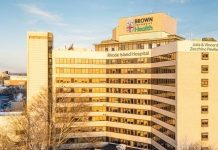
PROVIDENCE — Rhode Island hospitals expect to record as much as $440 million in operating losses through the end of the year due to the COVID-19 pandemic, according to data compiled on behalf of the Hospital Association of Rhode Island.
Administrators for 13 private hospitals were interviewed by Health Management Associates. Two hospitals run by the state or federal government, including the Veterans Administration Hospital in Providence, were not included in the data.
Rhode Island's Market Has Changed. Developers, Builders, Investors and Sellers Must Change With It.
By Emilio DiSpirito IV License Partner | Engel & Völkers Oceanside Leader | The DiSpirito…
Learn More
The report, released on Monday, highlights the financial pressure facing health systems. It’s primarily due to losses in patient revenue from canceled elective procedures and surgeries, increased costs in providing intensive services needed through the pandemic and continued losses as people avoid procedures, in some cases because they’ve lost insurance coverage through unemployment.
Hospital administrators said they do not expect business to resume as normal in 2020, although the report indicates that most anticipate reduced losses in the last half of the year.
The $440 million does not include state or federal help, beyond the initial $92 million received by hospitals and health systems in the federal COVID-19 relief act approved in March.
And it comes despite furloughs or staffing cuts reported by all of the hospital organizations.
Rhode Island has received $1.25 billion in federal aid, and part of that is pledged for hospital relief by Gov. Gina M. Raimondo. She announced last week that $150 million of the federal funds would be directed to the state’s hospitals, for both emergency financial support and to help them in the future.
“We asked hospitals to cut down on the services they were delivering. They saw massive drops in their revenue,” Raimondo said, in a press conference on Friday. “We need to be there for them. And they need to be there for their frontline workers.”
The hospital association report found that patient revenue declined faster than patient volumes, because the canceled procedures included surgeries and complex treatments that generate more revenue per-visit than medical services that were not canceled. In addition, the canceled procedures were more heavily covered by private insurance and Medicare with higher reimbursement rates.
Going forward, patient volume is considered the most important variable in how fast the hospitals can rebound. That is going to be impacted by two issues, the report found, including the uncertainty of COVID-19 cases moving forward and the willingness of patients to return to hospitals for services.
Mary MacDonald is a staff writer for the PBN. Contact her at macdonald@pbn.com.