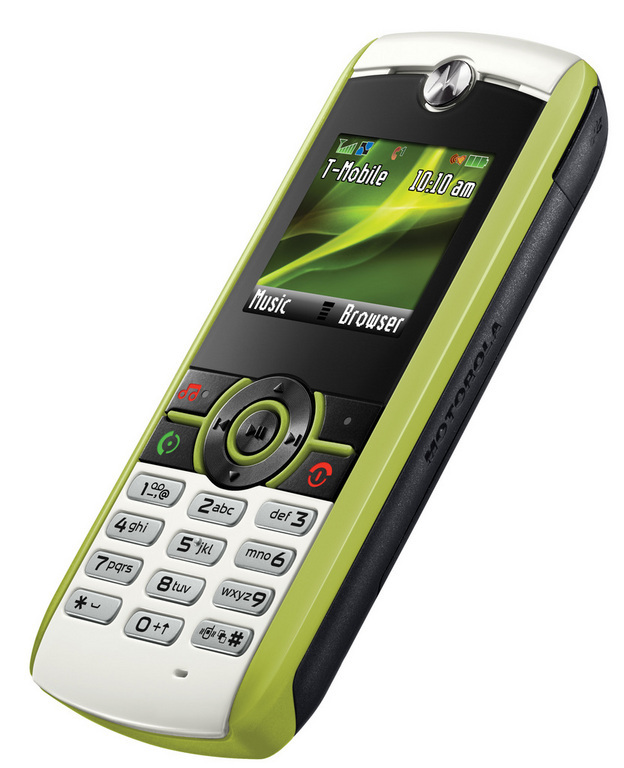
DARTMOUTH — A new product Motorola is billing as the world’s first carbon-neutral cell phone is helping to fund a renewable-energy project outside New Bedford.
The MOTO W233 Renew, which Motorola introduced at the Consumer Electronics Show in January and began selling this month, is made using plastic from recycled water bottles and packaged using recycled paper. Motorola said it also reduced the amount of packaging by 22 percent.
Rhode Island's Market Has Changed. Developers, Builders, Investors and Sellers Must Change With It.
By Emilio DiSpirito IV License Partner | Engel & Völkers Oceanside Leader | The DiSpirito…
Learn More
The telephone itself can be recycled, and it comes with a prepaid shipping envelope to make it easier for consumers to send their old phone in for recycling. The W233 is currently available through T-Mobile and costs $9.99 with a two-year contract.
In order to get the phone designated as carbon-neutral, Motorola is buying carbon offsets from CarbonFund.org, a Maryland-based nonprofit that uses the money to invest in various renewable-energy projects.
“Today, natural resources, energy and time are more precious than ever before,” Jeremy Dale, a Motorola vice president for marketing, said in a statement. “From the product’s design to the packaging to our partnership with CarbonFund.org, we wanted to ensure that this device makes the right impact with consumers and the environment.”
Motorola designated some of the carbon offsets bought on behalf of the W233 to support a project at the Crapo Hill Landfill in Dartmouth, that captures methane gas generated by the waste there and uses it to generate electricity.
The Crapo Hill project was developed by Boston-based CommonWealth Resource Management Corp., and is expected to generate approximately 26 million kilowatt hours of electricity per year, which will be sold to a utility.
Bill Olson, director of Motorola’s Office of Sustainability and Stewardship, said the Crapo Hill project was recommended to the company by the Environmental Defense Fund, according to The New York Times.
The Times reported that the W233 is part of a growing trend, “as the mobile-phone industry looks for ways to appeal to a growing segment of consumers who want to reduce their carbon footprints.”
CommonWealth Resource Management Corp. is a Boston-based management and environmental consulting firm focusing on materials and waste management, resource recovery, renewable energy and distributed power generation and environmental impact mitigation. To learn more, visit www.crmcx.com.