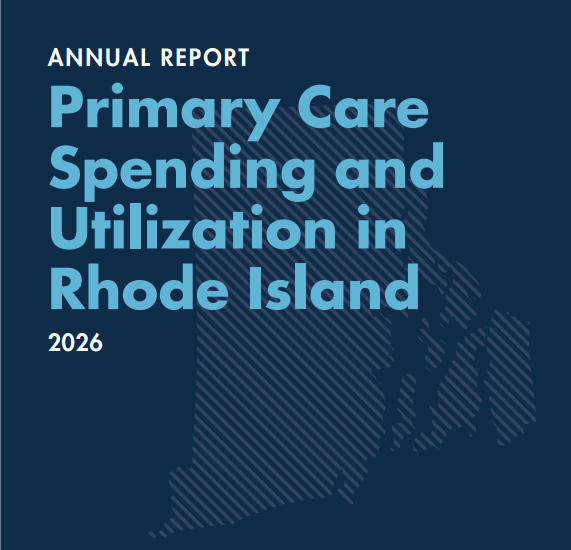
PROVIDENCE – Access to primary care in Rhode Island remains uneven and strained, with provider shortages and gaps in preventive care persisting across the system amid an estimated shortfall of about 300 primary care clinicians needed to meet demand, according to a new report from the R.I. Office of the Health Insurance Commissioner.
The report, published on Monday, found Rhode Island lacks sufficient primary care capacity to serve its population, with access gaps disproportionately affecting lower-income residents and communities of color.
It noted that 12.5% of Rhode Island adults lack a usual source of care, a rate that has worsened in recent years despite still remaining below the national average. One-third of Hispanic adults reported no usual source of care.
Survey data also showed growing strain in accessing appointments, with the share of residents unable to secure timely primary care visits rising from under 10% in 2018 to about 1 in 7 by 2024.
On spending, the report said investment in primary care has remained largely flat across commercial insurers and public programs and continues to fall short of a state target requiring insurers to direct 10% of total medical spending to primary care by 2028.
It also found that Massachusetts providers near the Rhode Island border are reimbursed about 30% more for common primary care services.
Preventive care use also remains uneven. In 2024, just 48% of Medicaid members received a well-care visit, including 33% of adults and 66% of children, with children’s rates declining since 2019.
Among commercially insured men, 46% had a well-care visit, compared with 24% of men on Medicaid.
The report also noted that care is delivered across multiple settings, with most services still occurring in traditional primary care offices, alongside growing use of urgent care and declining telehealth following a pandemic-era spike.
In response, OHIC has updated regulations requiring insurers to increase primary care investment, reduce administrative burdens such as prior authorization, and raise reimbursement and support for primary care practices.
The agency also pointed to recent state funding and legislation aimed at strengthening workforce capacity.
The report is issued annually to track primary care access, spending and utilization trends.
Matthew McNulty is a PBN staff writer. He can be reached at McNulty@PBN.com or on X at @MattMcNultyNYC.