PROVIDENCE – In recent years, just one Rhode Island community offered affordable housing options to renters making a median salary. This year, not a single municipality made the cut.
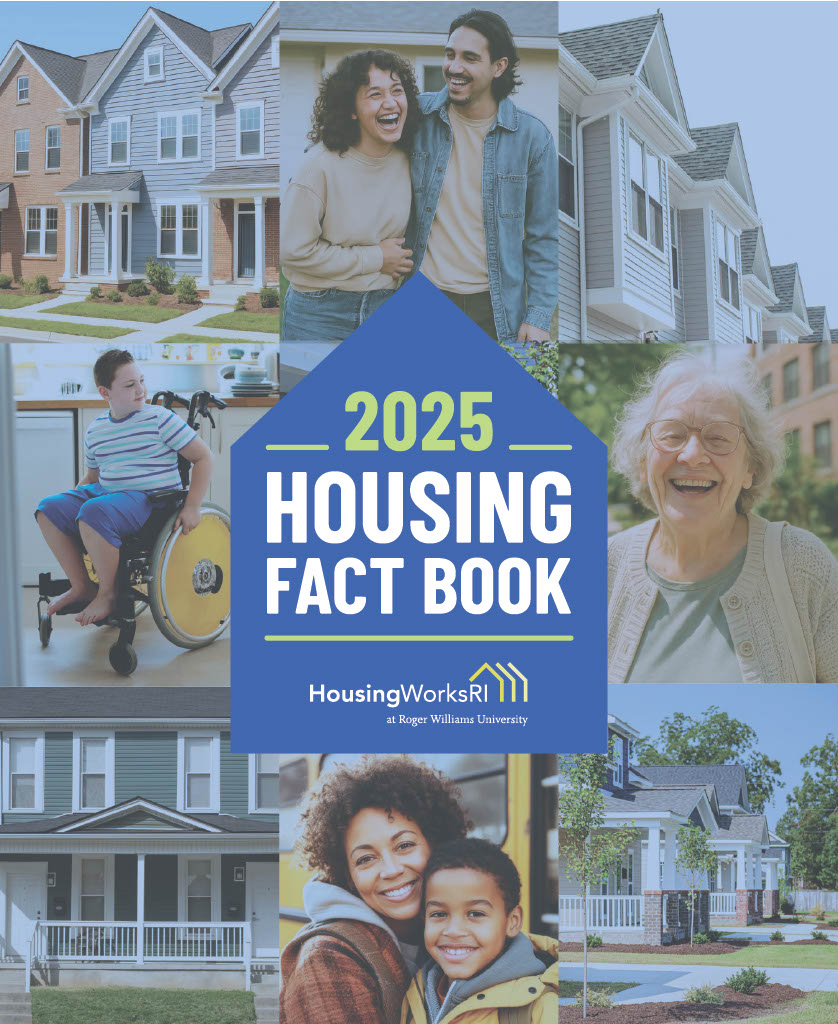
The update accompanied a largely grim view into Rhode Island's housing market over the past year, released Friday in HousingWorks R.I.'s 2025 Housing Fact Book.
Burrillville, previously the only Rhode Island city or town to meet affordability threshold for two-bedroom rentals, this year lost that designation as the state continues to grapple with a nationwide affordable housing crisis. The median renter household makes an income of $48,434.
Additionally, not a single community offers options affordable to home buyers making the median household income of $112,858. The median single family home price for 2024, meanwhile, was $475,000, requiring an estimated monthly payment of $3,957, and a $158,263 annual income.
"Since 2018, wages have grown by less than 30 percent but housing costs in the Ocean State have increased by over 60 percent," the report states. "More recently, Rhode Island’s single family home prices have jumped higher and faster than anywhere else in the country and rental increases are currently the steepest in New England."
The report also found that more than a third of Rhode Islander households, at 142,920, are "housing cost burdened," a federal designation meaning that they spend more than 30% of their income on housing costs. A comparable number of households at 143,023 met this standard in the 2024 fact book.
Housing costs continue to disproportionately impact Black and Hispanic homeowners, with 35% of Black homeowners and 39% of Hispanic homeowners meeting the cost burdened standard. Among white homeowners, 24% are housing cost burdened, while 19% of Asian homeowners meet this designation.
"Affordability and housing remain a top concern for Rhode Island residents," HousingWorks RI Executive director Brenda Clement said in a statement.
The outlook isn't entirely dreary, Clement continued: Rhode Island has "taken steps in the right direction with multiple zoning and land use changes passed by the General Assembly over the past few years," Clement said, in addition to more than $330 million in State Fiscal Recovery Funds earmarked for housing. Almost $140 million of that funding is dedicated to affordable housing development, with $30 million to support first-time home buyers and $86 million dedicated to addressing homelessness. Voters also approved a $120 million housing bond on the 2024 statewide ballot.
"However, it is imperative that as the state implements the ‘Housing 2030’ plan, that we be thoughtful and intentional with the affordability and types of development to ensure a robust housing stock for generations to come," Clement said.
This state's housing plan sets a goal of permitting 15,000 new homes by 2030 while maintaining existing affordability. The report identifies funding and favorable regulatory conditions as "the two most critical tools in meeting these goals."
The housing nonprofit, based at Roger Williams University, distributed the report and shared findings during a breakfast event at the Providence Marriott Downtown.
Though the housing crisis extends throughout the country, and around the globe, Rhode Island has for years been identified as having the lowest rate of new housing production in the U.S.
The 2025 fact book didn't show signs that the state is bucking this trend: Building permits increased 15% from 2023, according to the Executive Office of Housing, largely due to rising expenses for single family home permits. Just 3% of that jump was attributed to multifamily home building permits.
Accessory Dwelling Unit legislation, passed last year by the General Assembly, could help to ease shortages related to building construction, the report advises.
The report also highlights the state's Rental Registry, implemented in September 2024 by the R.I. Department of Health, as a new contributor to healthier homes.
Jacquelyn Voghel is a PBN staff writer. You may reach her at Voghel@PBN.com.