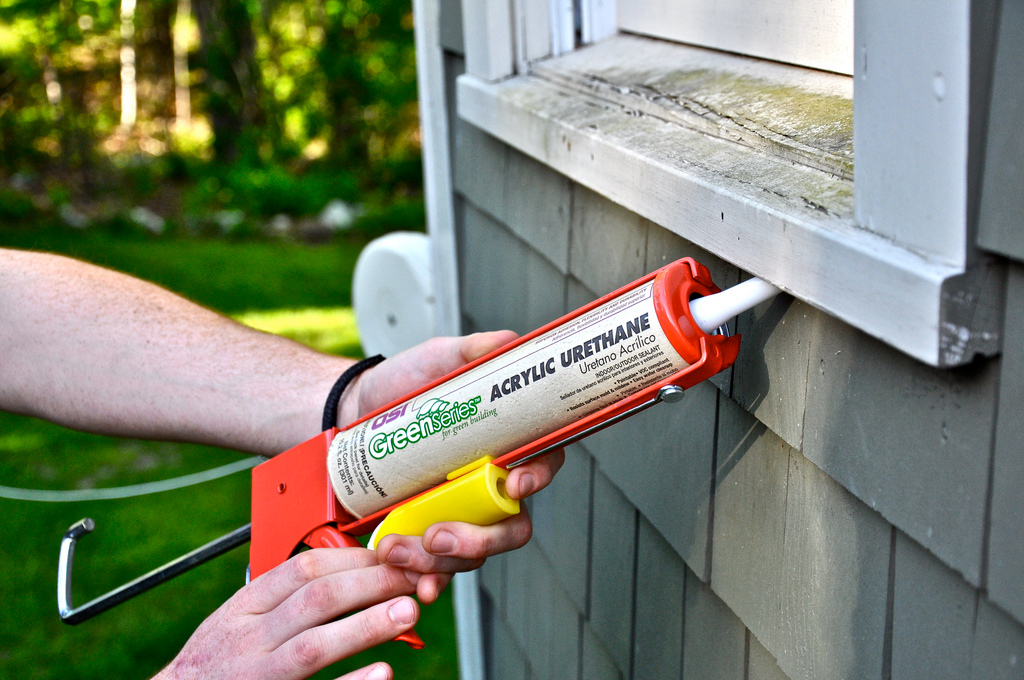
PROVIDENCE – After an admittedly slow start, the R.I. Office of Energy Resources has started using federal stimulus money to pay for weatherizing residences.
Kenneth Payne, the office’s administrator, said Wednesday the state paid for the weatherization of 160 housing units with stimulus money last month. “We’re completely up and running,” he told Providence Business News.
Rhode Island's Market Has Changed. Developers, Builders, Investors and Sellers Must Change With It.
By Emilio DiSpirito IV License Partner | Engel & Völkers Oceanside Leader | The DiSpirito…
Learn More
The federal government announced a year ago that Rhode Island would receive $20 million as part of the Weatherization Assistance Program.
But in a report released last week, the U.S. Department of Energy’s inspector general lambasted states for failing to get the program moving more quickly – and Rhode Island was one of five listed as having completed zero weatherization projects as of Feb. 16.
However, Payne said the inspector general likely used data from a quarterly report his office filed in December. At the time, Rhode Island had not finished work on any of the 2,532 units it planned to weatherize.
Since then, the energy office has distributed $12.2 million in funding to Community Action Program agencies around the state. They used the money to weatherize 160 units in January and are continuing to do so, Payne said.
Payne added that while the state weatherized no residences using stimulus money prior to January, it used regular funding sources to weatherize between 112 and 150 units per month last year, up from an average of 93 weatherizations per month in 2008 and an average of 97 in 2007.
Payne attributed the delay in using the stimulus money to the departure of former R.I. Energy Commissioner Andrew Dzykewicz last July and the subsequent absence of an official to oversee the program until Payne’s appointment last month.
“It’s not a mystery that just because of the turmoil here, we were a little bit slow in getting all the pieces together,” Payne said.
Nationally, the inspector general found that $368.2 million, or 8 percent, of the $4.73 billion set aside for the weatherization program had been spent. The most productive state was Delaware, which has completed 34 percent of its planned projects.
The Weatherization Assistance Program is not the only initiative facing delays at the Office of Energy Resources. A stimulus-funded program that would give rebates to consumers who purchase energy-efficiency appliances has faced multiple delays, as well.
At first, officials hoped to begin the rebate program this month. The start date has since been postponed twice, and the program is currently expected to get going in late March.
Payne said much of the delay in the rebate program stemmed from a last-minute change made by his office.
Rhode Island initially asked the federal government for permission to spend most of the money on rebates for heating appliances. But after a significant number of residents asked for rebates for dishwashers and other kitchen appliances, the state changed its allocation request.
Payne said it took time to redo the proposal, and that in turn delayed the hiring of a contractor to process the rebates. The state has now selected a contractor and is putting together a contract, he said.
Additional information is available at ri.gov and energy.gov.