
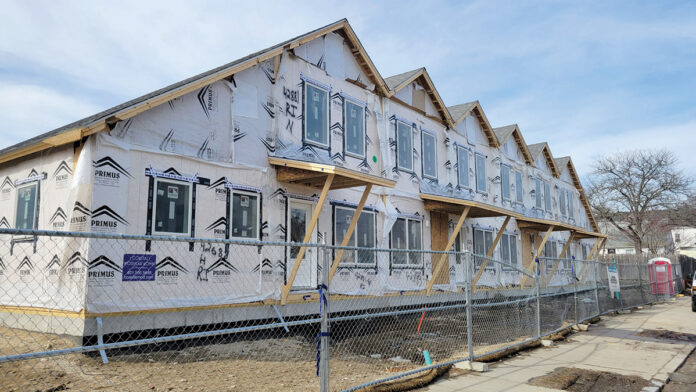
PROVIDENCE – Rhode Island has directed more than $600 million toward housing in recent years, but a new report finds the state is still producing relatively few new units. The Rhode Island Public Expenditure Council report released Thursday found that between 2021 and 2025 the state allocated a total of $644.1 million toward housing, including
Already a Subscriber? Log in
To Continue Reading This Article
Become a Providence Business News subscriber and get immediate access to all of our premier content and much more.Learn More and Become a Subscriber
- Critical RI business news and analysis updated daily.
- 1 year of print (26 issues).
- Unlimited access to all subscriber only content on our website, on any device.
- Free email alerts.
- Annual Book of Lists Print Edition.
- All special issues produced during subscription term.
Click Here to purchase a paywall bypass link for this article
PBN Branded Content
Your Business Has Gone Global. Has Your Insurance?
A decade ago, “doing business internationally” was mostly a large-company concern. Today, a manufacturer in…
Learn More












I am a Business Representative for the painters union and the organizing director for the RI Building and Construction Trades Council. I walk union and non union construction projects across the state every week of the year. I speak to construction workers and contractors daily.
The states strategy for housing production really needs some work.
RI Housing has a race to the bottom strategy for building housing and too many non profit developers have a phobia of trying something different.
The industry currently has a strategy of using low road contractors who do not have training programs in any meaningful way. They frequently utilize undocumented immigrant labor, pay low wages, do not offer benefits such as health care (so the state is also subsidizing that as well ultimately ). Safety on the sites range from moderately risky to down right life threatening.
A model based on exploitation of labor is not sustainable, has no answer for workforce development that is direly needed in the industry to replenish aging workforces, is morally wrong, and is ultimately very unproductive.
Utilizing labor standards such as responsible contractor ordinances would be a good first step in stopping the worst abuses. Mandating apprenticeship programs would allow for workers to learn skill sets in entry positions of the industry. Utilizing prevailing wages and project labor agreements would allow more housing to be built that is high quality and delivered on time and on budget.
The current system is broken, and change needs to come.