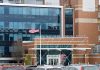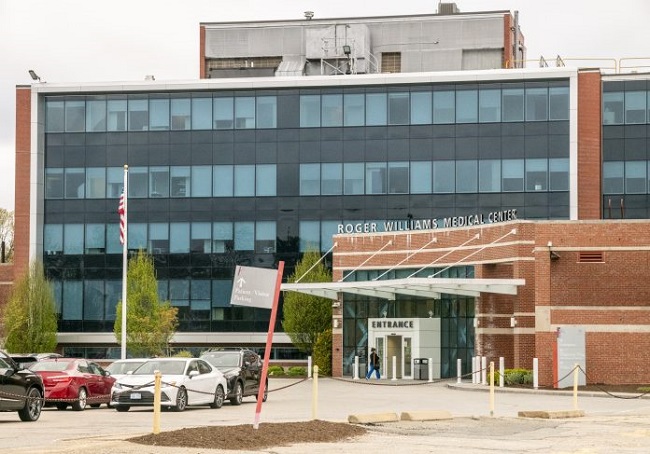
The prospective buyer of Roger Williams Medical Center and Our Lady of Fatima Hospital missed the final, court-ordered deadline to close the deal, leaving the fate of the two safety net hospitals in the hands of the state.
R.I. Attorney General Peter F. Neronha confirmed in a statement on Jan. 17 that The Centurion Foundation failed to meet the Jan. 15 deadline to cement its purchase of the two hospitals in Providence and North Providence. The due date was set under a Dec. 9 agreement between Neronha’s office and the attorneys representing the bankruptcy estate for their existing owner Prospect Medical Holdings.
Rhode Island's Market Has Changed. Developers, Builders, Investors and Sellers Must Change With It.
By Emilio DiSpirito IV License Partner | Engel & Völkers Oceanside Leader | The DiSpirito…
Learn More
The missed deadline now puts the onus on the state to take over hospital operations – and pay for the costs associated with payroll, taxes and insurance – by Jan. 30, as laid out in the December agreement. Neronha hinted previously that a court-appointed state receivership was possible if the Centurion deal fell through, but provided little detail.
“Centurion is free to continue to try to close, but we now have work to do and a deadline by which to do it,” Neronha said in an email Saturday afternoon. “My Office is working hard in consultation with other state leaders and I expect you will hear more about that next week.”
Preserving the pair of hospitals – with 500 beds, 50,000 annual emergency room visits and nearly 2,500 employees between them – has been a top focus of Neronha’s office, and, as scrutiny over the sale intensifies, Rhode Island officials more broadly. But none have put a price tag – at least publicly – on what the state is willing to pay to keep the hospitals running.
Gov. Daniel J. McKee’s proposed fiscal 2027 budget, unveiled on Jan. 14, one day before the Jan 15 deadline, did not include any money for the hospitals.
Meanwhile, Centurion appears not to have given up, still courting the investor-backed bonds needed to finalize its purchase.
“We are keenly aware of the bankruptcy court timetable,” Ben Mingle, Centurion CEO and president, said in a statement Friday night. “Our financing team…has had daily interactions with potential investors over the last several weeks with significant progress. This includes site visits by new, industry-leading investment groups just this week with very encouraging results. At the same time, we have been briefing State leaders almost daily on the status of these efforts and our plans to meet the bond sale target. The Team remains optimistic and we hope to provide a formal update next week.”
It’s a familiar promise for those following the yearslong saga of the local hospitals, where operational and financial mismanagement under Prospect and its former majority stakeholder, private equity firm Leonard Green, were well-documented.
The Centurion Foundation appeared to be a way out. The Atlanta nonprofit pledged to return the cash-strapped health care facilities to local control while injecting $80 million into immediate operations under the terms of the state’s June 2024 conditional approval.
But investors have been reluctant to back the bonds needed for Centurion to close, with credit rating agencies’ noting Centurion’s lack of experience in hospital ownership and the dismal outlook for health care facilities nationwide amid federal funding cuts.
The prolonged state of limbo frustrated hospital workers, health care advocates and public officials. But it proved most problematic for the more than 100,000 creditors owed up to $10 billion collectively from Prospect at the time it filed for Chapter 11 bankruptcy in January 2025. The bankruptcy estate initially signaled a desire to close the hospitals in October, but an interim agreement with funding partially provided by a state-controlled escrow account kept the doors open through Jan. 30.
But as of that date, the hospitals are coming off Prospect’s asset list, with all liabilities, costs and responsibilities transferred to the state of Rhode Island.
How the state will afford its new guardian duties is unclear.
Rhode Island officials have been on high alert for the pending sale, with Senate President Valarie Lawson calling it “the most pressing issue facing Rhode Island” in an interview after McKee’s State of the State address on Jan. 13. McKee briefly addressed the hospitals during the hourlong speech, pledging his administration will “do everything in our power” to keep the hospitals open.
Neronha and union leaders with the United Nurses and Allied Professionals, which represents more than 1,500 workers across both hospitals, have criticized McKee for failing to proactively take control of the uncertain situation, contrasting his leadership with Massachusetts Gov. Maura T. Healey.
Healey in 2024 offered a multimillion dollar state incentive package to entice buyers – including Brown University Health – after Steward Health Care filed for bankruptcy and sold its Massachusetts facilities.
Brian Daniels, director for the Rhode Island Office of Management and Budget, said Thursday the governor’s administration was working closely with Neronha’s office and the state Executive Office of Health and Human Services on “contingency planning.”
“We are monitoring what happens,” Daniels said. “We have some ideas.”
Nancy Lavin is a staff writer for the Rhode Island Current.