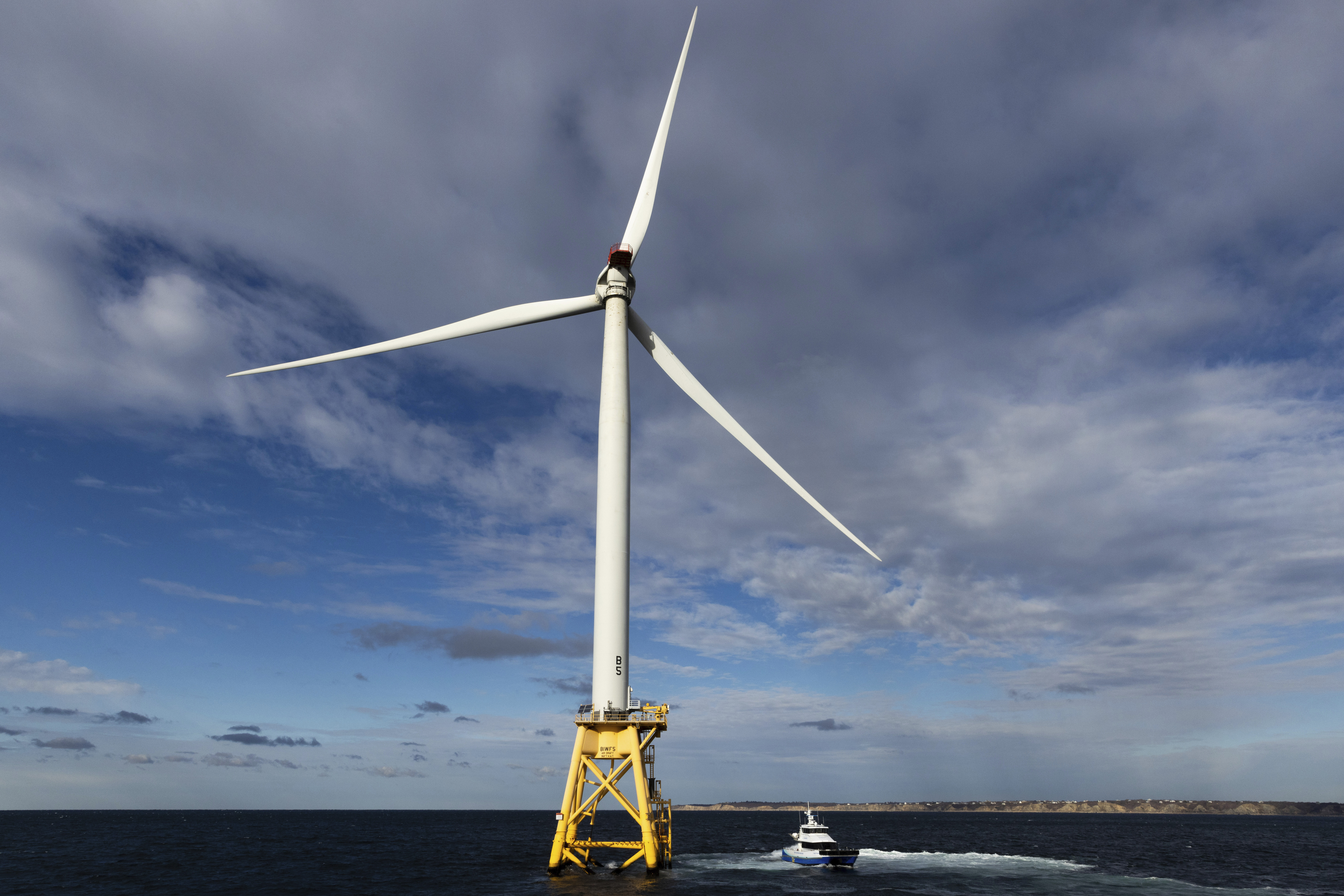
The developers of the Revolution Wind project and two attorneys general whose states were set to buy its electricity both filed lawsuits contending the same thing on the same day – that the Trump administration violated its constitutional powers in halting construction on the project – but in different venues.
On Sept. 4, the developers took their case challenging the Aug. 22 stop work order to Washington D.C. Hours later, R.I. Attorney General Peter Neronha and Connecticut Attorney General William Tong appealed to the Rhode Island federal courts to revive work on the 65-turbine project.
ISO 9001:2026: A Practical Opportunity to Build for What’s Next
For Rhode Island manufacturers, ISO 9001 has been much more than a certificate on the…
Learn More
Ahead of a Monday hearing in D.C. on the developers’ lawsuit, the U.S. Department of Justice is seeking to transfer the AGs case from Rhode Island to D.C., and consolidate the two complaints into one.
A 14-page motion filed on Wednesday in federal court in Rhode Island points to the similarities between the two lawsuits, as well as the D.C. court’s existing knowledge of the project, which has already been subject of legal complaints by the Preservation Society of Newport County and Green Oceans, a citizen-led anti-wind group based in Little Compton.
“Given the significant overlap between Revolution Wind and the States’ claims and requested relief, as well as [District of D.C.]’s existing familiarity with the Project and the issues raised in the States’ complaint, this Court should transfer this case to [the District of DC,]” Justice Department lawyers wrote. “Federal Defendants thus expeditiously move to transfer this case to D.D.C. to ensure the two cases can be litigated efficiently and to avoid inconsistent judgments on the same set of facts and issues.”
Megan Skinner, a spokesperson for Neronha’s office, said in an email Friday the AGs will submit a written response to the court by Oct. 1.
However, in the initial complaint filed in Rhode Island, Neronha and Tong justified the decision to file in Rhode Island, rather than D.C. because of the Ocean State’s proximity to the project. Revolution Wind sits 15 nautical miles south of Rhode Island, with the bulk of the port activity transferring workers and equipment to and from the project taking place in Rhode Island and Connecticut. More than 1,000 union laborers across both states now stand to lose the jobs they already lined up if the project does not resume. The abrupt halt to the project has also put both states’ climate change mandates in jeopardy and could cost regional ratepayers more than $500 million a year without the 704 megawatts of renewable energy the project is set to produce at its maximum.
“A substantial part of the events or omissions giving rise to this Complaint occurred and continues to occur within Rhode Island,” the AGs wrote. “Rhode Island is the “State nearest the place the cause of action arose.”
While the project developers have also described environmental and labor consequences in their own lawsuit, their case features much more information about the financial losses the companies will incur on their $5 billion investment – $2 million in losses a day on work and equipment contracts for every day of the pause, along with an estimated $1 billion in “breakaway costs” if the project is canceled.
Chris Raia, a spokesperson for Orsted A/S, the co-developer of the project, declined to comment Friday, citing the pending litigation.
There is no deadline for U.S. District Judge Mary S. McElroy, who is presiding over the AGs case in Rhode Island, to rule on the Justice Department’s motion to move the case, Frank Perry, chief deputy clerk, said in an email Friday.
Nancy Lavin is a senior staff writer for the Rhode Island Current.