Providence’s noise-camera pilot program is moving toward implementation in 2026, but questions about value, effectiveness and equity continue to stir debate.
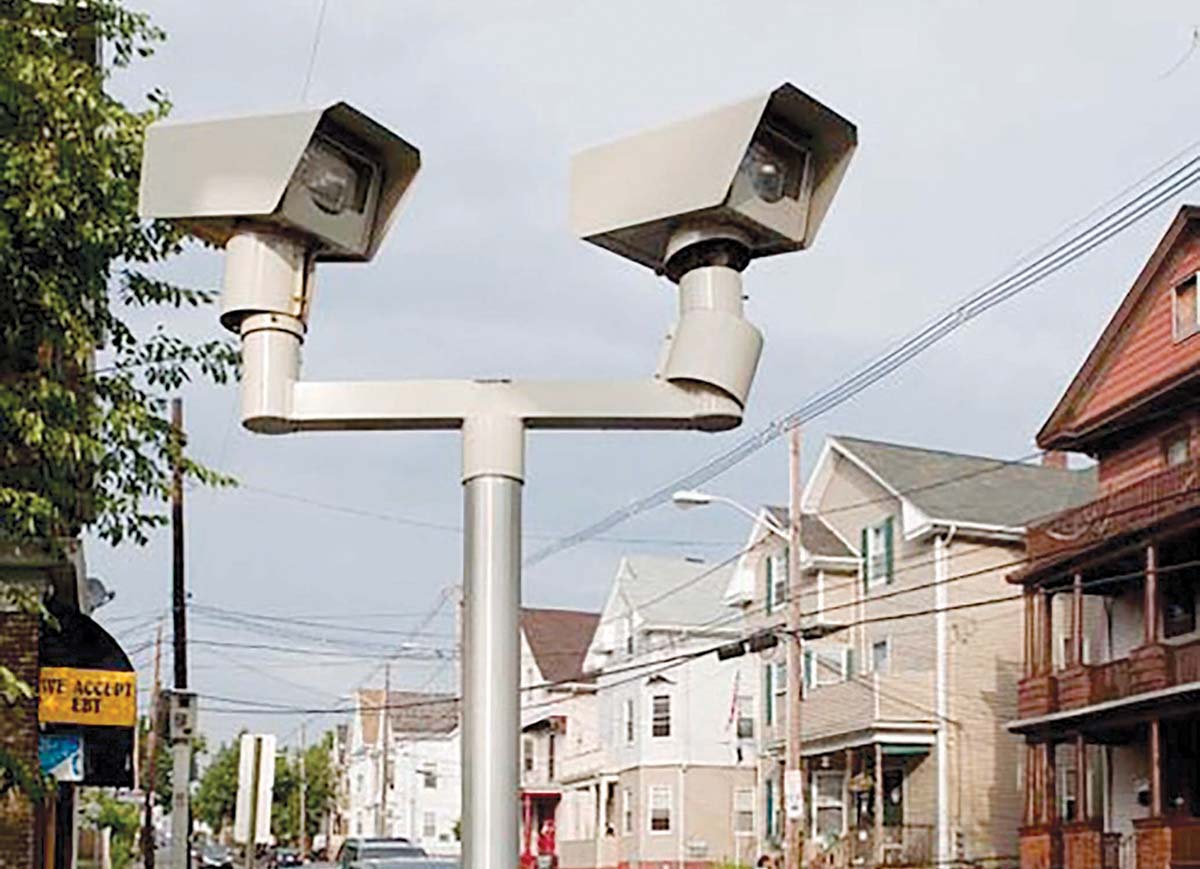
The $180,000 initiative aims to quiet city streets plagued by excessive vehicle noise – from loud exhaust systems to amplified car stereos. It’ll be another test of automated enforcement in a city that has already deployed speed and red-light cameras.
Mayor Brett P. Smiley, who first proposed noise cameras in January 2024 while promising fair, data-driven placement of the cameras, had projected that “sound camera” revenue would reach $100,000 in the current fiscal year and again in fiscal 2027.
But skeptics such as City Councilwoman Susan AnderBois say the pilot program needs careful scrutiny before expanding citywide.
“The initial proposal from the mayor was larger, but for fiscal responsibility to constituents, we need to evaluate carefully. If noise is an issue, is it more expensive to solve than the problem itself?” said AnderBois, who also sits on the council’s finance committee and is running for lieutenant governor. “My constituents care about this. If we find this isn’t a good investment – even if it changes behavior and generates revenue – that will need to be part of the evaluation.”
Aaron Ley, University of Rhode Island associate professor of political science, cautioned that the $100,000 projection may be overly optimistic.
Ley said the noise camera program launched in Newport in 2023 led to 10 warnings and eight municipal court summonses in 2024.
At $250 per ticket – the Newport rate – even full enforcement would only generate a fraction of Providence’s projected $100,000 annual rate. Smiley said the city’s pilot program will likely start with only warnings, with fines escalating from $500–$1,000 for repeat offenders.
“From an administrative standpoint, I can’t imagine this will make a lot of revenue,” Ley said. “The real value is behavioral change: fewer complaints, quieter streets and the ability to shift police resources more efficiently.”
He also stressed equity concerns, noting that older vehicles could disproportionately bear the brunt of enforcement.
“You need someone to collect and analyze the data to see who’s impacted,” Ley said.
The business community hasn’t objected publicly to the proposal for noise cameras, although there has been no in-depth information about what the city has planned, according to one business leader.
“The businesses seemed in favor of it,” said Rick Simone, managing director of the Rhode Island Small Business Coalition. “But we haven’t been able to get many new details since then.
“No one [in RISBC] is in favor of more noise,” he said. “We are in favor of enforcement, but where and how that looks is something we want to be involved with. We want more input.”
John Wilner, communications coordinator for the nonprofit volunteer group Providence Noise Project, which advocates for a quieter city, characterized the pilot as overdue, but he also emphasized that the success of the pilot will depend on where the cameras are placed.
“Where are these noise cameras going to be located?” Wilner asked. “Ultimately, that placement will determine whether this program actually changes behavior or generates citations.”
The city opened three bids for the one-year pilot on Oct. 20, with a vendor set to be selected by year’s end.
“We must evaluate how these vendor contracts look,” AnderBois said. “These companies typically get a good percentage of revenue. That money needs to flow back to the city and residents.”
Even if the pilot moves forward, any revenue could take time to materialize, observers say. Formal citations aren’t expected until spring or summer 2026.