City officials have released a new cultural plan they are hoping will work as a framework to guide policies and investments in the arts and culture sectors in Providence for the next 10 years. Writing the plan was the first step, but what comes next?
“The important work now is disseminating the plan,” said Joseph Wilson Jr., director of the city's Department of Art, Culture and Tourism. “Letting folks know that they’re not having these conversations alone.”
The 57-page plan, titled PVDx2031: A Cultural Plan for Culture Shift, released by the city’s art, culture and tourism department – or ACT – on March 1 was the product of over two years of conversations among multiple stakeholders on all levels of the creative sector, from city officials to small local artists.
Among the components of the plan are recommendations to support and cultivate the city’s creative workforce and the creative economy, and recommendations on how the creative sector can help boost tourism.
“It’s a misunderstanding of the plan to think of it as just ACT’s plan,” said Micah Salkind, deputy director of ACT. “It really is a collective project and we're delighted to be the stewards of it and to hold ourselves accountable for the parts that we are responsible for. But if the community doesn't understand that this is something that they co-articulated and co-own, it's going to fall short of its goals.”
Mayor Brett Smiley echoes the sentiment. While several items in the plan will have to be funded through the city budget, grants and American Rescue Plan Act funds, he said, the plan requires “collaboration across our entire community” to be successful, from schools and nonprofits to neighborhood groups and creative businesses.
The hope is that the plan will serve as a blueprint for investments in the city’s arts and culture sectors, including ways to invest funds from the American Rescue Plan Act. In this sense, part of the plan has already been implemented, as the ACT awarded more than $5 million in COVID-19 relief dollars to the creative sector.
But it’s important not to see this plan exclusively as a “how to” guide to direct state and federal funding, Wilson says. The goal of the plan is much broader.
“The success of this plan rests in the federal, state and local governments understanding the value of the art worker,” Wilson said. “The success of this plan and our capacity to operationalize this plan will come through us continuing to garner support through the private sector, through other nonprofits.”
Recognizing the value of the artist is also essential to stimulate and grow the creative economy, one of the plan’s pillars. This means ensuring artists have access to livable wages, health insurance and the resources they need to continue producing art.
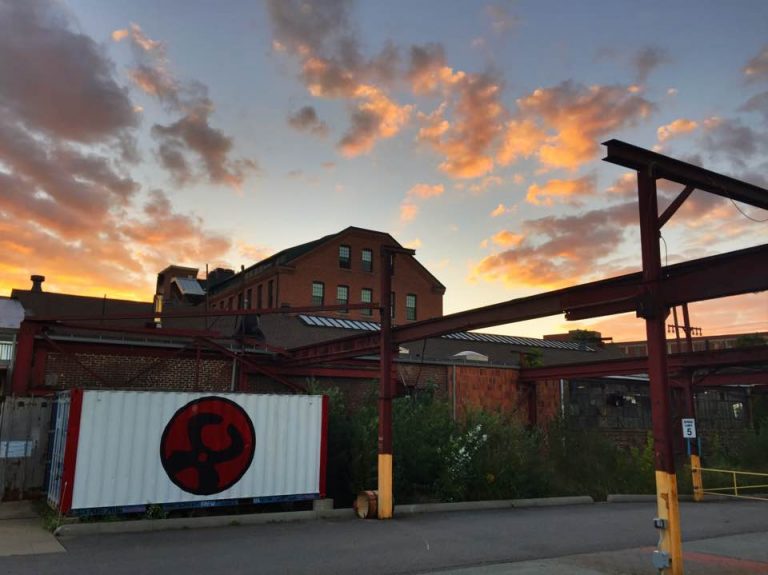
“It’s the artists and the cultural events and activities that are going to drive the economy,” said Howie Sneider, executive director of The Steel Yard, one of the organizations called to represent the artists’ perspectives during the drafting of the plan. “This cultural plan is very clear that it’s calling for support and small-business support for artists and cultural workers at many different scales in their careers.”
It also means redefining what it means to be a creative worker.
“The idea of the struggling artist has come and gone,” said Wilson, who himself has been a worker in the sector for more than 30 years. “The value of my art or the meaning of my art should not be embedded in this idea of struggle and strife.”
Another way to stimulate the economy is by investing in pathways for artists from every community. This goal is driven by the plan’s focus on racial equity, which calls for the state and the city to prioritize those communities and individuals who are most impacted by systemic oppression.
“A key piece of the cultural plan is developing more accessible and visible pathways to employment opportunities in arts and cultures and beyond,” said Janella Watson, board chair at the community arts nonprofit AS220. “It’s invaluable for the city and the state to make investments in making those pathways more equitable and not only available to the folks who are resourced enough to be able to navigate them.”
PVDx2031 initially got off the ground during former Mayor Jorge O. Elorza’s administration, and the change of leadership at City Hall doesn’t worry those involved with the plan, who believe it will withstand further transitions over the next 10 years.
Wilson says the plan and its recommendation have the support of Smiley’s administration.
“While the plan was drafted by the previous administration, it is still aligned with my vision of a brighter future of our city,” Smiley said. “I am committed to building up our creative workforce and their contributions to our economy, and supporting placekeeping in our neighborhoods that will strengthen our reputation as the Creative Capital. Providence arts scene is an invaluable part of our identity as a city, so I look forward to seeing PVDx2031 implemented in the years to come.”
Watson says the involvement of multiple groups, including artists and representatives of the sectors, will ensure the plan’s goals are seen through.
“There are more stakeholders around the table with a sense of ownership and accountability to seeing the goals of this plan through,” Watson said. “That may lessen the impact of shifting from administration to administration as this plan is adopted and actualized over the next decade.”
Maybe they can get Cicilline to fund it when he takes over RIF.