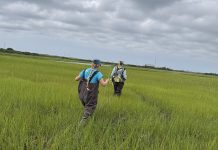
SOUTH KINGSTOWN – After repeated visits to 88 separate wetlands in Rhode Island over three years, recent University of Rhode Island wildlife conservation doctoral graduate Scott Buchanan found the habitat of the indigenous spotted turtle has decreased.
During this time, Buchanan, with the aid of associate professor Nancy Karraker, captured nearly 2,000 turtles – 50 of which were spotted turtles. The largest populations of spotted turtles, he said, were found in locations where human disturbance has been minimal, including wetlands in forested landscapes.
ISO 9001:2026: A Practical Opportunity to Build for What’s Next
For Rhode Island manufacturers, ISO 9001 has been much more than a certificate on the…
Learn More
“Now it’s a matter of managing those landscapes in an appropriate way,” he said.
In addition, he added, spotted turtles “will command a formidable sum in the pet trade, which is unfortunate.”
In order to protect this species, said Buchanan, humans first have to preserve wetlands and minimize fragmentation of the land surrounding those areas.
Emily Gowdey-Backus is a staff writer for PBN. You can follow her on Twitter @FlashGowdey or contact her via email, gowdey-backus@pbn.com.