CRANSTON – As the state’s hospitalizations have nearly doubled in the last month, Rhode Island’s health care and state leaders made it clear on Friday morning: They are prepared to open a field hospital for the first time since the coronavirus outbreak started in March.
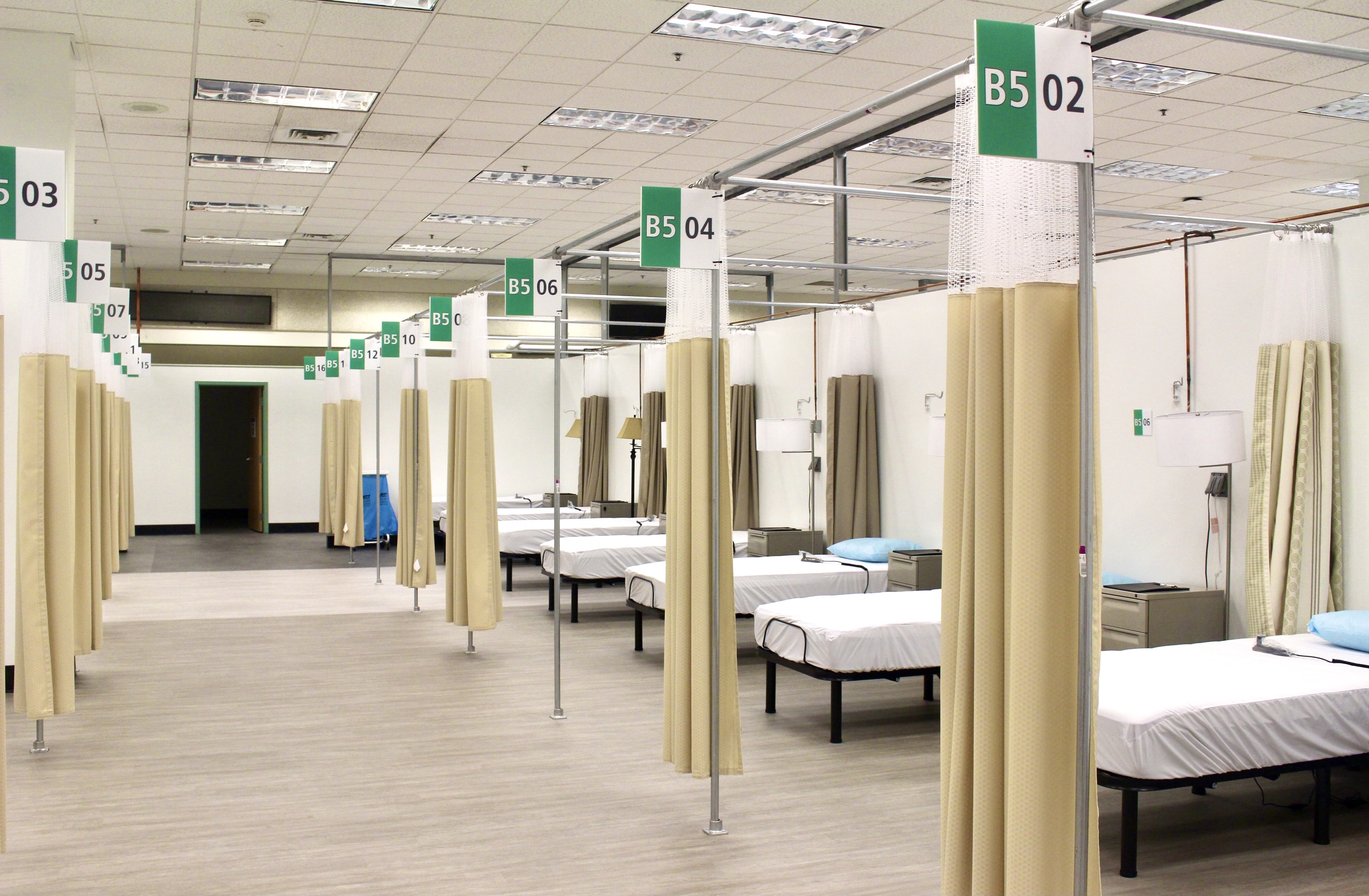
First constructed in mid-April, the Cranston field hospital, managed by the Care New England Health System, has never seen a single patient. However, reporters were allowed inside Friday morning.
Your Business Has Gone Global. Has Your Insurance?
A decade ago, “doing business internationally” was mostly a large-company concern. Today, a manufacturer in…
Learn More
The field hospital, once viewed as a last resort if hospitals experienced a flood of patients, may be opening within the next couple of weeks.
“We will be ready when they need us to be ready,” said Dr. Laura Forman, chief of emergency medicine at Kent Hospital and will be in charge of the field hospital as medical director when it opens.
She said the last requirement before opening to patients is finding additional medical professionals, which she said will be more difficult in the spring. She reiterated Gov. Gina M. Raimondo’s sentiments Thursday, calling all medical professionals to help.
However, they’re expecting staff to be spread thin.
Forman said staffing levels won’t be the same as a regular hospital.
“We do not have the staffing,” said Forman. During daytime hours, Forman estimates one physician would care for 50 patients, while overnight hours would increase the number of patients per physician.
One nurse could be in charge of 25 patients.
“That’s a tremendous amount of work for the staff. That is one of many things that will be different here than in a traditional hospital,” said Forman.
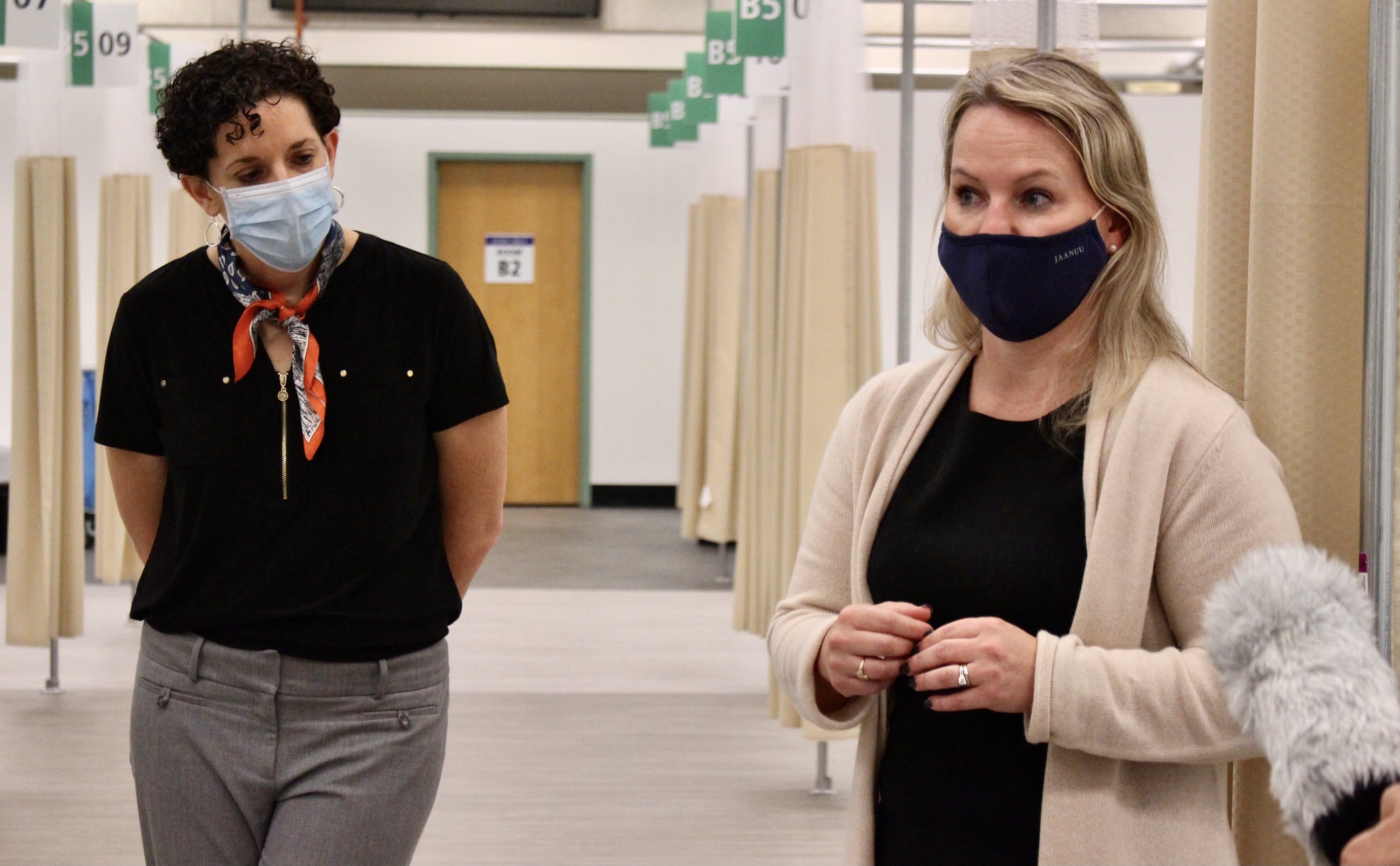
Shannon Sullivan, CEO of Women & Infants Hospital said that for patients, it will be a difficult setting.
“This isn’t the setting that they’re going to be use to being admitted to,” said Sullivan. “It’s going to be a little bit disorienting, I imagine. But I think we can provide good care here.”
Sullivan said it was the goal to keep patients in the hospital for as short of a time as possible by stabilizing patients and giving them the care they need, such as oxygen at home. When asked for how short of a time period, Sullivan said it’s depending on the patient, but has a goal of an average stay of four days.
The average length of stay in Rhode Island’s hospitals are three-to-four days no matter what the patient is being treated for now, according to Sullivan.
The 353-bed hospital is the site of a former Citizens Bank Call Center, and was allegedly filled with cubicles when CNE leaders first arrived. It took the system three weeks to construct it into a working surge hospital.
Each bed has access to oxygen, a three-drawer nightstand, lamp and outlets for electronics, which Forman encourage people to bring in order to keep in touch with loved ones. Family members will not be allowed inside.
Other than that, Forman said patients admitted into the field hospital to “bring as little as possible.” Sullivan said she would encourage patients to only bring in the clothes they are wearing on their body the day they are admitted as medical gowns will be provided for each patient.
“And maybe a book they don’t mind burning at the end,” said Sullivan.
The beds were divided into three pods; A, B, and C and are color-coordinated. Each pod is split into multiple different hallways with 18 beds on on side and 10 on the other with nursing stations set in the middle.
The “C” pod will open first for its proximity to the discharge lounge and the pharmacy, it’s close to where patients will enter, a built-in critical-care room and security hub, according to Sullivan.
Brett Smiley, the director of the R.I. Department of Administration said the Cranston field hospital cost $8 million in set up and will cost about $3 million per month to operate without patients. If the hospital fills to capacity, it will cost about $15 million each month. Much of the construction will be reimbursed by the Federal Emergency Management Agency.
For Forman, who has worked overseas in refugee hospitals, opening this field hospital could have been preventable if people followed public health guidelines.
“This field hospital didn’t need to be here,” said Forman, and said difficult medical decisions could be ahead. “We could have avoided all of this.”
Alexa Gagosz is a PBN staff writer. Contact her at Gagosz@PBN.com. You may also follow her on Twitter at @AlexaGagosz.