From its lighthouses to its seaside village, Block Island is steeped in history. It seemed only fitting then when the R.I. Historical Preservation & Heritage Commission announced it plans to hold its annual Rhode Island Statewide Historic Preservation Conference on the island on April 30.
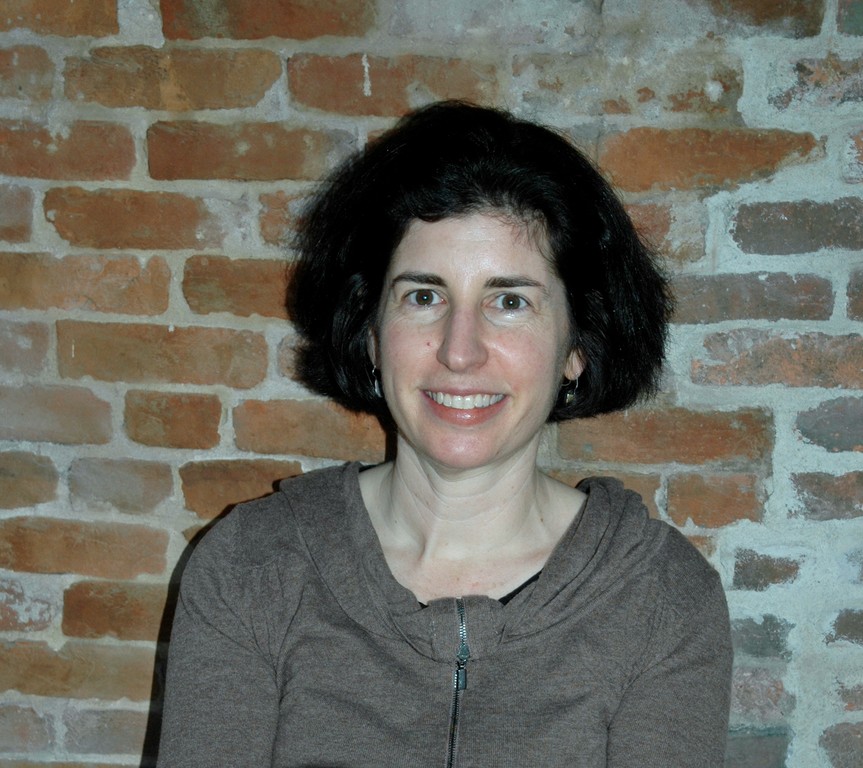
Special Projects Coordinator Sarah Zurier recently spoke with Providence Business News about the conference and the decision to hold it on the island.
PBN: First off, can you tell us a little about what’s on the agenda for the 26th annual Rhode Island Statewide Historic Preservation Conference?
ZURIER: This year’s conference takes up the theme “Destination Block Island: Tourism and Community in a Historic Place.” We want to talk about how historic destinations are sustained both by visitors seeking a special experience and by residents maintaining their community day in and day out.
There will be plenty of opportunities for participants to be a tourist for the day. Some of our tour destinations include the newly restored North Light, Southeast Lighthouse, the Old Harbor Historic District and the Block Island Greenway. And there will be sessions to discuss some of the challenges that Block Island and other Rhode Island communities face — locating wind turbines in historic places, running a historic hotel, advocating for historic preservation.
Plus we can talk about some of the things that make Block Island unique like its Native American history and role in the Pequot War of 1636-38 and the success that public and private partnerships have had in preserving more than 43 percent of the island’s open space.
The Saturday conference is the centerpiece of a preservation weekend on Block Island. On Friday evening, there will be a free presentation on “Portraying Place, Preserving Place.” The idea for this event originated with Dr. Gerald Abbott, the president of the Southeast Lighthouse Foundation and Block Island Historical Society.
About 25 years ago, Gerry asked artist Gretchen Dow Simpson to create an image for a poster that would assist the campaign to rescue the Southeast Lighthouse from the eroding Mohegan Bluffs. Her portrait of the lighthouse and her depictions of local vernacular buildings have since become part of the visual language of Block Island. Gerry, Gretchen, and RIHPHC Executive Director Ted Sanderson will discuss how personal experience, visual expression, and historic context come into play in depicting a place like Block Island. This event is organized by the Southeast Lighthouse Foundation, Block Island 350th Anniversary Committee and the RIHPHC thanks to a grant from the Rhode Island Council for the Humanities.
On Sunday, the Block Island 350th Anniversary Committee is coordinating additional tours and open houses. Sunday offers one more chance to visit the lighthouses, tour Old Harbor, or visit some sites not open on Saturday, like the Abrams Animal Farm and Beacon Hill Tower.
Beyond Cash Donations: How New Forms of Giving Are Transforming Not-for-Profit Accounting
Evolving Funding Landscape for Not-for-Profits Not-for-profit organizations are being asked to do more with less,…
Learn More
PBN: Why hold it on Block Island? Have you held a conference there before?
ZURIER: The idea for a Block Island conference had been brewing for a while. In 25 years, the conference has never been held there, even though Block Island has a thriving historic district, a well-preserved collection of historic resort architecture, and outstanding success in conserving landscapes. The island has some very dedicated — and very persuasive — preservationists. People like Gerry Abbott, Block Island Historical Society director Pam Gasner, longtime New Shoreham Historic District Commission Chairman Bill Penn, North Light Chairman Rob Gilpin, and the island’s Nature Conservancy Director Scott Comings.
When we visited the island this fall, Conference Coordinator Janet Balletto and I found some terrific venues and a lot of people who wanted to work with us. The owners of the Spring House Hotel and the Hotel Manisses/1661 Inn offered their magnificent historic hotels to host our lunches. The town of New Shoreham — especially Shirlyne Gobern and the members of the Historic District Commission — has been very supportive. And when we learned that Block Island was celebrating its 350th anniversary all year round, it worked out that the preservation conference would kick off a year’s worth of programs.
Also, many conference-goers had been asking for a weekend-long event. The beauty of the Rhode Island conference is that we can offer a chance for our audience to spend a day exploring a place that may be relatively unknown to them — Westerly, Little Compton, Woonsocket, etc .— and they can return home at the end of the day. Some people wanted the chance to stay over, so we are experimenting with a three-day event. I can’t believe how many people have told me that they have never been to Block Island before. That’s Rhode Island for you.
PBN: How many people do you expect to attend and what types of industries will they represent?
ZURIER: This year we are aiming for about 400 participants. While some years the conference has drawn upward of 500 people, this year is different. The logistics require a smaller conference. After counting bus seats and securing lunch venues, Janet (Balletto) found that 400 was the maximum. On the other hand, we will offer more tours this year than ever before so that people get a chance to experience the island firsthand.
Our audience is quite the mix. We’ll expect architects, developers, contractors, museum professionals, craftspeople, planners and advocates. We can count on Salve Regina University and Roger Williams University to send student volunteers from their historic preservation programs each year. And we hope to attract people from Block Island who want a unique chance to learn about their island’s history and architecture.
PBN: What’s the importance of gathering people together in person to discuss historic preservation? Why not do it via e-mail or through a publication?
ZURIER: There are two main reasons for an in-person, on-site conference. The first is people-to-people contact. RIHPHC Executive Director Ted Sanderson likes to say that the conference is a family reunion for Rhode Island preservationists. Every year, the conference gathers people interested in preservation together to hear about current issues and to catch up with each other. In addition to the organized programming, we make sure that there is plenty of spare time to chat and network.
The second is people-to-place contact. Preservationists want to experience places firsthand. Reading an article or looking at a screen is no substitute for going on a tour of a historic site with an expert guide. That’s why whenever we offer a tour with RIHPHC architectural historian Mack Woodward or RIHPHC archaeologist Paul Robinson, the tours sell out immediately. The conference is a convening of people and places.
PBN: The conference will come as state lawmakers discuss the state budget. What are some of the conference topics that are relevant to Rhode Island right now?
ZURIER: Some of the most timely topics relate to wind energy and tourism. Wind energy is a critical issue for historic communities like Block Island. Deepwater Wind is planning a wind farm approximately 3 miles off the island’s southeast coast. When Rhode Island assesses the potential impact of projects like Deepwater Wind, we consider not only economics, environment, and energy but also the potential effect on historic resources.
For instance, how will views to and from Block Island change? What are the historic underwater resources that might be impacted by this offshore installation? RIHPHC Deputy Director Rick Greenwood, RIHPHC Archaeologist Charlotte Taylor and PAL Senior Architectural Historian Virginia Adams will lead a discussion of the relevant preservation issues in places like Block Island, North Kingstown, Tiverton, and Aquidneck Island.
Going back to your first question, the main theme of the conference is how to balance tourism and community in a historic place. Tourism is our number-four industry in Rhode Island, because there are so many great destinations throughout the entire state. Visitors seek out the landscapes crisscrossed with old stonewalls, the distinctive architecture, the unique neighborhoods, and historic sites. They find that Rhode Island’s cities and towns aren’t static museums but living, active communities. Block Island is a leading example of how local citizens and businesses do the real work of preserving Rhode Island’s distinctive sense of place.
Of course, a lot of people will be talking about how to bring back the historic tax credits. Historic preservation in Rhode Island means jobs and development as well as heritage. Restarting the historic tax credits could help restart the state’s economy.