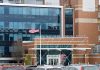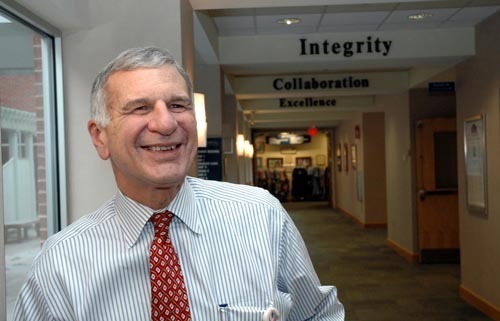
The South County Hospital is, like all the state’s community hospitals, equipped with the broad range of facilities and services one would expect in this day and age: an emergency department, intensive care unit, maternity and pediatrics, orthopedics, cancer treatment and an outpatient diagnostic center. It also has a full range of surgical and other services, including cardiopulmonary rehabilitation, occupational health services and home-health services through visiting nurses and South County Quality Care.
However, because preventive medicine is so important, a big part of the hospital’s mission is to promote wellness and education throughout the community.
“The mission of this hospital is to treat people regardless of their ability to pay. That’s what a community hospital is about,” said Louis Giancola, president and CEO of the hospital.
The hospital’s community-outreach programs offer locals a constantly changing schedule of events designed to improve quality of life for everyone. Free health screenings, lectures, workshops, classes and literature make it easy for those without health insurance to monitor their physical condition free of charge.
“We just had our annual women’s-wellness day and [more than] 200 people attended. This is just one example of how the hospital works to serve the community,” said Martha Murphy, director of communications and marketing for the hospital.
The daylong women’s program, which takes place once a year, conducts presentations and workshops on subjects including menopause, sleep disorders, cancer prevention and treatment, as well as heart health. “How to Live Your Best Life” is quickly becoming a favorite way for local ladies to spend the day learning. This year, guests were treated to a chair massage, lunch, a tote bag full of information and a cooking demonstration by this year’s keynote speaker, Mary Ann Esposito of Ciao Italiana on PBS.
But “Women’s Day” is just one of many different programs offered by the hospital. Men without health insurance can go to the hospital once a year for a free prostate cancer screening and no appointment is necessary.
“We feel it’s important to improve the quality of lives for everyone and not just treat sick people,” Giancola said.
Hospital staff and volunteers offer skin-cancer screenings, blood pressure and cholesterol clinics, and a number of free lectures on subjects including diabetes management, osteoporosis, heart disease, cancer, and for adolescent girls, a special program called “becoming a woman.” The facility also has vast resources of literature and health information.
“This hospital has always been very involved in the community,” Murphy said. “In fact we never realized how much we do until we filled out the application for the Community Involvement Award.”
In addition to its numerous in-house services, members of the hospital staff (as well as a large base of volunteers) regularly hold health-based, community-oriented events at local libraries and screening and education programs at senior centers.
All age groups are included with a variety of volunteer-based programs designed to enhance the community surrounding the hospital. One of the more recent additions to the long list of programs is aimed at students from grades one to 12. The student art program encourages art teachers and their students from local schools to enter artwork for gallery display in the hospital’s main hall.
“When new exhibits come in, the others are relocated to various areas throughout the hospital to bring a little cheer to patients,” Murphy said.
Other events include an annual Thanksgiving awards ceremony that celebrates community volunteers, including members of organizations such as Habitat for Humanity and Narrow River Preservation. Fundraisers are held year-round and proceeds are donated to a number of organizations, while food drives benefit local food pantries.
The hospital is proud to have approximately 300 volunteers (many of whom are senior citizens), and Giancola said if they were paid for their combined efforts it would cost the hospital an additional $350,000 per year.
“Generally the first person you meet when coming into the hospital is a volunteer greeter, and they set the tone for the kind of care we provide,” Giancola said.
Another hospital-sponsored program designed to assist the community is the “Wave Van,” a hospital-owned van that’s available to offer free transportation to and from appointments, treatments and procedures for those who might not have a way to get there.
When he took the helm eight years ago, Giancola said it was his goal to reinforce the tradition of community service and education. Last year Rhode Island hospitals lost $30 million in state aid as the result of budget cuts and all are feeling the financial strain.
“Naturally we were tempted to cut out some things that don’t generate revenue,” Giancola said, “but we believe the health of a community begins with education, and with their support we will continue to provide all of the preventative screenings and outreach programs people have come to rely on.”
He also praised the hospital’s information-packed Web site, which offers wellness information and facts on cancer, diet and exercise and numerous other subjects (the site also has information on how to become a volunteer).
Giancola himself contributes a regular feature to the Narragansett Times entitled “For the Health of Our Community.”
Murphy looks at the hospital being named the winner in the Community Involvement category in Providence Business News’ Business Excellence Awards program as well deserved, because “we really connect with the community, in tangible ways, daily.” •