Miriam Hospital in Providence has been chosen to be part of an international Phase II trial for a new “global” HIV vaccine that, if proven effective, could be used to fight AIDS around the world, because it includes pieces of the HIV strains responsible for the vast majority of infections.
Vaccines are tested in three steps: first strictly for safety, with only a small number of healthy subjects; then for safety and immunogenic effects (antibody creation, cellular responses), with hundreds of subjects; then for effectiveness against the targeted virus.
This study will involve 480 people in North America, South America, the Caribbean and Africa. Six sites are participating in the United States, including Miriam. Worldwide, there are only four Phase II HIV vaccine trials under way, and this one is particularly high-profile.
Your Business Has Gone Global. Has Your Insurance?
A decade ago, “doing business internationally” was mostly a large-company concern. Today, a manufacturer in…
Learn More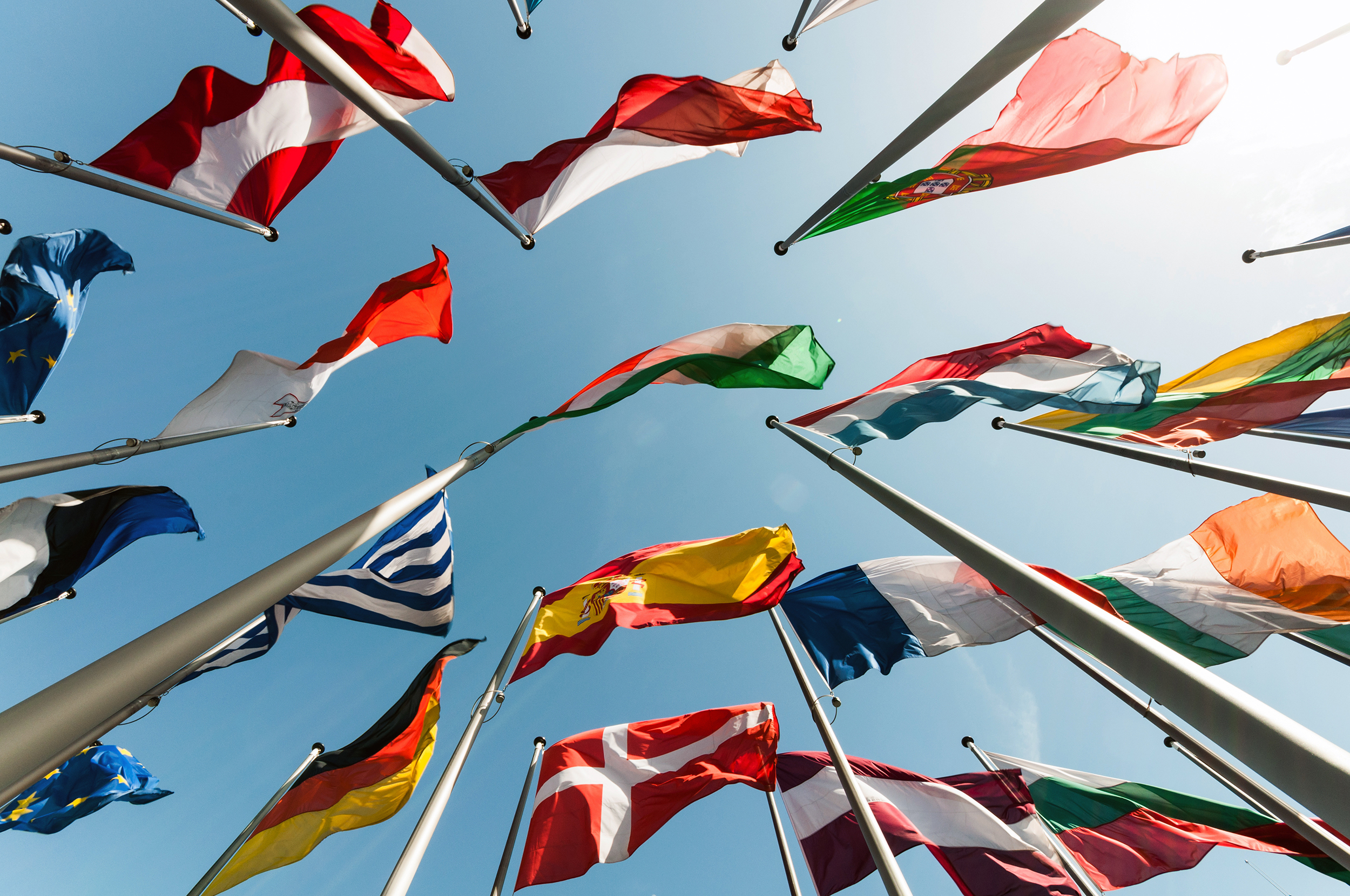
“This is the first Phase II study of a vaccine candidate that is broadly relevant to the global AIDS pandemic, because it combines components of HIV strains found throughout the world,” said Dr. Gary Nabel, director of the National Institute of Allergy and Infectious Diseases’ Vaccine Research Center, which developed the vaccine.
Dr. Anthony S. Fauci, director of the institute, called the trial “an important step in the advancement toward an AIDS vaccine.” Along with this study, two other clinical studies on the vaccine will be taking place simultaneously – a Phase I study in Kenya and Rwanda, led by the International AIDS Vaccine Initiative, and Phase I and II studies in Uganda, Kenya and Tanzania led by the U.S. Military HIV Research Program.
Miriam, which has been involved in HIV vaccine research for a decade, is participating in this study as a member of the HIV Vaccine Trials Network. Dr. Michelle Lally, an infectious disease expert at the hospital and assistant professor at Brown Medical School, said Miriam has been part of several Phase I trials, one Phase II and one Phase III trial before.
The hospital was not involved in Phase I testing of this compound, but it did work with a “very similar” vaccine, Lally said, “so we’re very comfortable with the product concept.”
The challenge now, she said, is to find willing participants. It’s always “very difficult,” Lally said, because there’s a stigma attached to HIV and AIDS, and there are also misconceptions about the vaccines, which some people wrongly fear could infect them with the disease.
Unlike old-style vaccines that people are familiar with, the HIV vaccine that Miriam will be testing doesn’t include a live virus or attenuated virus, or even pieces of a real virus – just synthetic replicas of virus pieces from different HIV strains, Lally said.
As a result, she said, there’s no risk of HIV infection – just the usual potential discomfort associated with vaccines, such as pain at the injection site and sometimes flu-like symptoms.
Volunteers are being asked to make a yearlong commitment. In the first six months, they would get four injections – half the participants will get the vaccine, half a placebo; then they’ll be tracked for another six months. Several times, they’ll have blood drawn.
People will be compensated for their time, Lally said, but if they have 9-to-5-type schedules, they may need to take time out of work, because some of the lab work has to be done during specific hours. Asked whether she expects particular types of people to be more likely to sign up, Lally said it’s always “a complete mix.”
Often it’s people “who know somebody (with AIDS) or who have traveled internationally and have seen firsthand what HIV has done,” Lally said. “I think people just don’t understand how much of a problem HIV still is in the world.”
A record 3.1 million people died of AIDS in 2004, the highest number for any year since the epidemic began.
“In our HIV clinic here at Miriam Hospital, we still see at least two new infections per week, so it’s not gone,” Lally said.