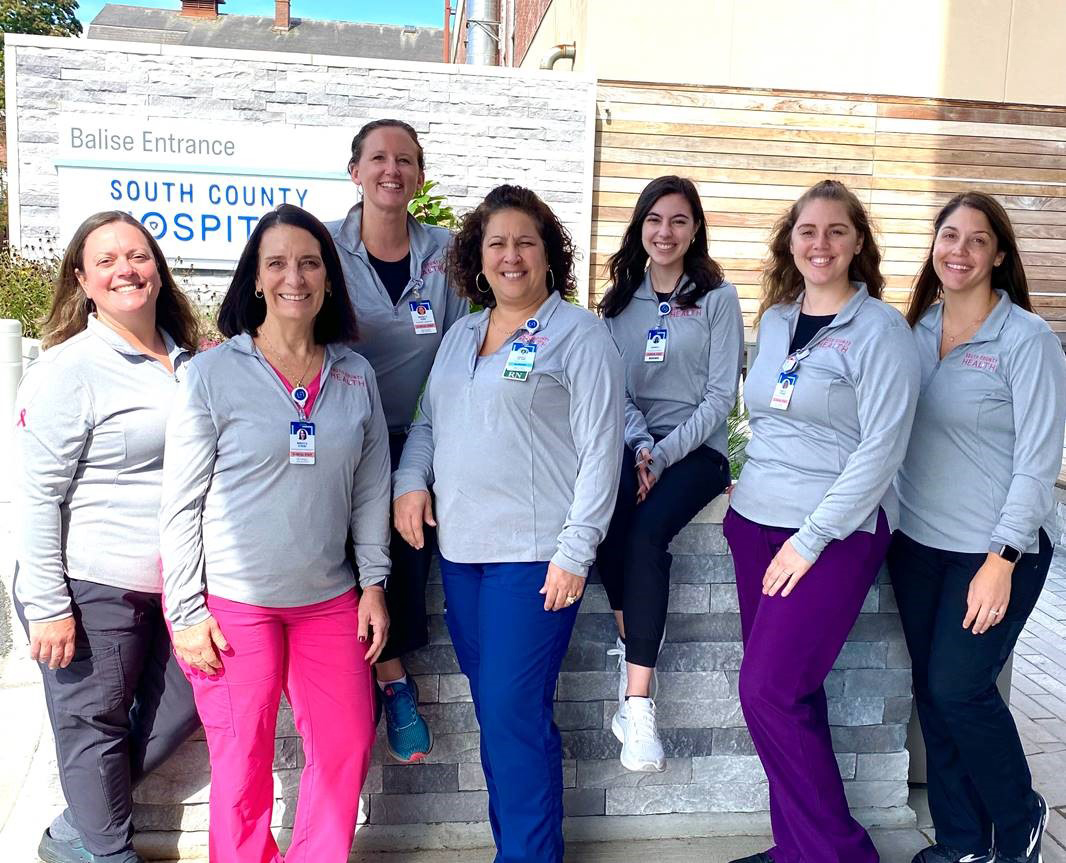
October is Breast Cancer Awareness Month. One in eight American women will be diagnosed with the disease. Today Shannon Champagne, Manager, Diagnostic Imaging, and Jessica Marfeo, Director of Specialty Services and Cancer Care, of South County Health are speaking about the importance of annual screenings and making breast health a priority for patients.
Click here to read more content from South County Health
Your Business Has Gone Global. Has Your Insurance?
A decade ago, “doing business internationally” was mostly a large-company concern. Today, a manufacturer in…
Learn More
Q: Why is an annual screening recommended for women over 40?
Shannon Champagne: “Annual screenings are critical because they allow us to catch potential problems early. As women age, their risk for breast cancer increases, and mammograms are the most effective tool for detecting breast cancer at its earliest stages. For women over 40, an annual mammogram is the gold standard in breast cancer prevention because it can find changes in the breast that may not be felt during a self-exam. Early detection significantly improves treatment outcomes and survival rates.”
Q: What happens if someone’s annual mammogram does reveal something? Can you explain how the team supports patients through every stage?
Jessica Marfeo, RN: “If a mammogram reveals something suspicious, we move quickly to provide further evaluation. Additional imaging, such as an ultrasound or MRI, may be recommended, and if necessary, a biopsy is performed to determine if the abnormality is cancerous. Throughout this process, the patient is never alone. Our team walks with them every step of the way, explaining the results, discussing options, and providing the emotional and practical support they need. We ensure that patients receive timely follow-ups and coordinated care from diagnosis to treatment, always prioritizing their well-being.”
Shannon Champagne: “Absolutely. Breast cancer care requires a multidisciplinary approach, and patients have a whole team behind them from diagnosis through treatment and beyond. It starts with radiologists and extends to breast health navigators, surgeons, oncologists, and supportive care staff. Each person plays a vital role in the patient’s care journey. We ensure our patients are informed and empowered throughout, offering guidance, answering questions, and providing emotional support.”
 Q: What are some common misconceptions about breast cancer?
Jessica Marfeo, RN: “One common misconception is that only women with a family history of breast cancer are at risk. While a family history does increase risk, most women diagnosed with breast cancer have no family history at all. It’s crucial to understand that breast cancer can affect anyone, which is why regular screenings and self-exams are so important.”
Q: Are there specific lifestyle changes that can reduce breast cancer risk?
Shannon Champagne: “Yes, maintaining a healthy lifestyle can play a role in reducing the risk of breast cancer. Regular physical activity, a balanced diet, and limiting alcohol intake are all recommended. Additionally, avoiding smoking and managing stress can contribute to overall health, which may reduce cancer risk.”

Q: How does age impact breast cancer risk?
Jessica Marfeo, RN: “Age is a significant risk factor for breast cancer. The majority of breast cancer cases are diagnosed in women over 50, but that doesn’t mean younger women are immune. That’s why it’s important for women of all ages to be vigilant about their breast health, know their personal risk factors, and consult with their healthcare providers about when to start regular screenings.”
Q: Compassionate care is at the heart of everything you do. How does your team prioritize compassionate care in breast health?
Shannon Champagne: “For us, it’s not just about providing the best clinical care; it’s about treating every patient with empathy and understanding. A breast cancer diagnosis can be overwhelming, and we work hard to alleviate fear and uncertainty. From the warmth of our staff to the comfort of our facilities, we strive to create an environment where patients feel safe, supported, and cared for.”
This Breast Cancer Awareness Month, take action. Whether it’s scheduling a mammogram or asking questions about your breast health, remember that early detection is key to saving lives.
Learn more and register for a FREE mammogram (October 19!). https://www.southcountyhealth.org/upcoming-events