Health Care Heroes 2025
FIRST RESPONDER (organization):
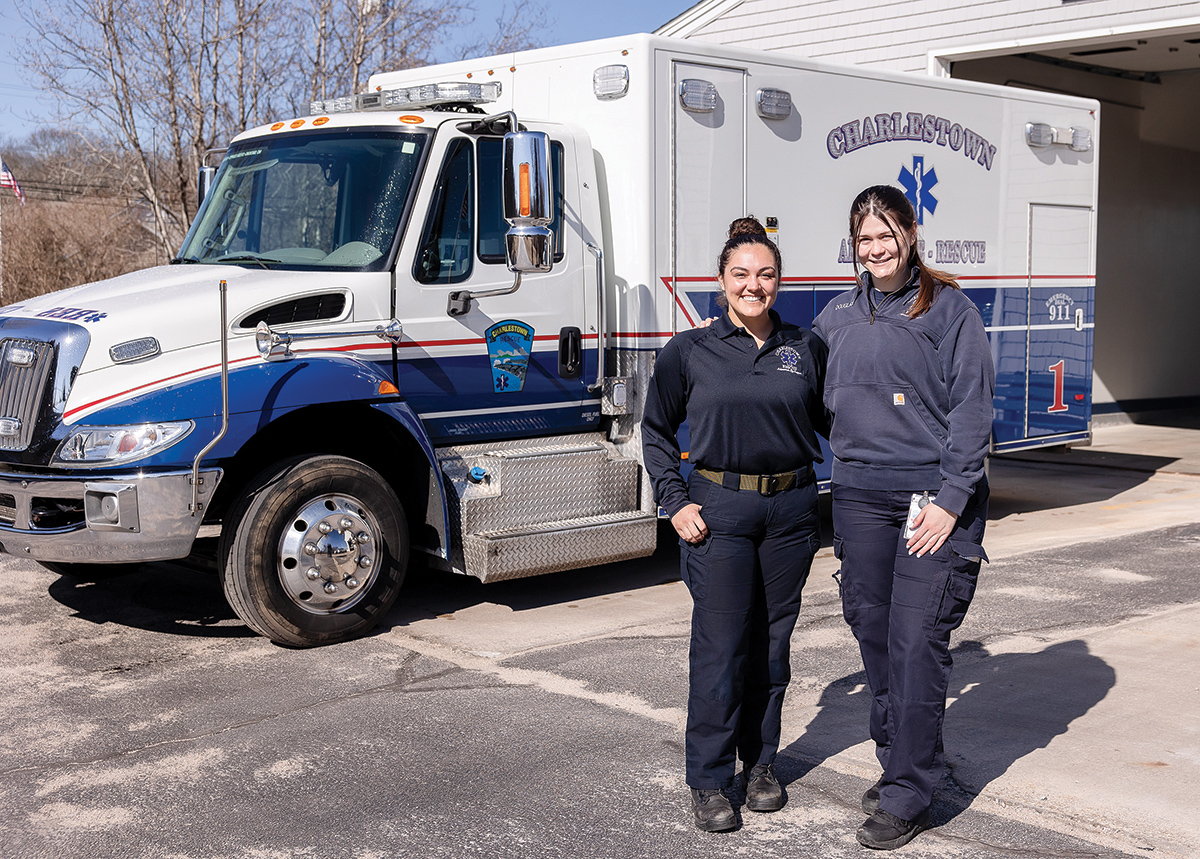
Charlestown Ambulance Rescue Services
Answers provided by Charlestown Ambulance Rescue Services Chief Andrew Kettle.
Your Business Has Gone Global. Has Your Insurance?
A decade ago, “doing business internationally” was mostly a large-company concern. Today, a manufacturer in…
Learn More
What led you to choose health care as your profession? In 1971, Peter Abbruzzese, an 18-year-old senior at Chariho Regional High School and Hopkinton resident, was a volunteer with Hope Valley Ambulance Corps. During his time there, Peter saw how the 20-plus-minute response time from Hope Valley in Richmond and other surrounding towns to calls from Charlestown resulted in precious time being lost in emergency situations and felt there needed to be a local ambulance service in Charlestown.
How have you helped boost the quality of access to health care? Through our community paramedicine mobile integrated health program, we provide in-home assessments, chronic disease management support and follow-up care for high-risk patients. Unnecessary hospital visits are reduced and patient outcomes are improved by connecting individuals with the right care at the right time.
What is the biggest challenge you and your organization are facing this year? Reimbursement rates for EMS services do not cover the actual cost of providing care, leaving agencies such as ours to find ways to bridge the financial gap. Additionally, Medicare and commercial insurers do not yet cover community paramedicine mobile integrated health services, despite the proven benefits of these programs in reducing hospital admissions and improving patient outcomes.
What more do you feel the state can do to help further support the health care sector in Rhode Island? The state can advocate for policy changes and pilot programs that would allow health services to be reimbursed, ensuring long-term sustainability and expanding access to preventative and in-home care. Workforce development is another critical area. The state can also provide incentives for EMS recruitment and retention, such as tuition assistance, loan forgiveness programs and competitive wages to attract and keep skilled providers in Rhode Island.