(Editor’s note: This is the 44th installment in a monthly series speaking with minority business owners and leaders. Each will be asked their views on minority-business conditions in the state and for ways to improve those businesses’ chances for success. See previous installments here.)
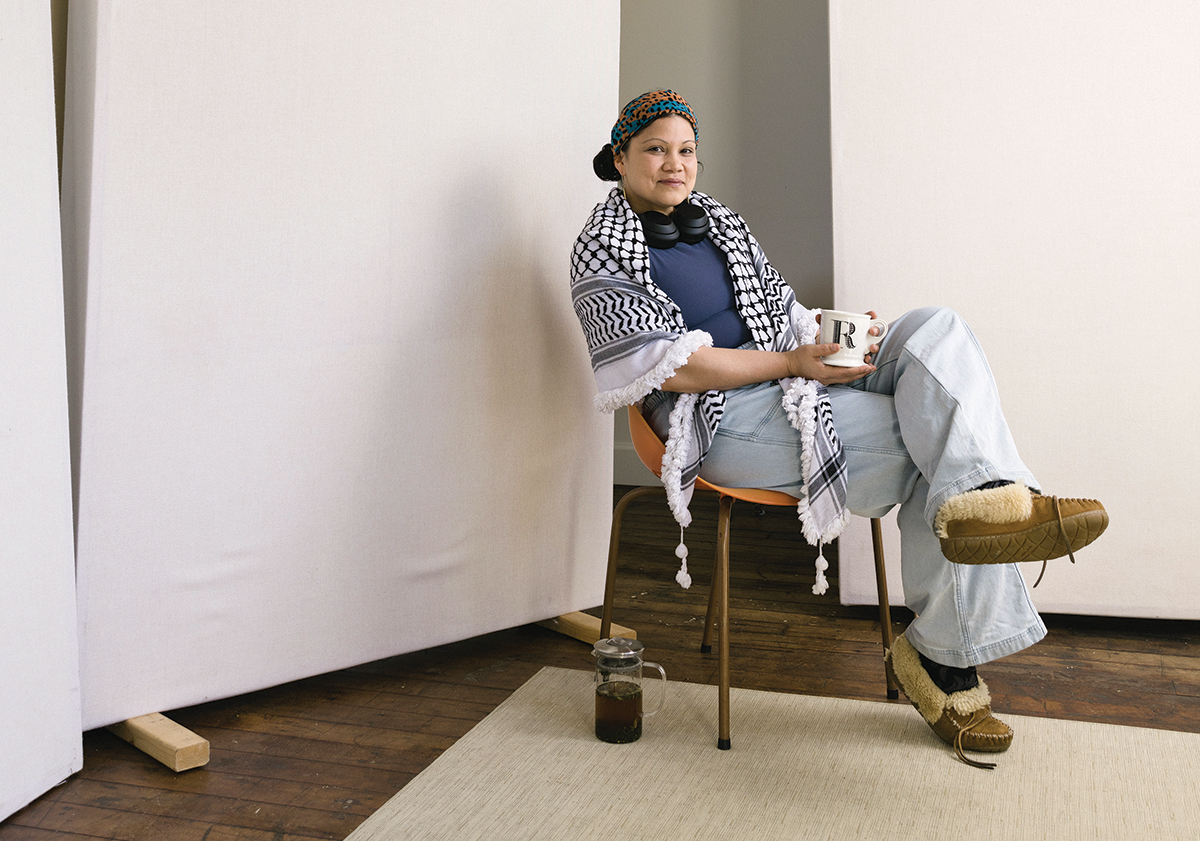
Through her business, Rely on Rach, Rachel Averitt channels a variety of creative pursuits – food and commercial photography, branding, graphic and web design, to name a few.
But the core theme in all her work, Averitt says, is building community and personal connections.
It was a skill she needed to draw on when she made the move from Vermont to Rhode Island three years ago, Averitt says.
“When I moved to Rhode Island, I found this need for community and a space for people to come together and be uplifted,” Averitt said.
Though she had been told that the Ocean State’s small size made it ideal for relationship-based connections, Averitt struggled to find like-minded individuals in traditional business spaces when she arrived in Bristol, and she sensed that others felt the same.
So she set out to build her own community, hosting a regular “Sunset Social” monthly networking potluck at Mount Hope Farm in town.
The gatherings proved Averitt’s perception correct. The first potluck event attracted 13 people and has since grown to a crowd of 65 small-business owners and entrepreneurs.
Through this event, Averitt seeks to bring a personalized touch to business success for attendees.
“There’s a social vibe,” Averitt said. “The point is that we all get to sit down and eat a meal at a beautifully set table, we get to care for each other. But we also get a moment to talk about what’s going on in our lives,” whether that’s in or beyond the professional realm.
She takes a similarly individualized approach with clients.
“I really get in there, and I really see people,” Averitt said. “It helps people see themselves, and that’s the most beautiful part of the process.”
While Averitt is now a familiar face to many in the local food and business communities, also serving on the Rhode Island Food Policy Council, she arrived in the Ocean State with virtually no connections.
But after finding herself suddenly in need of new housing during the COVID-19 pandemic, and with few options available in Vermont, Averitt and her partner were drawn to Bristol for its balance between nearby urban opportunities and seclusion.
And she was used to starting anew geographically. Averitt, who is Filipino American, was born in Japan, grew up in northern Michigan and lived in Wisconsin before she was eventually drawn to the East Coast for its food systems and farming community.
After years of working in restaurant management, her transition to the creative and marketing sphere also came unplanned. Averitt had taken food photos on her phone and was sharing them for fun when a resort took notice of her photography skills and requested a professional shoot.
Averitt said yes, and then bought a camera. And since launching the business in 2017, she hasn’t looked back.
1. Do you believe racism is keeping minorities from starting businesses in the Ocean State or succeeding when they do? Without a doubt, racism and inequity are both obvious and pervasive within our systems, and these issues pose significant barriers for the people of the global majority in starting and succeeding in businesses in the Ocean State. The elusive levers of white supremacy hold a stronghold on opportunities, dictating who gets to participate and under what conditions. From access to funding and resources, to systemic biases in networking and hiring practices, minorities face uphill battles that are often insurmountable.
2. How dependent is your business on the support of other minority groups? Is that a sustainable business model? Emotional support from other global majority groups has been crucial to my growth and sustainability. Initially struggling to navigate the challenges of entrepreneurship, I found freedom within affinity groups and through the support of fellow BIPOC [Black, Indigenous and people of color] individuals. Their understanding of the systemic barriers we face and their willingness to help unpack the severe impacts of white supremacy have been invaluable. Without this support, I would not be where I am.
Relying on the support of [people] from the global majority isn’t just about business – it’s about survival. It’s about finding a sense of community and safety. While it’s essential to cultivate diverse networks and partnerships, the support of those who share similar backgrounds and experiences is vital to my existence and well-being.
3. What one thing could Rhode Island do to boost the odds for minority-owned business success? Rhode Island must confront its history and create awareness about intentional systemic barriers facing minority-owned businesses. This means igniting a desire for change, fostering decolonization and promoting cultural awareness. Additionally, reevaluating language and terminology to reflect the diverse and global nature of communities, moving away from terms [such as] “minority” to “global majority,” can contribute to dismantling harmful stereotypes and promoting a more inclusive environment for business owners of all backgrounds. There’s no single solution; it’s about addressing multiple facets of the problem to create real change.
4. Have you had to turn somewhere other than a bank for a loan? Do you believe the state’s lending institutions generally treat minorities fairly? To be honest, I don’t trust lending institutions, so I pay for things with my own money.
5. If another minority entrepreneur asked you where they could turn to for support for their business, where would you direct them? I would welcome them into my inclusive network. I struggled to find a safe and aware community myself, so I began building one rooted in inclusivity and positive growth. At Rely on Rach and our affiliated events, we stand firmly against racism, homophobia and transphobia, fostering a supportive environment that values and respects everyone’s identity. Our goal is to create a truly inclusive community through understanding, empathy and shared experiences where open dialogue, learning and growth thrive. Whatever the goal may be, I have the skills, savvy, resources and connections to amplify their journey and safely guide [folks] forward.