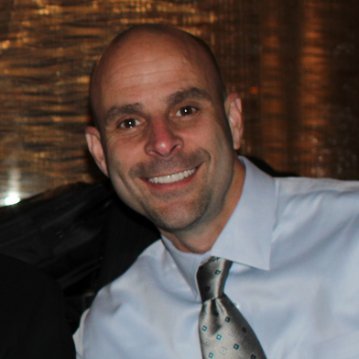
Ward Sparacio, a sales and marketing professional with 20 years of medical-device venture, was recently named the new CEO of Portela Soni Medical. Sparacio joins the Attleboro company in the midst of its work innovating urinary-catheter design to reduce infections and risk of complications. The company’s urinary catheter is in research and development and will be filing for Food and Drug Administration 510(k) premarket submission to demonstrate the device is as safe and effective as catheters already on the market.
PBN: You’ve been in medical-device venture a long time. What drew you to it? Is that what’s kept you in the field?
Building a Strong Data Foundation in the Age of AI
Artificial intelligence (AI) has become a key priority in the boardroom and across management —…
Learn More
SPARACIO: My father was a medical-device and technology executive. So, I guess it’s fair to say that I grew up around the medical-device industry. I have always been and will continue to be intrigued by the amazing technological advancements within this industry. Personally, it is very rewarding to know that I have played a role in bringing technologies to market that make a tangible difference in people’s lives.
PBN: Can you share your favorite anecdote describing the work you’ve done in medical-device venture?
SPARACIO: I have to answer that question two ways. First from a clinical perspective, and secondly from a business perspective.
My career, which began in the early 1990s, has paralleled a remarkable time in technological advancement. So, going back a few years into the mid-1990s, as a young salesperson, I will never forget the very first product demonstration I performed with 3-D ultrasound technology used in obstetrics. Looking at the image of a baby’s face and seeing the reaction of the parents is something that still gives me goosebumps. I felt like I had just been part of the first lunar landing.
From the business side of things, I have been part of several startup ventures in medical device. Playing a leadership role in a startup is a challenging and often risky endeavor. However, there is no greater feeling, upon securing your first customer, when you realize that your hypothesis was true and that someone will actually pay you for the new technology you are trying to bring to market.
PBN: What’s your vision for Portela Soni Medical?
SPARACIO: To be recognized as a leader in delivering technologies that make the job easier for the amazing professionals who go to work taking care of patients every day.
PBN: What are the major trends in the medical-device industry?
SPARACIO: I think that being a hospital executive or administrator is probably one of the most challenging jobs in our country at present. To that point, I see the “pay-for-performance” programs that have been implemented as part of the Affordable Care Act as transformational in the relationship between payers, providers and patients. So, as a medical-device developer, at present, our company is focused on developing and delivering a product to reduce “catheter-associated urinary tract infections,” which are a primary target of the CMS (Medicare/Medicaid) Hospital Acquired Condition Reduction Program.
To be successful today, technology developers must deliver products that will result in improved clinical performance and patient outcomes while mitigating the significant economic risks and potential penalties associated with poor clinical performance in those areas being measured. Twenty years ago, delivering new and exciting technology was enough to make you successful. Today, you have to deliver better technology that delivers improved economic results simultaneously. If you can’t do both, you are wasting everyone’s time.
PBN: How close is automation to becoming a regular part of the average person’s life? How is that likely to manifest?
SPARACIO: From a health care perspective, we’ve only begun to scratch the surface with regard to leveraging technology in managing the health and well-being of ourselves individually, our families and our population in general.
Rob Borkowski is a PBN contributing writer.