Stroke is the nation’s leading cause of disability and the third-leading cause of death, with more than 700,000 strokes per year, about 25 percent of them leading to death and 55 percent leading to permanent disability. In Rhode Island, more than 3,000 strokes are documented each year, and The Miriam Hospital, in Providence, has developed a special expertise in treating them, with the only Joint Commission-certified stroke center in the state.
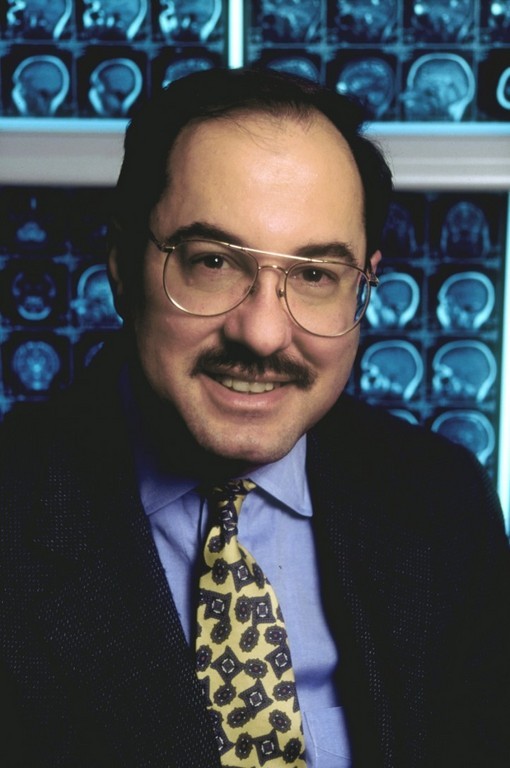
Last month, the R.I. Department of Health recognized Dr. Douglas DeOrchis, director of the center and chairman of the R.I. Stroke Task Force, with a Community Partnership Award. DeOrchis spoke with Providence Business News about his medical work and advocacy.
PBN: Can you explain what actually happens in a stroke, what causes it, and typical effects?
DEORCHIS:There are two types of stroke, ischemic and hemorrhagic. The more common ischemic stroke, about 85 percent, is due to obstruction of a blood vessel to the brain by a blood clot. This part of the brain stops functioning suddenly, and it may cause symptoms such as sudden weakness in an arm, hand or leg, loss of feeling on one side of your face or body, sudden loss of vision, difficulty with balance, difficulty understanding speech, or the worst headache of your life. About 15 percent of strokes are due to hemorrhage from rupture of a blood vessel or aneurysm, and are a type frequently associated with severe headache.
Building a Strong Data Foundation in the Age of AI
Artificial intelligence (AI) has become a key priority in the boardroom and across management —…
Learn More
PBN: To what extent can we prevent stroke?
DEORCHIS: Risk factors are divided into those you cannot control (increasing age, male sex, race, family history of stroke) and those you can control through lifestyle or medical treatments, including high blood pressure, diabetes, cigarette smoking, high blood cholesterol, obesity and heart disease. Recommendations include annual physicals, healthy diet, awareness of family history, maintaining health weight, quitting smoking, checking blood pressure and cholesterol regularly, exercise, and managing sugar closely if diabetic.
PBN: The Miriam Hospital has really developed an expertise in this area. Why is that important, and what do you consider to be some of the best things the Miriam has done?
DEORCHIS: Early in the evolution of the program, it was evident that patients that come in within three hours do best, and we have programs to select and treat patients to six hours and beyond. Treatment is usually the medication tPA, which is a clot-dissolving medicine that is effective when given early, but increasingly dangerous if given late. … Public education has been effective in bringing the average patient in now to just over four hours; still, we can do better with more education, and we we have partnered with the American Stroke Association.
The program “Get with the Guidelines” recognizes hospitals that have documentation of providing best care practices over a period of time. Miriam was recognized as a Silver Recipient this summer, but we have reached Gold status with three years of meeting or exceeding targets. It is a proud achievement for all the doctors, nurses and staff.
PBN: How big a difference can really good preventive care and post-stroke care make for high-risk patients?
DEORCHIS: Preventive care is huge and can reduce the risk of stroke and cardiovascular disease substantially. For those who’ve had a stroke, having a health care system prepared for immediate treatments and employing new imaging and technology is important.
PBN: You have also done a lot of work in public health, most notably as chair of the R.I. Stroke Task Force. What can Rhode Island do to reduce the incidence of and impact from stroke?
DEORCHIS: Half of Rhode Island patients stricken with stroke will be transported to a hospital without the resources to provide comprehensive care. The R.I. Stroke Task Force, which convened in 1996, recognized this as a major health care concern and recommended a cooperation among hospitals to designate those with certified modern treatment capabilities, such as stroke centers. Like trauma centers, these should be designated for EMS as preferred sites to transport patients to ensure best outcomes. Certain states, such as Florida, have already written this into law. In Rhode Island, either Department of Health policy or legislation would be required to ensure EMS transports patients to stroke centers.
The Miriam Hospital – a founding member of the Lifespan health care system – is a nonprofit hospital affiliated with Brown University’s Warren Alpert Medical School. Established in 1926 by the Miriam Hospital Women’s Association, Miriam houses the state’s only Women’s Cardiac Center, JCAHO-certified Primary Stroke Center and robotic surgery program. To learn more, visit www.miriamhospital.org.