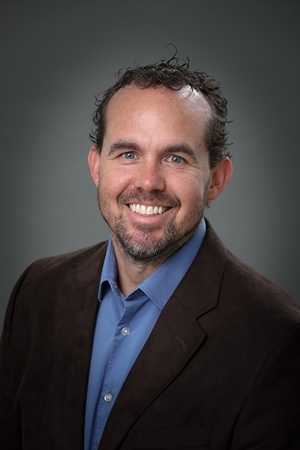
Dr. Joshua C. Brown is the recently appointed medical director at Newport Mental Health. Brown is a psychiatrist and neurologist whose research focuses on novel interventions for suicidality, depression, anxiety and post-traumatic stress disorder.
Alongside his new role, Brown simultaneously serves as medical director of transcranial magnetic stimulation at McLean Hospital in Belmont, Mass., and as an assistant professor at Harvard Medical School. He previously worked as a faculty member at Brown University’s Warren Alpert Medical School and at Butler Hospital.
PBN: What drew you to this role with Newport Mental Health?
BROWN: Having spent most of my time in academics, I was interested in community health and the many unique efforts Newport Mental Health makes with community outreach, wraparound service, providing evidence-based care and still managing to turn no one away.
PBN: What are the most significant mental health challenges facing Newport County residents, and are there any that are more notable in this area than in other parts of the state?
BROWN: Newport faces similar challenges to other parts of the state and country. Suicidality, substance use, anxiety, psychosis and trauma are among the most severe, but all mental health issues can be extremely distressing and limiting.
Mental health issues affect the same organ that we use to deal with and understand our problems, which emphasizes the need for professional help even in early or non-severe stages.
PBN: What are your major goals in your first year with Newport Mental Health?
BROWN: I really hope to establish a TMS [transcranial magnetic stimulation] program for patients who have not responded to medications. In these patients, TMS outperforms additional medications, and I want this to be an option for our patients and providers.
PBN: Your background includes expertise in transcranial magnetic stimulation treatment. How does this treatment work, and why does it interest you?
BROWN: TMS works by repeatedly activating particular brain networks involved in depression and other disorders, leading to durable changes in strength. TMS has facilitated our emerging view of a biological basis of brain disorders. It is both a powerful scientific tool, as well as a safe and effective therapeutic tool.
PBN: When joining Newport Mental Health, you said the organization stood out for holistic and comprehensive service. What does that type of care look like to you?
BROWN: Newport Mental Health provides therapy and medication treatment that can be brought to [patients’] homes, and even to those without homes. Our amazing team provides residential care, transitional placements and employment assistance. Staff will drive and talk with patients to provide a more comfortable way to connect.
I’ve never seen programs like this. We turn no one away, regardless of insurance or financial status. We treat patients with any disorder. We have numerous group and leadership meetings to discuss those patients most in need. I have been thoroughly impressed with the commitment and dedication of staff at all levels.
Jacquelyn Voghel is a PBN staff writer. You may reach her at Voghel@PBN.com.