Hasbro Children’s Hospital recently received a $142,467 “leadership” grant from the U.S. Department of Health and Human Services to support graduate-level training of students for careers in maternal and pediatric health care. The grant, which is renewable for five years, is one of 24 awarded nationwide to universities and teaching hospitals.
The leadership grants are targeted at the next generation of supervisory clinicians and rising administrators in nursing, nutrition, communication disorders, social work and developmental-behavioral pediatrics.
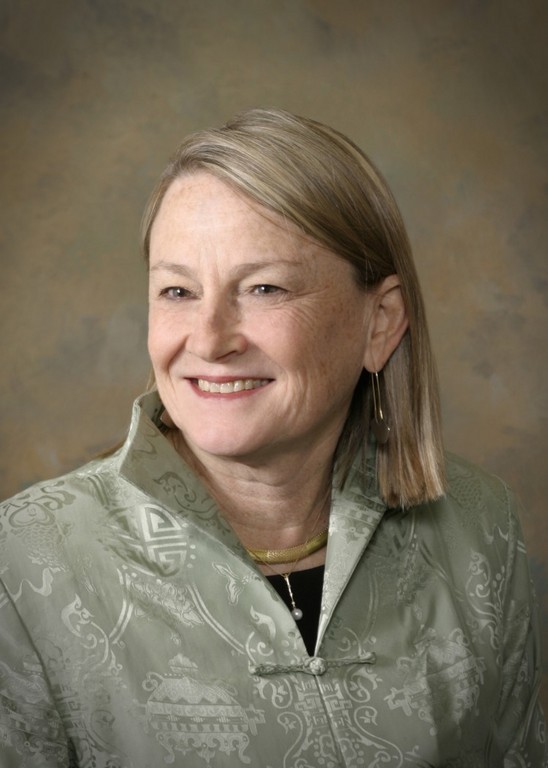
Dr. Pamela High, director of the developmental-behavioral pediatrics program at Hasbro, DBP program at Hasbro Children’s Hospital, spoke with Providence Business News about the grant and the importance of Hasbro’s three fellowship positions in this field.
PBN: What is developmental-behavioral pediatrics?
HIGH: We are pediatric sub-specialists who focus on developmental and behavioral assessment and care of children, on interdisciplinary collaboration, research and advocacy. In the Children’s Neurodevelopment Center, faculty and fellows evaluate children with delays in their motor, language, social or adaptive development and those with concerns about their behavior, attention or learning. Typical presentations include the 2-year-old who is not talking; the 3-year-old who is very clumsy, shy and sensitive to sounds or textures; the 4-year-old who is extremely active and has been dismissed from preschool; or the 7-year-old who is having trouble mastering early academic skills or sitting still and paying attention. We also care for children between ages 6 and 18 who have both medical and psychological concerns in the Hasbro Children’s Partial Hospital Program. Both of these programs are family-centered and interdisciplinary, requiring team work with parents as well as colleagues in psychology, speech pathology, occupational and physical therapy, child psychiatry, nursing, nutrition and education and other pediatric disciplines such as genetics or neurology.
Building a Strong Data Foundation in the Age of AI
Artificial intelligence (AI) has become a key priority in the boardroom and across management —…
Learn More
PBN: What kind of training do your fellows receive?
HIGH: Following four years of medical school to earn an M.D. and three years of residency training in pediatric medicine to become a pediatrician, they can choose to devote three additional years to fellowship training in DBP. This includes a year dedicated to research in the field. After completion of this three-year DBP fellowship, pediatricians are eligible to take an examination to become certified in DBP.
PBN: How many children do you see on an annual basis, and what are the most predominant issues that require treatment?
HIGH: Each year, our faculty and fellows evaluate about 500 new patients and more than 1.000 follow-up patients with conditions such as autism spectrum disorders, developmental delay, attention deficit hyperactivity disorder, learning disability, mental retardation and cerebral palsy in the CNDC. In our HCPHP, about 170 school-age children each year receive day treatment. They have chronic conditions such as diabetes, asthma, inflammatory bowel disease or eating disorders as well as psychological concerns including anxiety, depression, sleep disorders and learning problems.
PBN: Are you seeing an increase in any areas in particular?
HIGH: Yes. More and more we are seeing families with concern that their child might have an autism spectrum disorder.
PBN: Tell us about the grant.
HIGH: The hospital is one of 24 universities and teaching hospitals across the country receiving a total of $4.5 million to support graduate-level students training for careers in maternal and pediatric health care this year. Hasbro Children’s Hospital typically trains three fellows in DBP each year. This grant will support the training of one additional fellow in DBP each year for the next five years. In addition, this grant will allow us to provide some consultation to the Early Intervention programs in the state and to work with the Rhode Island Chapter of the American Academy of Pediatrics. We will provide consultation to community pediatricians on addressing the needs of their patients with developmental and behavioral concerns by providing monthly interactive discussion groups and other continuing medical education opportunities.