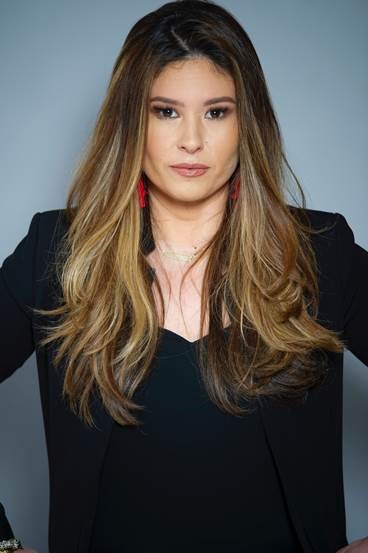
In 2009 Rosanna Ortiz moved to Providence and started STYLEWEEK Northeast. In that time, STYLEWEEK Northeast has become a premier fashion week event featuring local designers from across the Northeast.
Ortiz uses her skills as a marketer, public relations professional and networker to make STYLEWEEK Northeast an internationally recognized fashion event.
Your Business Has Gone Global. Has Your Insurance?
A decade ago, “doing business internationally” was mostly a large-company concern. Today, a manufacturer in…
Learn More
PBN: STYLEWEEK Northeast, a nonprofit fashion organization, went on hiatus in 2016 returning in September 2017. What was the reason for this pause?
ORTIZ: I never stopped working on STYLEWEEK, but we didn’t have events for two seasons while I went and focused on making new relationships, taking care of current ones and developing a new strategy for the brand. In addition, my beloved dog was very sick, my father had health issues and I was newly engaged and planning a wedding. My personal life needed a moment, as work-life balance is hard for me.
PBN: What did you learn from this period of reflection about the STYLEWEEK Northeast brand?
ORTIZ: It’s hard for me to take a step back and look at things with a bird’s eye view. The work of planning STYLEWEEK Northeast never ceases and when one season ends I am immediately planning the next, so it’s hard for me to stop and “smell the roses.”
Being able to take a year off allowed me to take notice of what we have done, what we could be doing better and where we should take the event’s brand. It gave me a moment to review local and national events and that assessment made me proud of what we have accomplished.
PBN: What does STYLEWEEK Northeast have in store for the second half of 2018?
ORTIZ: I am especially excited for the September season of STYLEWEEK Northeast. We will be incorporating a technology angle this season, potentially involving drones, artificial intelligence and 3-D printers.
The fashion industry can often be deemed frivolous and all about superficial glamour, but it’s not. Constructing apparel and jewelry takes mathematics and geometry, and technology plays a monumental part in developing what you see on the runway. It’s important to realize how much [science, technology, engineering and math] is involved in the creation of fabrics, pattern-making and executing a designer’s collections.
The theme of this coming STYLEWEEK is “The Future is Fashion,” and we will be developing an app allowing attendees to preorder what they see on the runway during each designer’s runway show.
PBN: Before the hiatus, STYLEWEEK Northeast had run for 12 seasons over six years. How has the regional fashion industry evolved in that time?
ORTIZ: When I moved to Providence, there wasn’t much of a professional fashion scene when it came to events. There were many designers in Rhode Island, Boston and Connecticut who could benefit from having a high-quality production to showcase their brands. I was honored that Providence believed in me [enough] to construct an event that could be a catalyst for the regional fashion industry.
In the past nine years, I have witnessed companies in this industry created from networking at STYLEWEEK Northeast events, young minds in the industry becoming inspired and creating their own endeavors and [firms] – not to mention the support staff, which includes electricians, stagehands, riggers, public relations executives, stylists, makeup artists, restaurateurs who also benefit.
PBN: What do you think of the state of philanthropy in Rhode Island today? Are enough people who can afford to do so giving to those in need?
ORTIZ: This is a difficult question because I can only answer from my perspective. Providence, the state of Rhode Island and many donors have been instrumental in the success of STYLEWEEK Northeast. Taking into consideration the amount of nonprofits located in this very small geographic area, I feel many are competing for the same philanthropic dollar.
With that being said, people can always give more, but I think that is difficult until people figure out how to do [well] with less. Those who choose not to participate financially can always give time, which we have benefitted from immensely.
Emily Gowdey-Backus is a staff writer for PBN. You can follow her on Twitter @FlashGowdey or contact her via email, gowdey-backus@pbn.com.