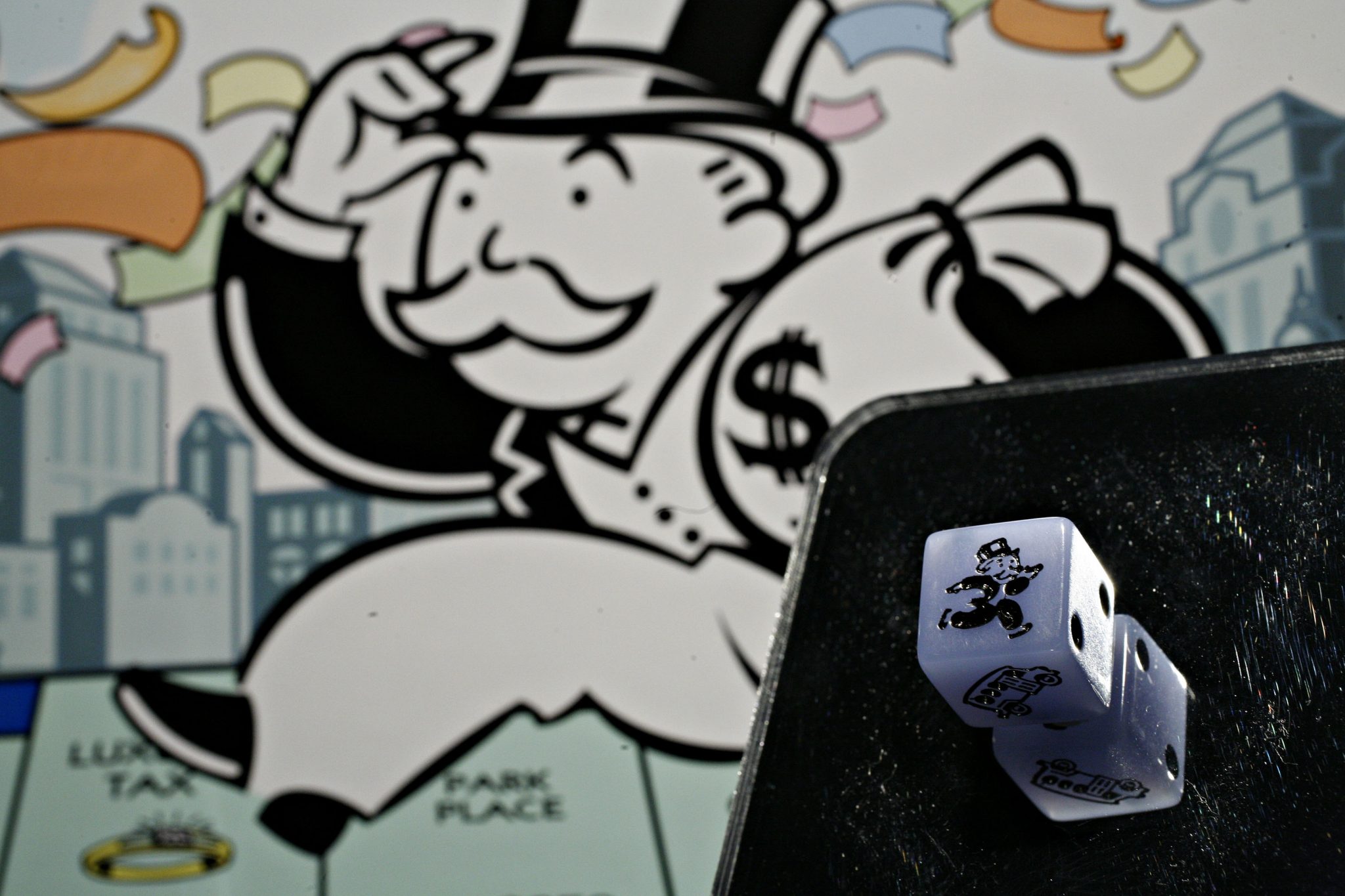
PAWTUCKET – Hasbro Inc. authorized a repurchase of an additional $500 million of its common stock, expanding its original buyback plan, the company announced Thursday.
The stock, listed on the NASDAQ, jumped more than 50 cents to $89.15 following the announcement, settling to $88.43 by 1 p.m. The stock opened the day at $88.09.
ISO 9001:2026: A Practical Opportunity to Build for What’s Next
For Rhode Island manufacturers, ISO 9001 has been much more than a certificate on the…
Learn More
The company’s board of directors also declared a quarterly cash dividend of 63 cents per common share.
“Hasbro is committed to strategically investing in our business for long-term profitable growth and returning excess cash to our shareholders. The Board’s additional $500 million stock authorization reaffirms this commitment and demonstrates confidence in the future value of Hasbro’s strategy,” said Deborah M. Thomas, Hasbro’s chief financial officer, in a statement. “Hasbro is executing from a healthy financial position, with an operating cash flow target of $600-700 million this year and a solid balance sheet.”
The repurchase is additional to a repurchase of $500M in shares authorized in February 2015. The company said of that 2015 total, $139.2 million still remains.
The company reported net income of $396.6 million for 2017 but reported a $112.5 million loss in the first quarter of 2018, largely due to the liquidation of Toys R Us, according to the company.
The year of the buyback
The Hasbro repurchase is part of a larger United States trend, following the changes to the tax code made in the Tax Cuts and Jobs Act of 2017.
After buybacks among S&P 500 Index members hit a record in the first quarter and more than a third of the index raised dividend payments, corporations have returned $992 billion to shareholders in the past 12 months. At the current rate, 2018 will mark the first year that corporate America showers investors with more than $1 trillion.
How companies use record levels of cash has become a hot-button issue after the Republican tax overhaul brought hundreds of billions of dollars of relief to corporations. The buyback spree bolsters a bull case for stocks at a time when rising bond yields diminish their attractiveness. The largess has also raised eyebrows among those criticizing chief executives for not spending as much on new plants or equipment, a strategy seen key to longer-term profit growth.
Turns out, companies are so flush they can boost spending on both activities. First-quarter spending on capital expenses jumped 21 percent to $159 billion – a record for any start of the year.
“Cash remains near or at its highs, giving companies the ability to do whatever they want,” Howard Silverblatt, senior index analyst at Standard & Poor’s, said in a note.
The added impulse from corporate buying came as stocks entered the first correction in two years and the Standard & Poor’s 500 index notched its worst quarter since 2015.
Below are more details on S&P 500 companies’ cash use in the first quarter:
- At $1.6 trillion, cash and cash equivalent stayed near all-time highs
- Share purchases surged 34 percent to a record $178 billion, surpassing the previous peak of $172 billion reached in 2007
- Tech companies accounted for about a third of total buybacks, with repurchases more than doubling from a year earlier; Apple set a record with $22.8 billion
- Financial firms spent roughly the same as last year, a sign that Fed-approved buybacks may have been fulfilled
- No company cut its dividend for the first time in at least 15 years
- Among those that raised payouts, the increase averaged 10 percent
Chris Bergenheim is the PBN web editor. Bloomberg News contributed to this article.