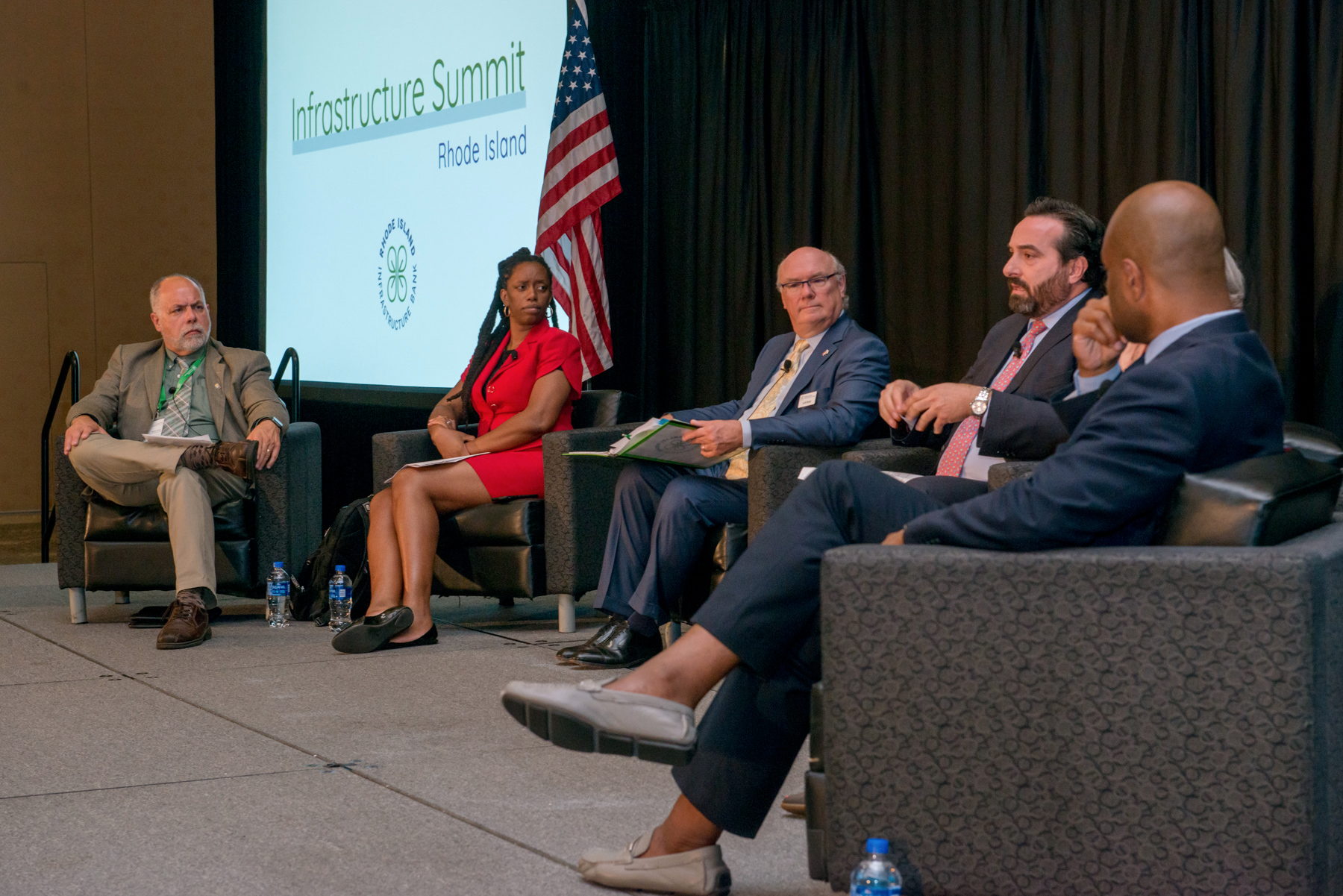
PROVIDENCE – Improving Rhode Island’s infrastructure is a big job, drawing more than 300 people who turned out recently for Rhode Island Infrastructure Bank’s summit meeting to discuss how to tackle the issue.
The event at the R.I. Convention Center brought together government officials and professionals from various fields to discuss the state’s pressing infrastructure needs and challenges. Also discussed were “innovative” financing options available through the bank and state agencies, the bank said.
ISO 9001:2026: A Practical Opportunity to Build for What’s Next
For Rhode Island manufacturers, ISO 9001 has been much more than a certificate on the…
Learn More
“I’m proud to say the second annual summit was a tremendous success,” said Jeffrey Diehl, CEO of Rhode Island Infrastructure Bank. “The event acts as a platform for innovation across sectors. Connecting infrastructure experts, financiers, and the public and private sectors will make more projects a reality and strengthen Rhode Island’s infrastructure and economy.”
The Providence-based bank serves as a central hub for financing infrastructure improvements for municipalities, businesses, and homeowners. It finances a variety of projects, including drinking water and wastewater, roads and bridges, energy efficiency and renewable energy, and brownfield remediation.
Keynote speaker Armand E. Sabitoni, general secretary-treasurer and New England regional manager of the Laborers’ International Union of North America, provided “valuable insights” into how Rhode Island can continue to generate economic activity and jobs through infrastructure investment, the bank said.
Another speaker, “Hurricane Czar” Alan Rubin, principal at Blank Rome Government Relations LLC, addressed attendees about natural disasters, economic development and the necessity for more-resilient infrastructure systems.
“Identifying and addressing areas where our infrastructure is at risk and finding innovative funding sources for these improvements will protect public health and strengthen our state’s resilience to climate change,” said R.I. Department of Environmental Management Director Janet Coit.
“In Rhode Island, as elsewhere,” Coit added, “increasingly intense storms have damaged critical areas. We are working aggressively to strengthen our preparedness and mitigate environmental harm by helping communities better understand the threats posed by climate change and take action to protect critical wastewater infrastructure.”
Scott Blake is a PBN staff writer. Email him at Blake@PBN.com.