There are only a few days left in the 2007 Atlantic hurricane season, which ends officially on Nov. 30, but just because your home or business made it through this season does not mean you will have the same easy ride through next season.
The hurricane risk in the Atlantic Basin – which includes Rhode Island – isn’t expected to fall, according to a report released last week by California-based Risk Management Solutions Inc., an independent catastrophe consultant.
That report, compiled with data from seven global hurricane experts, says that until 2012 the risk of hurricanes will remain as high as it has for the past two seasons – two of the worst on record. During 2007, there were 14 named storms – the first season in which 40 percent of those reached Category 5 status, according to RMS.
The firm estimates that during the next five years the Mid-Atlantic and Northeast coasts will see a 25- to 30-percent higher annual loss than had been predicted previously.
And, according to Insurance Information Institute data, tiny Rhode Island was ranked 17th for highest property values vulnerable to hurricanes – with $4.3 billion in coastal property and $156 million in inland property at risk from hurricanes and flooding.
New England Federal Emergency Management Agency spokesman Brian Hvinden recommends that everyone have flood insurance, which can cost as little as $150 annually for a parcel that’s not in the floodplain.
FEMA coordinates the National Floodplain Insurance Program, which municipalities sign up for so that private insurers can supply base rates for regional properties.
“One good key is to know that anyone who lives in a participating community can purchase flood insurance. It’s a misconception that some people have that they can only purchase insurance if they live in a floodplain,” Hvinden said.
For New England, “I would say in excess of 80 percent of communities participate,” Hvinden said. “Certainly almost anyone who has flood insurance has it through NFIP – there are some private agencies, but State Farm and Allstate and those types of agencies represent the policies for NFIP.”
Municipalities join that FEMA program, “and for sort of a compliance piece, the communities involved have to do some sort of floodplain management,” Hvinden said.
FEMA also maintains a running total of claims and payments for hurricane and flood damage for each municipality. For Rhode Island, there have been 3,283 property-damage claims for the period starting Jan. 1, 1978, and ending Sept. 30, 2007. During the same time period, there have been more than $34 million paid for closed claims.
While Westerly tops the list in total payments – with its 333 claims totaling $3.1 million during that period – Warwick boasts the most claims, with 454 that totaled about $1.4 million.
On a national level, there’s an effort to change the floodplain insurance program for high-risk areas, into which coastal Rhode Island might fit. In both the U.S. House and Senate, there is now the Democrat-sponsored Homeowner’s Defense Act of 2007.
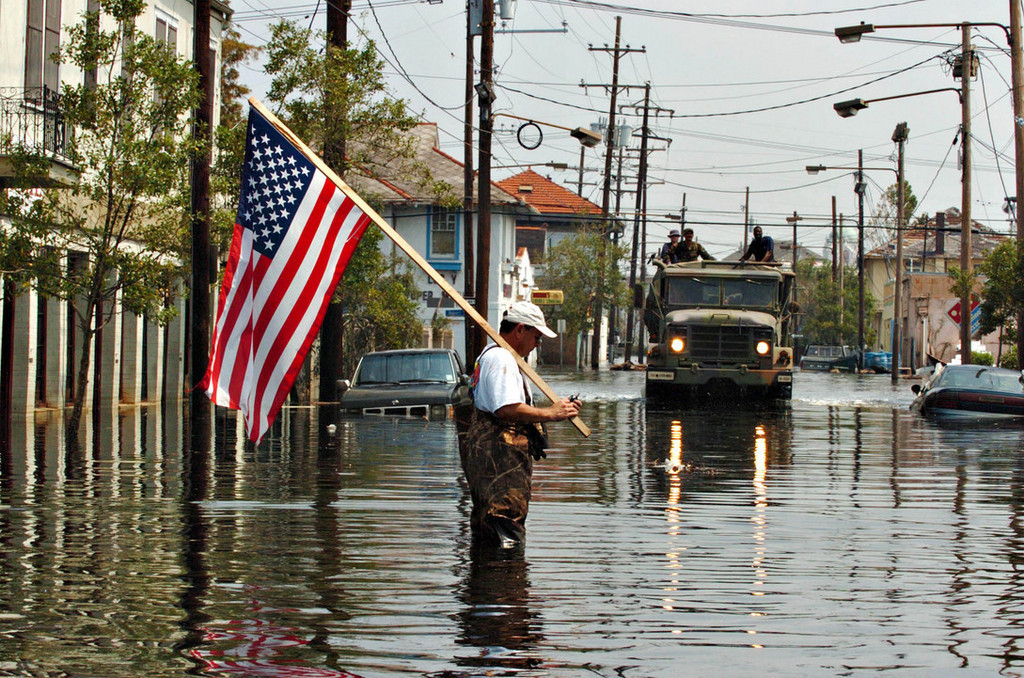
The Senate bill cites Hurricanes Katrina, Rita and Wilma, which caused more than $200 billion in combined damage during 2005, as burdens on taxpayers. Instead, that catastrophe risk could be better managed through private markets, it says.
The bills – H.R. 3355, S. 2327 and S. 2328. – would allow for combining the risk of state-sponsored insurance programs and transferring “that risk to the private markets through the use of catastrophe bonds and reinsurance contracts,” according to the National Association of Industrial & Office Properties. •