Jeff Brooks, a Newport Realtor with Hogan Associates Christie’s International Real Estate, is the first to acknowledge that he should have known better.
Despite his years helping other homeowners navigate the complexities of casualty insurance, he believed it was permissible to start repairs on his damaged home before his insurance adjuster arrived, violating a key provision of his insurance policy.
He is not alone. Many homeowners remain unaware of their policy coverage. A recent survey by web-based agency Guardian Service Holdings LLC found that more than half of the 1,000 respondents had never read their home insurance policy in full, while 20% did not fully understand it.
In Rhode Island, standard homeowners’ insurance typically excludes flood damage, a significant concern for coastal residents.
This is also true for issues such as earthquakes, damage from wear and tear, pest infestations, sewer backups, drain overflows, and mold damage. Furthermore, policyholders often misunderstand the separate hurricane deductible, which can be a flat fee or up to 5% of the home’s insured value.
Confusion extends to claims timelines as well. According to the JD Power 2025 U.S. Property Claims Satisfaction Study, the average claimant waits 44 days after notifying the insurer of a loss to receive final payment on a claim.
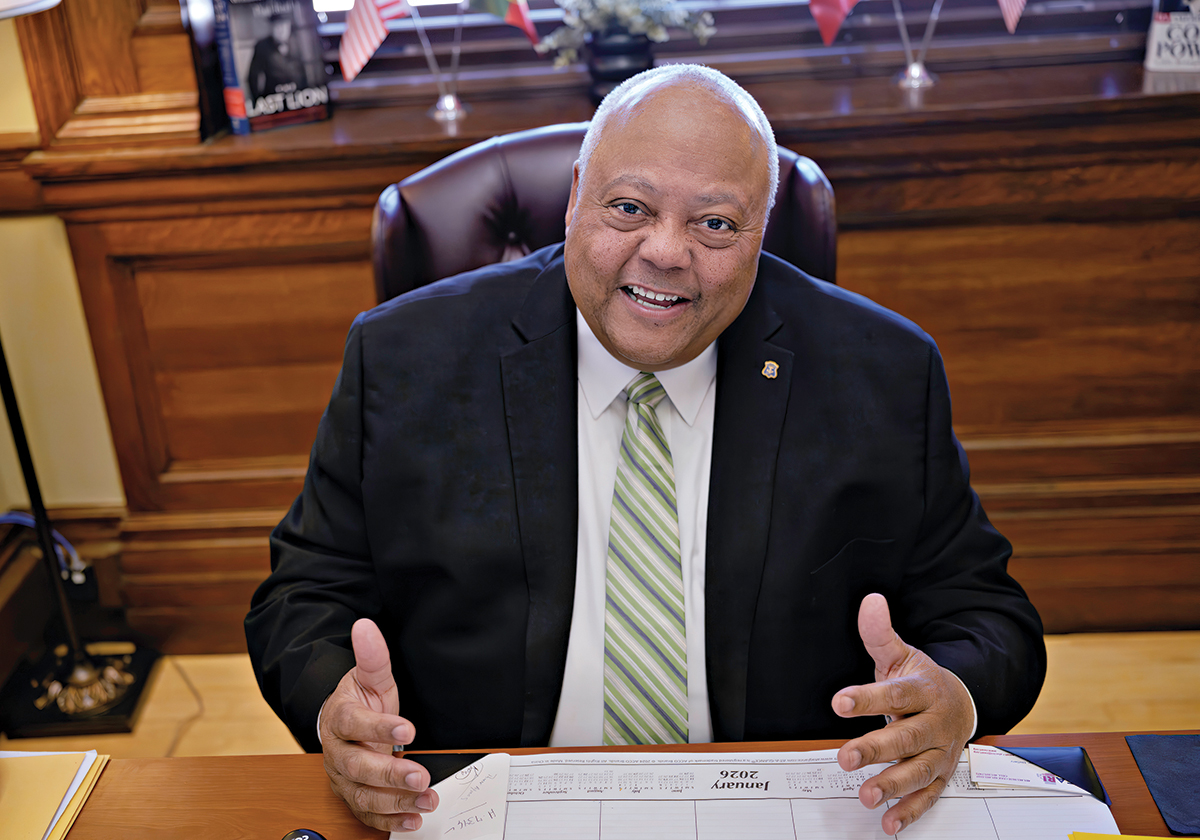
In response to these issues, proposed legislation – a homeowner casualty insurance “bill of rights”– aims to clarify protections for consumers. Sponsored by Deputy House Speaker Raymond A. Hull, D-Providence, the bill is now under consideration by the House Corporations Committee. It would outline policyholders’ rights in straightforward language, making it easier for homeowners to understand the claims process.
It is about communicating with policyholders “in simple, nontechnical terms,” Hull said.
Under the bill, insurers would be required to deliver a “notice of rights” to policyholders within 14 days of receiving a claim “unless the claim follows an event that is the subject of a declaration of a state of emergency by the governor,” with penalties imposed by the R.I. Department of Business Regulation for noncompliance. Additionally, insurers must make clear that they have 30 days to settle claims or must provide a full explanation for any denial.
Consumer advocacy groups, including Consumer Reports, support this push for greater transparency and education for consumers. Sara Enright, senior director of safety and sustainability at Consumer Reports, said these rights should be fundamental for insurers across all states.
A Consumer Reports petition advocating for stronger protections garnered over 44,500 signatures, encouraging major home insurance companies to adopt these measures.
One Rhode Island signatory shared that he was unaware that his insurance premiums increased by 6.5%, 8.3%, 22%, 6%, and 35.6% over the past five years, effectively doubling since 2019, despite having provided him less coverage.
However, opponents, such as the Rhode Island Insurance Federation, argue that the bill is unnecessary, redundant and one that “insurers and our policyholders do not need,” said Christopher Stark, federation executive director.
The federation, an industry advocacy group, contends that the insurance industry in Rhode Island already operates under stringent regulations, and while Rhode Island law allows insurers 60 days to settle claims, the proposed 30-day limit might disrupt existing protections, Stark said.
“This legislation is either duplicative or conflicting with already established insurance laws,” he said.
In a statement opposing the Consumer Reports petition nationally, the National Association of Mutual Insurance Companies said that claims of unfairness or lack of transparency among insurers are “simply wrong.”
These overly broad proposals do not capture the complexity of insurance markets or the varied risks homeowners face, the association said.
But Hull said he simply wants to make homeowners understand their insurance policies and rights.
“Anyone who has ever filed an insurance claim knows that the process can be overly complicated and fraught with potential errors that could hinder a claim,” he said. “This legislation will help ensure homeowners know what to expect from their insurance policies and how they should be treated by insurance companies.”
The proposal arises as many homeowners are facing steep increases in premiums, with some insurers withdrawing from regional markets.
According to a Weiss Ratings analysis of 2024 data from insurers with at least $1 million in homeowners premiums and 50,000 claims, 51% of claims were closed without payment by Allstate Vehicle & Property Insurance Co., followed by USAA at 49.5%.
Hidden or misunderstood exclusions in insurance policies can lead to unexpected denials for homeowners such as Jeff Brooks.
While he refused to disclose the financial impact of his oversight, Brooks said “it was an expensive lesson – more expensive than I ever imagined.”