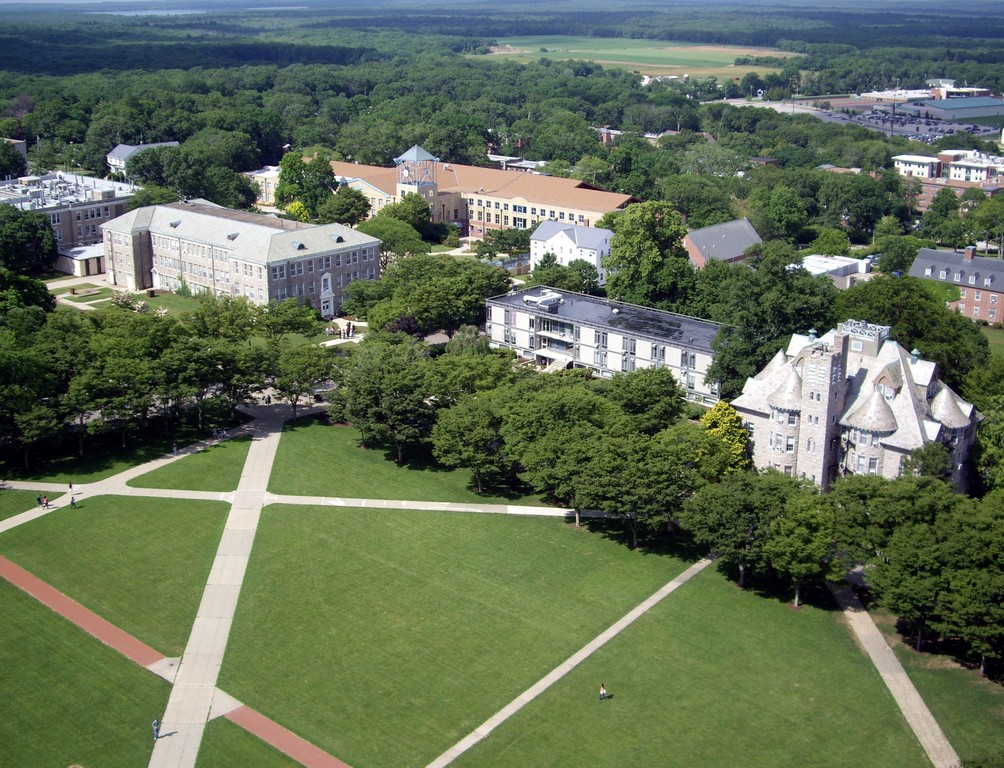
PROVIDENCE – A special legislative commission on Tuesday voted to recommend the establishment of the state's first public medical school at the University of Rhode Island.
The Senate commission was formed in July 2024 and charged with studying the state’s health care workforce and examining how a medical school at URI could help alleviate the need for primary care doctors.
"Rhode Island is deep in a primary care crisis, and one that is projected to get even worse in the next several years," said Sen. Pamela J. Lauria, D-Barrington, co-chairwoman of the commission. "We need to take decisive action to bring primary care providers here and make them want to stay. Enabling Rhode Island students to more affordably enter the primary care field is both feasible and necessary."
Lauria added that URI is “well-positioned to take this on, and establishing a medical school there will provide transformative benefits to primary care, health care overall and our state’s economy."
Rhode Island is expected to have a deficit of nearly 100 primary care providers by 2030, according to a report by The Robert Graham Center. As of 2018, about 44% of Rhode Island family physicians were over the age of 55 and nearing retirement age.
Rhode Island is also losing the new physicians it trains to other states.
Launching the school would cost more than $200 million, according to a draft report compiled by the Tripp Umbach firm that was presented to a Senate commission in May.
The new academic building would have capital costs totaling approximately $125 million.
In addition to the annual commitment from the state, total funding over 10 years should include $20 million in seed funding from community and university foundations; $40 million in private donations; $30 million in initial startup funding from the state; and $60 million in matching funds from private donors or health systems.
With the first class enrolled in 2029, it is estimated that within three years of operation, the medical school could achieve financial stability, generating an economic impact of $196 million annually, supporting approximately 1,334 jobs and contributing around $4.5 million in annual state and local tax revenues.
“As the state’s flagship public research university, URI is committed to addressing the pressing challenges facing our state," said URI President Marc B. Parlange, who also co-chairs the commission. "Establishing a medical school at URI ... would help address Rhode Island’s primary care shortage while strengthening our state’s economy."
The commission is proposing the establishment of a Primary Care Commission tasked with spearheading these initiatives and calls for the development of a scholarship program linked to a minimum five-year obligation to local primary care practice, “consideration of other incentives, and the expansion of several existing programs for residencies and student loan repayment.”
A report from the legislative commission to the R.I. Senate did raise some concerns about whether Rhode Island's existing clinical training infrastructure can accommodate added medical students and residency programs, and whether a new medical school would effectively increase the number of primary care physicians given national trends.
"I look forward to working closely with our elected leaders as URI continues to serve as a key partner in addressing our state’s most pressing public health challenges," Parlange said.
Christopher Allen is a PBN staff writer. You may contact him at Allen@PBN.com.