WASHINGTON – The Kaiser Family Foundation last week issued new analyses of Medicare Part D program data from the federal government that show average weighted premiums rose from 2007 to 2008, cost-sharing has increased, especially for higher-cost drugs, and almost all subscribers continue to be in plans with a “doughnut hole.”
The reports, available for download at www.kff.org, show more than 25 million Medicare beneficiaries are now enrolled in Part D plans, which provide prescription drug coverage. Of those, 17.4 million are in stand-alone plans, and 8 million are in Medicare Advantage – managed care – plans that include drug coverage.
There are about 1,824 stand-alone Part D plans nationwide, about a quarter of them designed to be available at zero cost to low-income beneficiaries. The number of choices available to each beneficiary varies, from a low of 47 in Alaska to a high of 63 in Pennsylvania and West Virginia. In Rhode Island and Massachusetts, Medicare figures show, 51 plans are available.
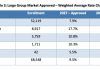
Monthly premiums vary widely, the reports show, and those that offer coverage during the gap are typically twice as expensive. And premiums have been rising: The weighted average premium for stand-alone Part D coverage rose from $25.93 per month in 2006 to $27.39 in 2007. And if all enrollees stayed with their existing plans in 2008, they would see premiums rise 17 percent to $31.99, with nearly one in five enrollees experiencing a monthly increase of at least $10.05.
But Rhode Island-specific materials provided by the Centers for Medicare and Medicaid Services stress that 99.4 percent of local Part D enrollees could switch to a plan with a lower premium in 2008 than they had in 2007. This year’s stand-alone plan premiums in Rhode Island start at $14.60, with the cheapest plan with generic-drug coverage in the “doughnut hole” priced at $41.70 per month.
The Kaiser analysis also shows in 2008, a majority of Part D plans have that gap in drug coverage, which this year begins after $2,510 in costs incurred. (The coverage gap does not apply to enrollees receiving low-income subsidies, who receive coverage for drug costs in the gap regardless of whether their plan offers it).
Kaiser’s reports also show formulary coverage of drugs has remained relatively stable since 2006, but average cost-sharing amounts have increased for both brand-name and generic drugs, particularly for brand-name drugs that plans list as “non-preferred.”
In addition, more and more stand-alone drug plans are using specialty tiers for high-cost drugs, with cost-sharing between 25 percent and 33 percent on that tier.
Home Industries Financial Services Medicare Part D premiums rise slightly, <br>cost-sharing increases


No posts to display
Sign in
Welcome! Log into your account
Forgot your password? Get help
Privacy Policy
Password recovery
Recover your password
A password will be e-mailed to you.
- Featured Event -