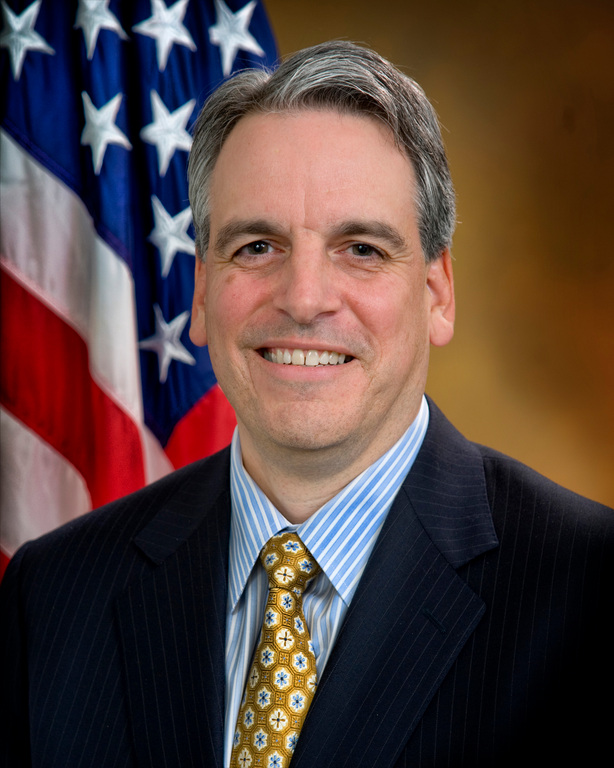
PROVIDENCE – R.I. Attorney General Peter F. Neronha and the R.I. Department of Education on Monday issued new guidance with school officials across the state on safeguarding schoolchildren’s rights regardless of nationality or immigration status.
This new guidance comes on the heels of President Donald Trump signing multiple executive orders soon after entering office to halt all illegal immigration into the U.S. and deporting those who already entered the country illegally, including those with criminal backgrounds. Since Jan. 23, the U.S. Immigration and Customs Enforcement has made 2,373 arrests, with 1,797 detainers lodged, according to ICE’s data.
Rhode Island and its capital city eight years ago declared themselves as sanctuary to immigrants.
Neronha’s office says governing law prohibits immigration enforcement officers from accessing “non-public” school areas, including classrooms and hallways, without a warrant issued by a federal district or magistrate judge “based on a finding of probable cause.” Schools can prohibit all unauthorized visitors, including federal law enforcement, Neronha’s office says, without a warrant from entering school property except for a “genuine public safety emergency.”
Also, Neronha’s office says schools must implement safety protocols to ensure that only authorized individuals are allowed access to non-public areas of the school, per state law.
“School officials should always act in a manner that promotes the safety and security of their students and school personnel. School officials should not interfere or obstruct law enforcement officials in the lawful exercise of their authority,” Neronha said in a statement. “Should federal immigration authorities seek to carry out enforcement actions on school grounds, they must do so in conformance with the requirements of the Fourth Amendment and other federal and state laws.”
Students in Rhode Island regardless of their or their family’s immigration status are entitled to enroll in a public school without discrimination, Neronha’s office says. Neronha says the federal Family Educational Rights and Privacy Act and the Rhode Island Educational Records Bill of Rights generally prohibit disclosure of student educational records and “instead provide limited access for specific purposes.”
Schools, Neronha’s office says, cannot disclose information to third parties, federal immigration authorities notwithstanding, unless doing so is authorized by FERPA which generally requires a court order, judicial warrant or “valid subpoena.” Schools are also to review with legal attorneys any information requests they receive from ICE officials, Neronha says.
Neronha also says additional guidance questions should be referred to his office by calling 401-274-4400. The guidance can be read
in full here.
James Bessette is the PBN special projects editor, and also covers the nonprofit and education sectors. You may reach him at Bessette@PBN.com. You may also follow him on X at @James_Bessette.