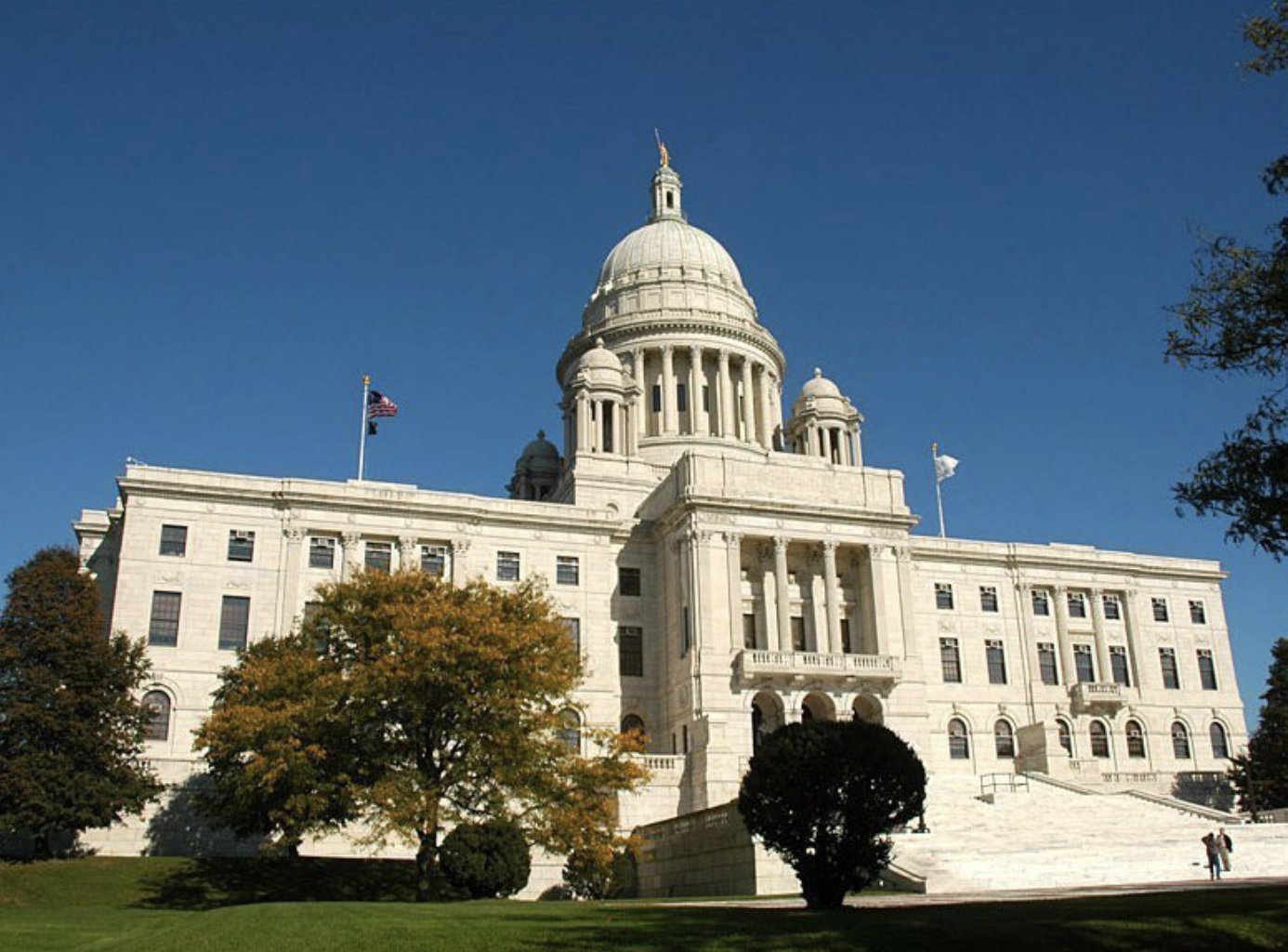
PROVIDENCE – The Rhode Island House and Senate met last week to pass an overdue budget, but each gathered in-person in off-site locations outside of the Statehouse.
While the House met at the Veterans Memorial Auditorium Dec. 9, the same venue which Gov. Gina M. Raimondo has held her weekly coronavirus briefings since the beginning months of the pandemic. The Senate rented out Sapinsley Hall at Rhode Island College, which is the same space the Senate plans to convene into the new year, which comes with a hefty price tag.
Building a Strong Data Foundation in the Age of AI
Artificial intelligence (AI) has become a key priority in the boardroom and across management —…
Learn More
According to RIC’s rental agreement, which was recently obtained by Providence Business News, the total anticipated charges for the Senate to hold session through June 30 at Sapinsley Hall will total $523,827.83.
According to Greg Pare, the spokesman for Senate leadership, Senate sessions will convene in January at RIC until it is safe to return to the Statehouse, in order to properly social distance senators. He said the auditorium provides greater spacing and air filtration than is available at the Statehouse.
House leadership spokesman Larry Berman said Speaker-elect K. Joseph Shekarchi, D-Warwick, will likely rent out the Veterans Memorial Auditorium. However, he could not yet provide the cost of the auditorium for the House to convene in until a contract is drawn up.
“Meeting in person enables us to unambiguously comply with the requirements of convening set forth in the state constitution,” said Pare. “The Senate changed its rules this spring to allow for proxy voting so all senators do not need to be there in person.”
Senate committee meetings will be remote.
Rent costs for the facility alone are more than $98,000, even with a 66% state agency discount, for the next 28 weeks.
Technical and facility staffing will cost nearly $100,000 over the course of 28 weeks, while catering snacks and meals for 58 people through June will be more than $66,800. Pare said the total for catering costs is likely to change, as that accounts for food provided every single day.
During the 2019 legislative year, the Senate spent $46,088.03 on catering alone, according to Pare.
Facilities services, such as housekeeping and COVID-19 mitigation costs will cost almost $120,000.
“The high-quality HVAC system utilizes Merv-13 rated filters, which are recommended by the U.S. Environmental Protection Agency for their efficiency in removing viruses from circulation,” said Pare. “The entire facility will be disinfected and fogged each evening after the Senate meets.”
Pare said Senate President Dominick R. Ruggerio, D-Providence, toured a number of state-owned facilities before he decided in consultation with the Senate leadership tea to utilize Sapinsley Hall. Pare said Ruggerio wanted to use a state-owned facility because it is the most efficient use of taxpayer dollars.
The Senate had intended to meet at the Rhode Island Convention Center in Providence, but the facility is currently being used as a field hospital for the overflow of COVID-19 patients within hospitals owned by Lifespan Corp.
“There is [enough] space in the large hall to space the senators a good distance apart,” said Pare. “The auditorium has been inspected by officials from the Rhode Island Department of Health, who assisted in seating layout and instituting safety protocols to keep everyone safe.”
Many other states are still ironing out their plans on how to hold sessions in the next legislative year. The Maryland State Senate released a three-tier operation plan last month, which included half of the senators meeting virtually while the other half would be separated in the Statehouse. The last resort would be to pause work until it was determined that lawmakers could return to work.
Connecticut legislators announced recently they will hold virtual meetings for the 2021 session to limit face-to-face interactions.
The R.I. House has not enacted rules enabling its members to vote remotely at this time, according to Berman. Shekarchi has indicated, after he is officially elected as speaker on Jan. 5, the first day of the next legislative session, that the House Rules Committee will examine the practical and legal implications of allowing remote voting in the next session.
Alexa Gagosz is a PBN staff writer. Contact her at Gagosz@PBN.com. You may also follow her on Twitter at @AlexaGagosz.