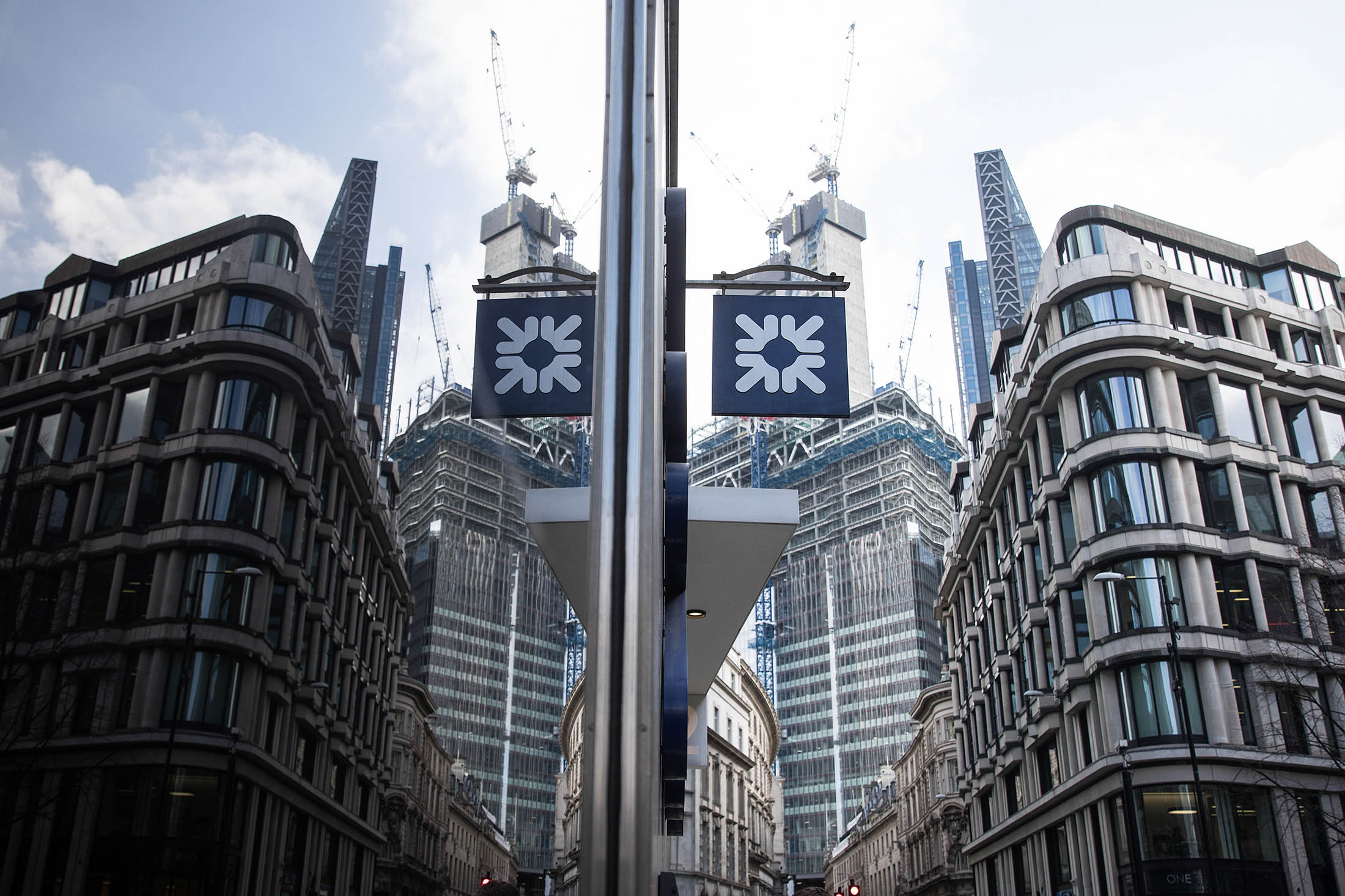
NEW YORK – Royal Bank of Scotland Group PLC agreed to pay $500 million to settle New York’s probe into its marketing of toxic mortgage-backed securities that triggered the financial crisis, moving the government-owned lender a step closer to resolving a series of costly U.S. investigations.
The deal boosts the bank’s U.S. settlement costs to $6 billion in less than a year for bundling dubious mortgages into top-rated securities and pitching them to investors in 2006 to 2008, before the housing bubble burst. In July, the lender agreed to pay $5.5 billion to the Federal Housing Finance Agency to resolve a parallel investigation.
A separate probe by the Justice Department is still pending. RBS shares fell 0.6 percent to 258.6 pence at 9:09 a.m. in London trading.
Rhode Island's Market Has Changed. Developers, Builders, Investors and Sellers Must Change With It.
By Emilio DiSpirito IV License Partner | Engel & Völkers Oceanside Leader | The DiSpirito…
Learn More
Edinburgh-based RBS, parent of Providence-based Citizens Financial Group at the time in question, will pay New York $100 million in cash and $400 million for residents who were hurt by the housing crash, New York Attorney General Eric Schneiderman said Tuesday in a statement. The deal boost’s New York’s mortgage-bond recoveries from a half dozen banks to $3.7 billion, he said.
JPMorgan Chase & Co. and Bank of America Corp. previously paid $1 billion and $800 million, respectively, to settle New York’s investigations into sales of residential mortgage-backed securities. Citigroup Inc., Morgan Stanley and Goldman Sachs Group Inc. also settled.
‘Heavy price’
“Settling these issues is a stark reminder of the heavy price we continue to pay for the global ambitions pursued by the bank in the run up to the crisis,” RBS CEO Ross McEwan said in a statement. “Putting our remaining legacy issues behind us is a key part of our strategy. I am pleased that we have reached this settlement.”
RBS issued and underwrote $32 billion of mortgage bonds in the United States before the financial crisis. When the bank settled with the FHFA last year, McEwan called it a “legacy matter” it was committed to resolving.
The bank still has exposure on the mortgage-bond issue. Federal prosecutors in Boston have investigated the bank and explored the possibility of bringing charges against individual employees. People familiar with the investigation told Bloomberg last year that a settlement was close, but that turnover among senior officials at the Justice Department could slow the process.
Under the New York deal, RBS admitted to selling investors mortgage bonds that were backed by loans that didn’t “materially comply with underwriting guidelines,” the attorney general said.
The bank’s own diligence vendors warned it that many of the loans it snapped up for securitization didn’t conform to underwriting guidelines as RBS told investors, according to the statement.
“Yet, RBS packaged and sold them anyway,” the attorney general said.
RBS was rescued by the U.K. government during the financial crisis in the biggest bank bailout in history.
“While the financial crisis may be behind us, New Yorkers are still feeling the effects of the housing crash,” Schneiderman said. “Home values plummeted. Vacant homes consumed neighborhoods. And for many New Yorkers, affordable housing fell out of reach.”
RBS’s deal with Schneiderman hinges on “significant community-level relief,” according to the statement. That includes money to spur the construction of more affordable housing, investment in land banks and the purchase of distressed properties to keep them out of the hands of predatory investors, the attorney general said.
Greg Farrell and Erik Larson are Bloomberg News staff writers.