PROVIDENCE – A Roger Williams University law professor has filed an ethics complaint against former House Speaker K. Joseph Shekarchi, accusing the lawmaker of violating the state’s revolving door prohibition that stipulates elected officials must wait one year before accepting a judicial position.
Shekarchi resigned his speakership Thursday to pursue the R.I. Supreme Court vacancy left by the retirement of Associate Justice Maureen McKenna Goldberg in March.
House members voted 65-10 to elevate former Majority Leader Christopher R. Blazejewski, D-Providence, as new House Speaker. Shekarchi said he will continue serving in the House.
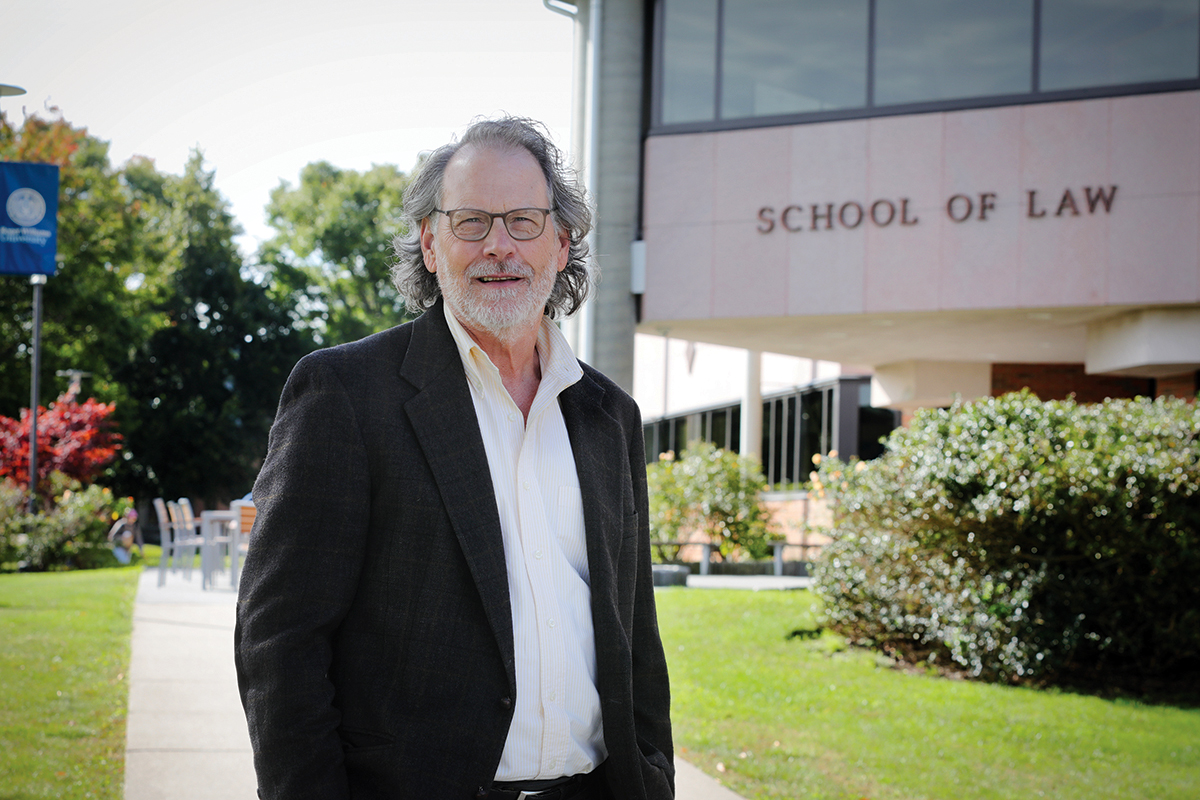
Minutes after Shekarchi officially stepped down as speaker and announced he had filed paperwork with the Judicial Nominating Commission, Michael J. Yelnosky, a professor and the former dean of Roger Williams University School of Law, filed the complaint with the Ethics Commission alleging that "doing so violates the code of ethics."
In a statement Friday, Shekarchi said he was "not surprised" about the complaint and plans to "deal with this through the legal process and not the media," choosing not to comment further “until this matter is adjudicated.”
Whether the revolving-door prohibition applies to appointments to the Supreme Court remains an open question. In 2020, the R.I. Ethics Commission rejected the advice of staff members and allowed then-state Sen. Erin Lynch Prata to pursue a vacancy on the R.I. Supreme Court. She was later nominated for the position by then-Gov. Gina M. Raimondo and confirmed by the Senate.
But the commission never directed the staff to submit a new advisory opinion in its place, "which is the standard practice," said John Marion Jr., executive director of Common Cause Rhode Island.
"The revolving door exists to prevent lawmakers from using their current position to obtain an advantage in state employment over other candidates," he said.
The complaint is expected to go before the Ethics Commission at its June 2 meeting for a preliminary review.
Yelnosky on Friday said when he learned Shekarchi has no intention to ask for an advisory opinion, he was concerned nobody else was going to file a complaint and “we just kicked the can down the road.”
“It's important to get a definitive ruling on what the law says," he said, adding that part of the reason the debate remains unsettled is that for years whether lawmakers believed they were bound by the one-year period provision or not, they opted not to test it.
“No sitting legislators were doing this,” he said.
Yelnosky said interpreting the law as applicable to the General Assembly wouldn't prevent Shekarchi from joining the Supreme Court.
“It's easy. Just resign and wait a year," he said. "That’s all you have to do.”
Christopher Allen is a PBN staff writer. You may contact him at Allen@PBN.com