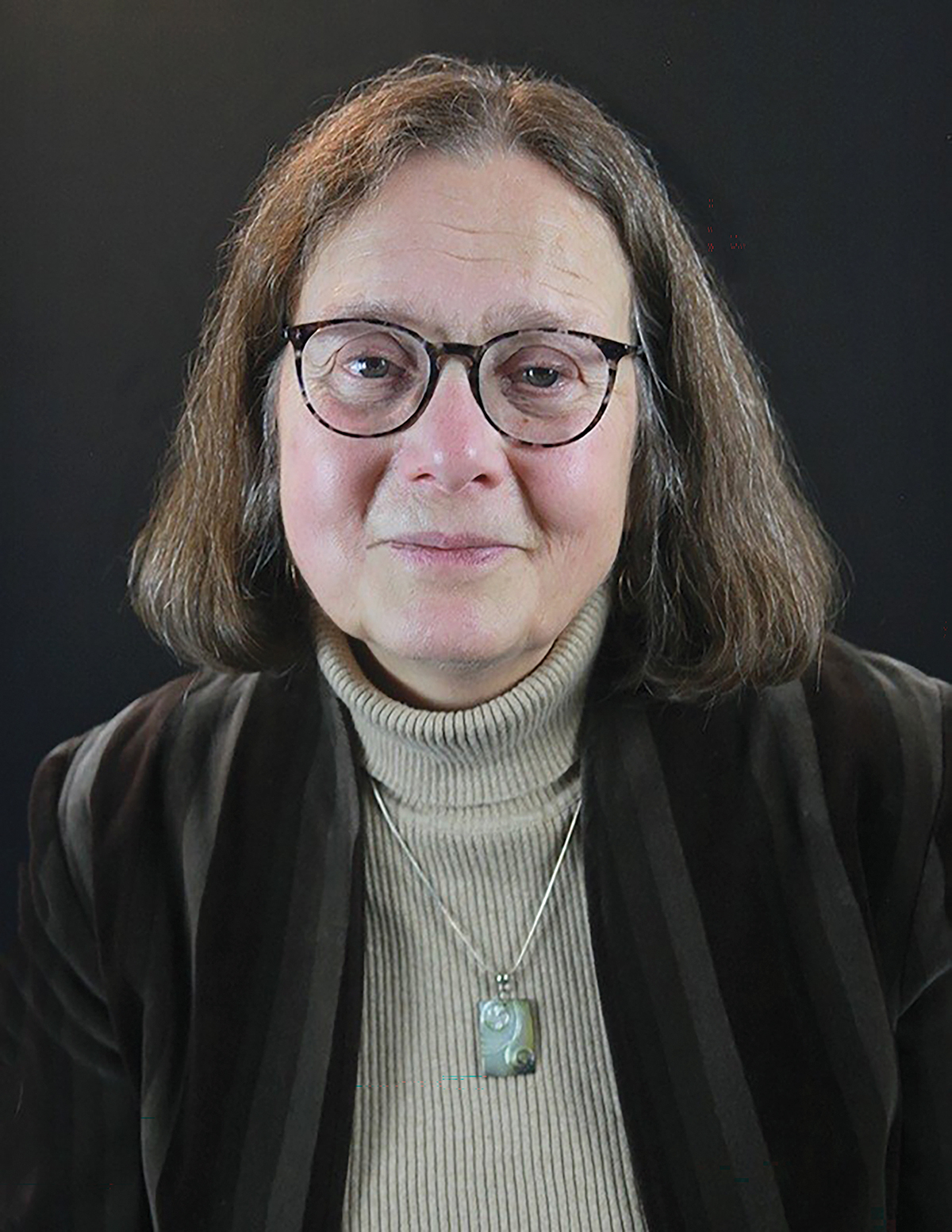
HOLLY SNYDER was honored in December by AARP, the nonprofit organization for people 50 and older, as the recipient of its 2025 AARP Rhode Island Andrus Award for Community Service – the organization’s most prestigious and visible state volunteer award for community service. Snyder has been the co-leader of AARP’s Livable Communities Volunteer Team and serves on its federal liaison team.
What are some of the primary goals of the Livable Communities team since you’ve been on it? How long have you been involved? Older Americans repeatedly state their desire to remain in their homes as they age and to continue participating in their communities. The overall aim for Livable Communities is to improve the experience of older adults who stay in their homes by helping their communities adapt to their needs. This work has multiple sectors, including both physical – health services, housing, transportation, outdoor spaces; and participatory – civic, social, informational, respect and inclusion – elements. My focus is on making improvements in transportation and housing.
What drew you to this work? I have been doing this work since 2022, when AARP was building capacity to engage in liability work. I moved to the West Side of Providence in 2014 and while there, I was inspired by the work of the West Broadway Neighborhood Association, which draws neighbors to work together and promotes cohesiveness and mutual aid through its activities. After I retired and had more flexibility with my time, I was looking for ways to give back to the community. I was an urban studies concentrator as an undergrad, so Livable Communities was a natural fit.
What are the biggest challenges facing age-friendly initiatives in the Providence area? At the local level, there are two principal challenges to our AARP age-friendly work. First, there is the ongoing social stigma about aging, which can lead people to dismiss as unimportant the issues that older adults face as they continue to age. That attitude can impede the search for solutions that might positively impact the entire community.
The second challenge is that building age-friendly communities requires some within the community to make a commitment to help guide the implementation of an age-friendly framework. That work requires energy and a willingness to engage, which aging adults often have in limited supply.
How have you approached this work differently than others? At AARP, staff and volunteers work together as a team to accomplish the goals in which we are invested. Everyone brings a different set of skills to the table and each of us is valuable to that common purpose in our own unique way. Our volunteer base here in Rhode Island includes individuals with experience in teaching, accounting, insurance, local government, city planning, management, writing, technology and many other fields. My contribution comprises research and information support skills that I honed in 18 years as an academic librarian at Brown University.